
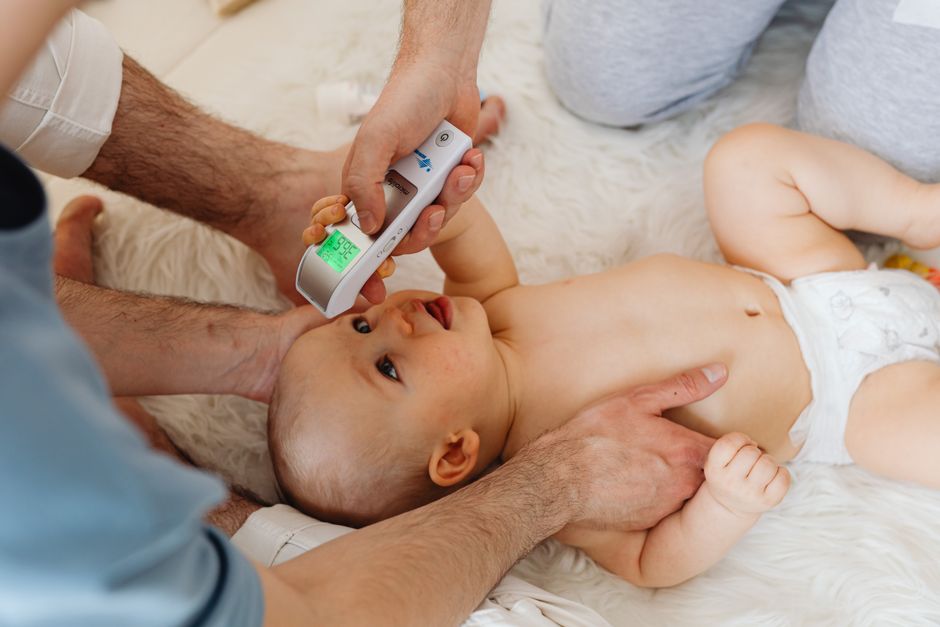
When your toddler has a fever, your first instinct is to make it go away as fast as possible. The fastest safe approach is to give the correct dose of acetaminophen (Tylenol) or ibuprofen (Motrin, Advil) based on their weight, not age. Remove extra layers of clothing, keep the room at a comfortable temperature (around 68-72°F), and offer small sips of fluids frequently. Fevers are the body’s natural way of fighting infection, and the goal is comfort, not a specific number on the thermometer. Most fevers in toddlers are caused by viral infections and will resolve on their own within 2 to 3 days.
What Is a Normal Fever in a Toddler?
A fever is a body temperature of 100.4°F (38°C) or higher when taken rectally, which is the most accurate method for toddlers. Under the arm (axillary) or in the ear readings can be useful but are less reliable. A temperature between 99°F and 100.3°F is considered elevated but not a true fever.
Fevers are not dangerous on their own until they reach 104°F or higher, and even then the risk of harm is very low unless the child has a pre-existing condition. Research published in the journal Pediatrics confirms that fevers from infections rarely cause brain damage — that myth comes from rare cases of heatstroke, not illness-related fevers.
The American Academy of Pediatrics (AAP) advises that treating a fever is about making your child comfortable, not erasing the fever. If your toddler is playing, drinking, and acting fairly normal, you may not need to give medication at all.
How To Get Rid Of A Fever In A Toddler Fast: What Actually Works
If your toddler is uncomfortable, the fastest relief comes from weight-based dosing of fever-reducing medication. Acetaminophen can be given every 4 to 6 hours, and ibuprofen every 6 to 8 hours. Ibuprofen tends to lower fever slightly more and lasts longer, but it should not be given to infants under 6 months or children who are dehydrated or vomiting.
Always use the dosing syringe that comes with the medication, not a kitchen spoon. Check the concentration on the bottle — infant and children’s formulas are different. The correct dose is based on your child’s current weight in pounds or kilograms, not their age. If you do not know the weight, use a scale at home or call your pediatrician.
Other fast-acting comfort measures include a lukewarm bath (not cold — cold water causes shivering which raises body temperature), light clothing, and a cool compress on the forehead. Do not use rubbing alcohol or ice baths. These outdated methods can cause the fever to spike higher and are dangerous.
When Should You Worry About a Toddler Fever?
Most fevers are harmless, but there are clear warning signs that need medical attention. Call your pediatrician immediately if your toddler is younger than 3 months with a rectal temperature of 100.4°F or higher. For children 3 months to 3 years, seek care if the fever reaches 102.2°F or higher and lasts more than 24 hours without other symptoms.
Go to the emergency room if your toddler has a fever plus any of these: difficulty breathing, a stiff neck, a rash that does not fade when pressed, severe headache, persistent vomiting or diarrhea, signs of dehydration (no tears, dry mouth, no urine for 6-8 hours), or a seizure. Febrile seizures look scary but are usually brief and do not cause brain damage. The CDC reports that about 2% to 5% of children have a febrile seizure at some point.
Trust your gut. If your toddler looks very sick — limp, confused, or unusually irritable — do not wait. Go to the ER.





What NOT to Do When Your Toddler Has a Fever
Many viral health myths circulate about fever treatment. Here is what the evidence says to avoid:
- Do not alternate acetaminophen and ibuprofen unless your pediatrician specifically instructs you to. Alternating increases the risk of dosing errors and accidental overdose. Stick with one medication.
- Do not use aspirin in children under 19. It can cause Reye’s syndrome, a rare but serious condition that affects the liver and brain.
- Do not give ibuprofen to a dehydrated child. It can stress the kidneys. If your toddler has not urinated in 6 hours or has dry lips, use acetaminophen instead.
- Do not force your child to eat. Loss of appetite is normal during illness. Focus on fluids — breast milk, formula, water, or electrolyte solutions like Pedialyte.
- Do not overdress or wrap your child in blankets. This traps heat and makes the fever worse. One light layer of clothing is sufficient.
The FDA warns that combination cold and fever medicines for children under 4 are not recommended. They often contain multiple active ingredients that can lead to accidental overdose.
How to Manage Fever at Home Without Panic
When your toddler wakes up at 2 a.m. with a fever of 102°F, the first step is to stay calm. A fever is a sign that the immune system is working. The body raises its temperature to make it harder for viruses and bacteria to survive.
Focus on hydration. Offer small amounts of fluid every 10 to 15 minutes. If your toddler refuses to drink, try popsicles, ice chips, or a spoonful of gelatin. The AAP notes that dehydration is the most common complication of fever in young children, not the fever itself.
Monitor the fever every 4 to 6 hours if your child is sleeping comfortably, you do not need to wake them to take a temperature or give medication. Sleep is more important. If they are awake and uncomfortable, the medication will help them rest.
| Age | When to Call Doctor | When to Go to ER |
|---|---|---|
| Under 3 months | 100.4°F or higher (rectal) | Any fever — go immediately |
| 3–6 months | 102°F or higher | Fever plus lethargy or breathing trouble |
| 6–24 months | 102°F lasting more than 24 hours | Fever plus seizure or dehydration |
| 2 years and older | 104°F or fever lasting 3+ days | Fever plus stiff neck or rash |
Common Misconceptions About Toddler Fevers
One persistent myth is that fevers must be treated with medication to prevent brain damage. As noted earlier, fevers from infections almost never cause brain damage. The danger comes from heatstroke, which is when the body overheats from external factors like being left in a hot car — not from a viral fever.
Another misconception is that the number on the thermometer tells you how sick your child is. Research shows that a child’s behavior — how they play, interact, and respond — is a better indicator of illness severity than the temperature reading. A toddler with a 103°F fever who is running around likely has a mild viral illness. A toddler with a 101°F fever who is limp and unresponsive needs emergency care.
Some parents believe that teething causes high fevers. The evidence does not support this. Teething can cause a slight rise in temperature (under 100.4°F) but not a true fever. If your toddler has a fever of 101°F or higher, it is from an infection, not a new tooth.
Frequently Asked Questions
Can I give my toddler Tylenol and Motrin together?
No, you should not alternate or combine them unless your pediatrician tells you to. This increases the risk of dosing mistakes.
How long does a fever last in toddlers?
Most viral fevers last 2 to 3 days. If the fever lasts longer than 3 days or goes away and returns, call your doctor.
Should I let my toddler sleep with a fever?
Yes, sleep helps the immune system fight infection. Do not wake them to give medication unless they are uncomfortable or in pain.
Is a fever of 104°F dangerous for a toddler?
It is high but rarely dangerous on its own. Watch for signs of serious illness like trouble breathing or confusion and call your doctor.
