
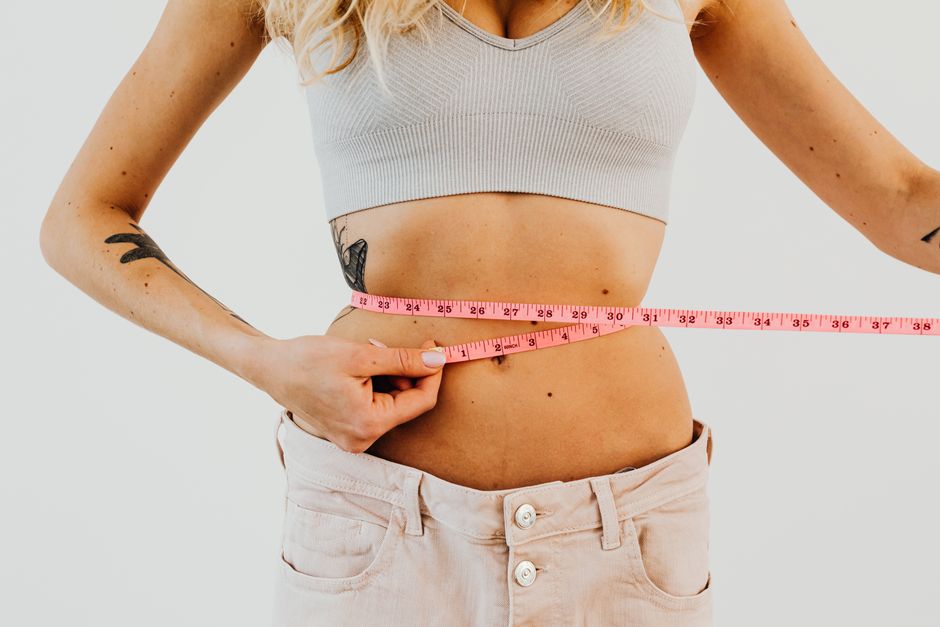
Loose skin after weight loss happens when skin stretches beyond its ability to snap back. The real question is how much you can do about it. The honest answer: you can reduce the severity, but you cannot fully prevent it in every case. The two factors that matter most are how fast you lose weight and how much weight you lose total. Slower weight loss and building muscle while you lose fat give your skin the best chance to tighten on its own.
Why Does Loose Skin Happen After Weight Loss?
Skin is elastic, but it has limits. When you gain weight, your skin stretches to cover the larger surface area. Collagen and elastin fibers in the skin stretch along with it. Over time, those fibers can become damaged, much like a rubber band that has been stretched too far for too long.
When you lose weight, your body removes the fat underneath the skin. The skin is then left with more surface area than it needs. Whether that skin shrinks back depends on your age, genetics, how long the skin was stretched, and how much weight you lost.
Age matters more than most people realize. Younger skin produces collagen at a higher rate. After age 30, collagen production naturally declines by about 1 percent each year. This is why a 25-year-old who loses 100 pounds often has less loose skin than a 50-year-old who loses the same amount.
How Fast Should You Lose Weight to Protect Your Skin?
Slow weight loss gives skin time to adapt. When you lose weight gradually, your skin has a chance to shrink at a similar pace. Rapid weight loss does not give the skin that time.
Most medical guidelines recommend losing 1 to 2 pounds per week. This pace is considered safe and sustainable for most people. It also appears to be the pace most compatible with skin retraction, though the research on this specific connection is limited.
Very rapid weight loss, such as after bariatric surgery, frequently results in more loose skin. The skin simply cannot keep up with how quickly the fat disappears. If you are losing weight quickly, you cannot fully prevent loose skin. You can only manage how it looks and feels.
Does Building Muscle Really Help Prevent Loose Skin?
Building muscle is the most effective strategy you can control. Muscle fills space. When you lose fat and build muscle underneath the skin, the muscle takes up some of the volume the fat left behind. This reduces the appearance of loose skin even if the skin itself has not fully tightened.
Strength training at least two to three times per week is the standard recommendation. Focus on major muscle groups: legs, back, chest, and arms. Compound movements like squats, deadlifts, push-ups, and rows recruit the most muscle tissue and give you the most visible benefit.
This strategy works best while you are still losing weight. If you lose weight without strength training, you lose muscle along with fat. This is called sarcopenic obesity, and it leaves you with less muscle tone and more visible loose skin. Resistance training helps preserve lean mass during a calorie deficit.
-
 How to Avoid Sagging Skin with Weight Loss? What Actually Works
 -
How to Prevent Sagging Skin During Weight Loss? What You Need to Know
-
Is a 20 Pound Weight Loss Noticeable? What’s Actually True
-
Does Peppermint Tea Aid Weight Loss? What’s Actually True
-
Nagano Lean Body Tonic Reviews: Is It Worth? [DETAILS INSIDE]





What Role Does Nutrition Play in Skin Elasticity?
Nutrition supports the structure of your skin, but it cannot reverse damage already done. Adequate protein is the most important nutrient because it provides the building blocks for collagen and elastin. Most guidelines suggest 0.7 to 1 gram of protein per pound of body weight for people actively losing weight and strength training.
Vitamin C is also essential. Your body needs it to synthesize collagen. Citrus fruits, bell peppers, broccoli, and strawberries are reliable sources. A deficiency in vitamin C impairs collagen production, but taking extra beyond what your body needs does not create more collagen.
Zinc and copper are trace minerals involved in skin repair. They are found in meat, shellfish, nuts, and legumes. Most people get enough from a balanced diet, and there is no strong evidence that supplemental doses improve skin elasticity beyond normal levels.
Hydration matters too. Dehydrated skin appears less plump and elastic. Drinking water does not directly tighten loose skin, but well-hydrated skin looks better and may be slightly more resilient.
Do Skin Creams and Lotions Actually Work?
Most skin creams do not do what they claim. Collagen creams cannot add collagen to your skin because collagen molecules are too large to penetrate the skin barrier. The same applies to most elastin creams.
Moisturizers can improve the appearance of loose skin temporarily. Hydrated skin is plumper and reflects light better, which makes texture less noticeable. This is a cosmetic effect, not a structural one. The skin is not tighter; it just looks better.
Some creams contain retinoids, which are vitamin A derivatives. Topical retinoids can stimulate collagen production in the skin over time. Prescription-strength tretinoin has the strongest evidence for improving skin texture and elasticity. Over-the-counter retinol is weaker but may offer modest benefits with consistent use over several months.
No cream has been shown to significantly tighten loose skin after substantial weight loss. If a product promises dramatic tightening, treat that claim with skepticism.
When Does Loose Skin Tighten on Its Own?
Skin continues to tighten for up to 12 to 24 months after weight loss stabilizes. The first six months show the most visible improvement. After that, changes slow down considerably.
The degree of natural tightening depends heavily on how much weight was lost. People who lose 50 pounds or less often see their skin return to near-normal. People who lose 100 pounds or more frequently have permanent loose skin regardless of their efforts.
Age at the time of weight loss is also a major factor. Skin in your 20s and 30s retains more elasticity than skin in your 50s and 60s. This is not a lifestyle choice; it is biology.
Are There Medical Options for Loose Skin?
For significant loose skin, surgery is the only option that physically removes excess skin. Procedures like abdominoplasty (tummy tuck), arm lift, and thigh lift excise the extra skin and tighten the remaining tissue. These are major surgeries with real risks, including scarring, infection, and blood clots.
Non-surgical options exist but have limited evidence. Radiofrequency treatments and ultrasound therapy are sometimes marketed for skin tightening. Some studies show modest improvements in skin laxity, but the results are far less dramatic than surgery. These treatments are not covered by insurance and can be expensive.
Insurance rarely covers skin removal surgery after weight loss unless the skin causes medical problems. Skin infections, rashes, or functional impairment may qualify. Cosmetic reasons alone usually do not.
What Realistic Expectations Should You Have?
Preventing loose skin entirely is not realistic for large weight losses. Reducing its severity is realistic. The combination of slow weight loss, strength training, adequate protein, and consistent skin care gives you the best possible outcome.
Some people are genetically predisposed to better skin elasticity. Others are not. You cannot change your genetics, and no amount of effort fully overrides them.
If you are losing weight for health reasons, keep perspective. The health benefits of weight loss far outweigh the cosmetic downside of loose skin. Improved blood pressure, better blood sugar control, reduced joint pain, and lower cardiovascular risk matter more than skin appearance.
Frequently Asked Questions
How much weight loss causes loose skin?
There is no exact threshold, but loose skin becomes more likely with losses of 50 pounds or more. Smaller losses of 20 to 30 pounds rarely cause significant loose skin.
Can you tighten loose skin without surgery?
Building muscle and losing weight slowly can reduce the appearance of loose skin, but they cannot fully tighten skin that has been stretched significantly. Surgery is the only method that physically removes excess skin.
How long does skin take to tighten after weight loss?
Most visible tightening happens within the first six months after weight stabilizes. Skin can continue to improve for up to 24 months, though changes slow considerably after the first year.
Does drinking water prevent loose skin?
Drinking water improves skin hydration and appearance but does not prevent loose skin. Hydration affects skin plumpness, not the structural integrity of collagen and elastin fibers.
