
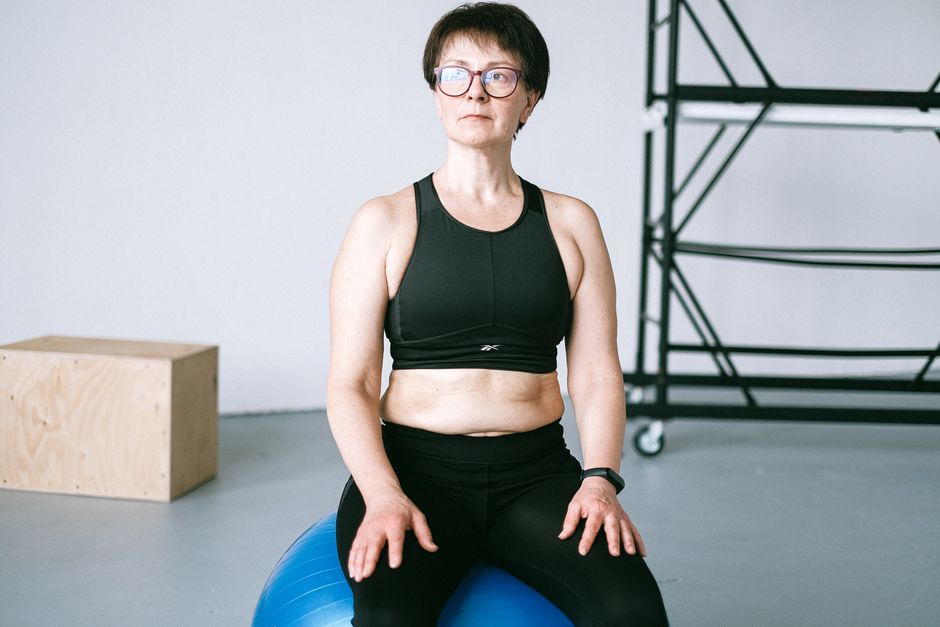
The short answer is no. Core exercises alone will not flatten your stomach. A flat stomach depends mostly on your body fat percentage, which is influenced by diet and overall physical activity, not by how many crunches you do. Core training strengthens the muscles beneath the fat, but it cannot spot-reduce the layer of fat covering them.
Why Spot Reduction Is a Myth
Spot reduction is the idea that exercising a specific body part burns fat in that exact area. Research has consistently shown this does not work. When you exercise, your body draws energy from fat stores throughout your entire body, not just from the muscles you are working.
Your genetics largely determine where fat is stored and where it is lost first. For many people, belly fat is the last to go. You cannot override that pattern with abdominal exercises. Doing thousands of sit-ups will strengthen your core, but it will not selectively remove belly fat.
What Core Exercises Actually Do
Core exercises strengthen the muscles of your abdomen, lower back, hips, and pelvis. These muscles include the rectus abdominis (the six-pack muscle), the obliques (side waist muscles), and the transversus abdominis (a deep muscle that wraps around your torso like a corset).
Strong core muscles improve posture, balance, and stability. They help protect your lower back during daily activities and athletic movements. A stronger core can also make your midsection appear slightly firmer because the muscles underneath are more toned.
However, if a layer of body fat covers these muscles, they will not be visible. A well-developed core hidden under excess fat will not look flat. The visual result you are looking for depends on reducing overall body fat, not just strengthening muscle.
Body Fat Percentage Matters More Than Muscle Strength
For most people, visible abdominal definition requires a relatively low body fat percentage. For men, abdominal muscles typically become visible around 10-15% body fat. For women, they usually become visible around 15-20% body fat. These are general ranges and individual variation exists.
Most adults carry more body fat than these ranges. This is not a judgment, just a physiological reality. If your body fat percentage is above these levels, no amount of core work will produce visible definition. The muscles are there and may be strong, but they are covered.
Body fat percentage is influenced primarily by total calorie balance. To lose fat, you need to consume fewer calories than your body burns. This is true regardless of where the fat is located. Core exercises burn relatively few calories compared to full-body movement, so they contribute minimally to fat loss.





What Actually Reduces Belly Fat
Reducing belly fat requires a combination of a calorie deficit and regular physical activity. A calorie deficit means eating fewer calories than your body uses each day. This can come from eating less, moving more, or both.
Full-body exercises burn more calories than isolated core work. Activities like brisk walking, running, cycling, swimming, or strength training with large muscle groups all contribute to total daily energy expenditure. The more calories you burn, the easier it is to maintain a deficit.
Diet quality matters as well. Diets rich in vegetables, fruits, lean proteins, and whole grains tend to support weight management better than diets high in processed foods and added sugars. Protein is particularly important because it helps preserve muscle mass while you lose fat.
Sleep and stress also play a role. Chronic poor sleep and high stress levels are associated with increased abdominal fat. This connection involves hormones like cortisol, which can promote fat storage in the midsection when chronically elevated.
Core Exercises Still Matter — Just Not for the Reason You Think
Core exercises are worth doing, but for functional reasons rather than cosmetic ones. A strong core improves how you move, how you stand, and how your back feels. It supports nearly every physical activity you do, from carrying groceries to playing with your kids.
Some research suggests that certain core exercises, like planks, activate deep abdominal muscles more effectively than traditional crunches. This is useful for building stability, but it does not change the fat-loss equation. The muscle activation is real, but it does not directly reduce fat.
If you enjoy core work, keep doing it. Include it as part of a balanced routine. Just do not expect it to be the primary driver of a flatter stomach. That job belongs to your overall nutrition and activity level.
A Realistic Plan for a Flatter Stomach
A realistic approach combines several elements. First, establish a modest calorie deficit through diet changes. You do not need to be extreme. Reducing portion sizes, cutting sugary drinks, and eating more protein and fiber are practical starting points.
Second, add regular full-body physical activity. Aim for at least 150 minutes of moderate-intensity aerobic activity per week, which is a common public health recommendation. Add strength training two to three days per week to preserve muscle mass.
Third, include core exercises two to three times per week. Planks, bird dogs, dead bugs, and glute bridges are effective choices. These exercises build the deep muscles that support your spine and improve posture.
Finally, be patient. Fat loss is slow for most people. A sustainable rate is about one to two pounds per week. Visible changes in your midsection may take several months. Consistency matters far more than intensity.
When a Protruding Stomach Is Not Fat
Sometimes a protruding stomach is not primarily fat. Posture plays a significant role. Anterior pelvic tilt, where the front of the pelvis drops and the lower back arches excessively, can make the stomach appear larger. This posture is common in people who sit for long hours.
Core strengthening, particularly of the deep abdominal muscles, can help correct this posture. So can stretching the hip flexors and strengthening the glutes. If your stomach protrudes mainly because of posture, core work might genuinely flatten it.
Bloating can also make the stomach appear larger temporarily. Food intolerances, eating too quickly, or consuming carbonated drinks can cause bloating. This is not fat and cannot be fixed by exercise. Identifying trigger foods and eating slowly may help.
In rare cases, a protruding abdomen can signal a medical issue. If you experience pain, rapid changes in abdominal size, or other concerning symptoms, consult a healthcare provider. Do not assume exercise will fix a medical problem.
What the Research Shows
Multiple studies have examined whether abdominal exercises reduce belly fat. The findings are consistent: they do not. One study commonly cited in this area compared people who did abdominal exercises to those who did not. Both groups lost the same amount of belly fat, and the exercise group did not show targeted fat loss.
Some research suggests that high-intensity interval training (HIIT) may be more effective at reducing abdominal fat than steady-state cardio. The evidence is not definitive, but HIIT is a reasonable addition to a routine. It involves short bursts of intense effort followed by rest periods.
Overall, the scientific consensus is clear. Fat loss is systemic, not local. You cannot choose where your body loses fat. Core exercises have many benefits, but flattening your stomach is not among the proven ones.
Marketing Claims vs. Reality
Many fitness products claim to target belly fat. Ab belts, vibrating platforms, and specialized gadgets are sold with promises of spot reduction. No clinical evidence supports these claims. These products may stimulate muscles, but they do not reduce fat in that area.
Some programs promise “flat abs in 30 days” or similar timelines. These claims are not supported by evidence. Fat loss takes time, and individual results vary widely based on starting point, genetics, and adherence.
Be skeptical of any product or program that promises to flatten your stomach without addressing overall body fat. If it sounds too good to be true, it probably is. The real path is less glamorous but more reliable: consistent calorie management and regular physical activity.
Frequently Asked Questions
Can core exercises alone give me a flat stomach?
No, core exercises alone cannot flatten your stomach. Reducing overall body fat through diet and full-body exercise is what makes your midsection appear flatter.
How long does it take to see results from core exercises?
You may feel stronger within a few weeks, but visible changes take months. Visible results require fat loss, which typically happens at a rate of one to two pounds per week.
Are planks better than crunches for a flat stomach?
Planks activate deep core muscles more effectively than crunches, but neither will reduce belly fat. Choose the exercise you can do consistently and with good form.
What is the fastest way to flatten my stomach?
There is no fast way. A modest calorie deficit combined with regular aerobic exercise and strength training is the most reliable approach. Quick fixes do not produce lasting results.
