
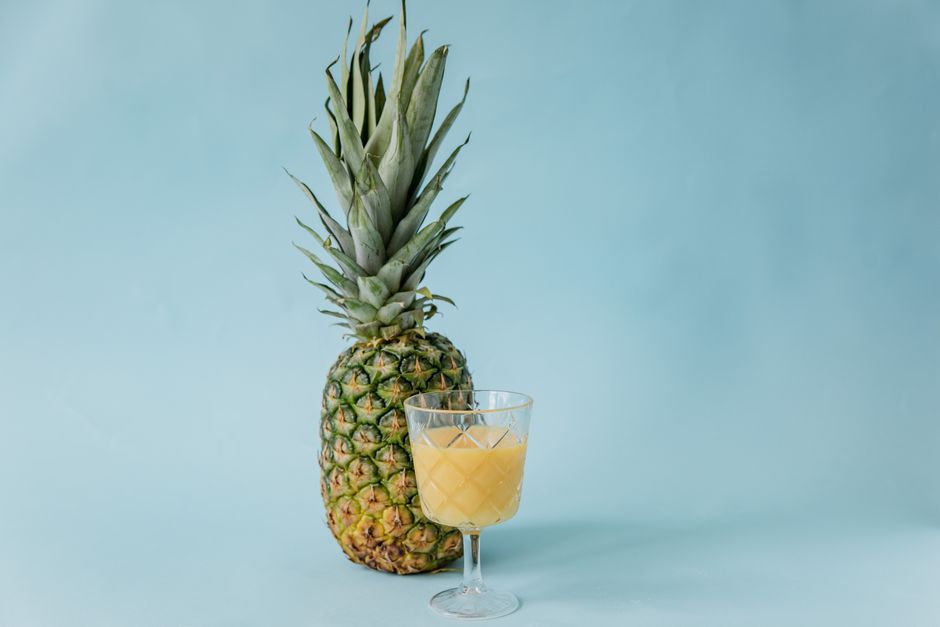
Many people ask if pineapple juice can help with constipation or make you poop. The short answer is yes, it can help some people. Pineapple contains an enzyme called bromelain and offers fiber and water, all of which may support regular bowel movements. But it is not a strong laxative, and the evidence is not as dramatic as some online claims suggest.
How Does Pineapple Juice Affect Digestion?
Pineapple juice affects your digestive system in a few ways. The fruit contains bromelain, a group of enzymes that break down proteins. Some research suggests bromelain may help reduce inflammation in the gut and support digestion.
Pineapple juice also provides water and a small amount of fiber. One cup of pineapple juice has about 0.5 grams of fiber. That is not a lot compared to whole fruits. But the water content can help soften stool if you are dehydrated.
The natural sugars in pineapple juice can also draw water into the colon. This is a mild osmotic effect. For some people, this gentle pull of water can trigger a bowel movement within a few hours.
What Does Research on Pineapple Juice and Bowel Movements Show?
Research on pineapple juice specifically for constipation is limited. Most studies have focused on bromelain supplements, not the juice itself. A 2016 review published in Biomedical Reports found that bromelain has anti-inflammatory properties that may help with digestive conditions like colitis. But the review did not test pineapple juice for constipation relief.
A small study from 2019 looked at children with functional constipation. Researchers gave them a pineapple extract supplement for four weeks. The study found improvements in stool frequency and consistency. But this was a supplement with concentrated bromelain, not store-bought juice.
The CDC reports that about 16% of US adults experience chronic constipation. Many turn to natural remedies. Pineapple juice is generally safe to try, but do not expect it to work as strongly as fiber supplements or laxatives.
Do Pineapple Juice Make You Poop Better Than Other Juices?
Comparing pineapple juice to other juices for constipation helps put things in perspective. Here is a simple comparison of common juices people use for bowel regularity.
| Juice | Key Component | Fiber per Cup | Laxative Effect Strength |
|---|---|---|---|
| Pineapple juice | Bromelain, water | 0.5 g | Mild to moderate |
| Prune juice | Sorbitol, fiber | 2.6 g | Strong |
| Apple juice | Sorbitol, water | 0.5 g | Mild |
| Pear juice | Sorbitol, fiber | 1.5 g | Moderate |
Prune juice has the strongest evidence for relieving constipation. The American Gastroenterological Association notes that sorbitol, a sugar alcohol in prunes, draws water into the colon. Pineapple juice has no sorbitol. Its effect comes mainly from bromelain and water content.
Some people report that pineapple juice works better for them than prune juice. This may be because they are sensitive to the bromelain or simply need more hydration. Everyone responds differently.




How Much Pineapple Juice Should You Drink for Constipation?
There is no official dose for pineapple juice as a laxative. Most people who use it drink between 4 and 8 ounces per day. Start with 4 ounces and see how your body responds within 4 to 6 hours.
Drinking more than 8 ounces in one sitting can cause side effects. Too much pineapple juice may lead to diarrhea, bloating, or stomach cramps. The bromelain can also irritate the mouth or throat if you drink large amounts.
If you have not had pineapple juice before, try it on an empty stomach in the morning. Some people find it works better that way. Others prefer to drink it with breakfast to avoid an upset stomach.
Children under 12 should drink even less. A good starting point is 2 to 4 ounces. Always consult a pediatrician before giving pineapple juice to a child for constipation.
What Are the Side Effects of Pineapple Juice for Digestion?
Pineapple juice is safe for most people, but it does have side effects. The high sugar content can cause loose stools or diarrhea in sensitive individuals. One cup of unsweetened pineapple juice contains about 25 grams of sugar. That is more than a can of soda.
Bromelain can also interact with certain medications. The National Institutes of Health warns that bromelain may increase the effects of blood thinners like warfarin. If you take blood thinners, talk to your doctor before drinking pineapple juice regularly.
Other possible side effects include:
- Mouth or throat irritation from bromelain
- Allergic reactions in people allergic to latex or birch pollen
- Increased heartburn or acid reflux due to the acidity
- Blood sugar spikes in people with diabetes
If you have a history of kidney disease, be careful with pineapple juice. It is high in potassium. Too much potassium can be dangerous for people with reduced kidney function.
Common Misconceptions About Pineapple Juice and Bowel Movements
One common myth is that pineapple juice works like a strong laxative within minutes. That is not true. Pineapple juice does not contain stimulant laxatives like senna or bisacodyl. Its effect is gentle and takes time. Most people notice a difference within 2 to 6 hours, not 30 minutes.
Another misconception is that canned pineapple juice works the same as fresh. Canned juice often has added sugar and less active bromelain. The heat used in canning can destroy some of the enzyme activity. Fresh pineapple juice or juice from concentrate without added sugar is a better choice.
Some people believe that eating whole pineapple works better than drinking the juice. Whole pineapple has more fiber. One cup of pineapple chunks has about 2.3 grams of fiber compared to 0.5 grams in juice. If fiber is what you need, the whole fruit is the better option. But juice is easier to drink and still provides hydration and bromelain.
There is also a claim that pineapple juice can cure chronic constipation. Strong evidence does not support this. Chronic constipation usually requires a combination of dietary fiber, hydration, exercise, and sometimes medication. Pineapple juice can be part of that plan but is not a standalone cure.
What Actually Helps Constipation Besides Pineapple Juice?
If pineapple juice does not work for you, other strategies have stronger evidence. The American College of Gastroenterology recommends increasing fiber intake to 25 to 30 grams per day. Most Americans get only about 15 grams. Good sources include oats, beans, lentils, berries, and vegetables.
Hydration is also critical. The Institute of Medicine suggests women drink about 2.7 liters of total water per day and men about 3.7 liters. That includes water from food and other beverages. If you are dehydrated, no juice will work well.
Physical activity helps too. A 2020 study published in Scandinavian Journal of Gastroenterology found that walking for 30 minutes a day improved constipation symptoms in older adults. Movement stimulates the muscles in your colon.
For some people, probiotic foods like yogurt, kefir, or sauerkraut can help. Research is mixed, but some studies show that certain probiotic strains may increase stool frequency. If you try probiotics, look for products with live cultures and specific strains like Bifidobacterium lactis or Lactobacillus rhamnosus.
Frequently Asked Questions
Does pineapple juice make you poop immediately?
No, pineapple juice does not work immediately. Most people notice an effect within 2 to 6 hours if it works for them.
Can I drink pineapple juice every day for constipation?
Yes, but limit it to 4 to 8 ounces per day. Drinking more can cause diarrhea or blood sugar spikes.
Is fresh pineapple juice better than canned for digestion?
Fresh juice has more active bromelain and less added sugar. Canned juice may have less enzyme activity due to heat processing.
Does pineapple juice interact with any medications?
Yes, bromelain can increase the effect of blood thinners like warfarin. Check with your doctor if you take any prescription medications.
