
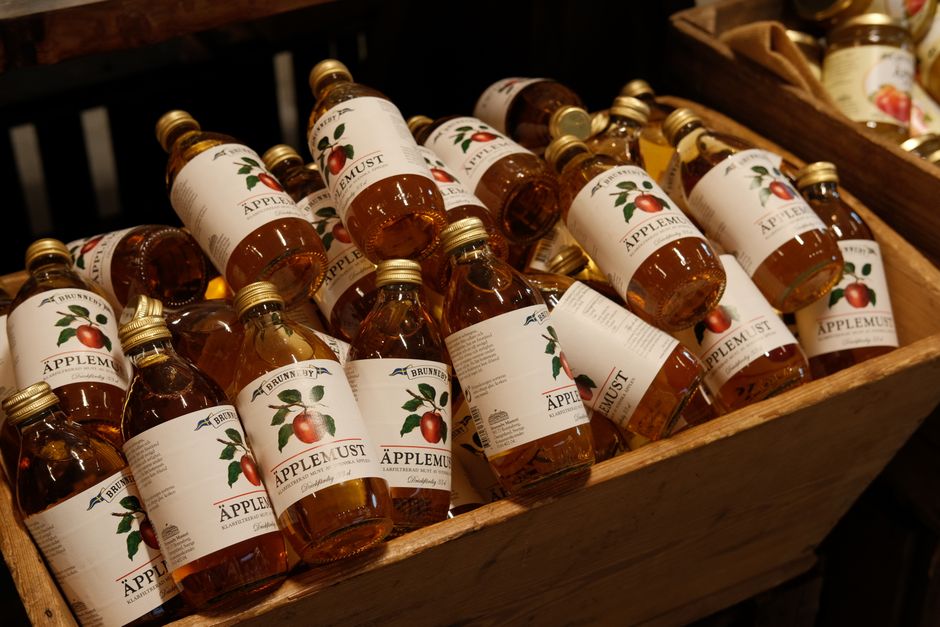
Yes, apple juice can help you poop, but not for the reasons most people think. It is not a strong laxative like coffee or prune juice. The effect is mild and works best for people who are already a bit backed up. The key is in two natural compounds found in apples: sorbitol and a type of soluble fiber called pectin. Most commercial apple juice has very little fiber, so the real action comes from the sorbitol. If you are expecting a dramatic clean-out, you will likely be disappointed. But if you need a gentle nudge, a glass of apple juice might do the trick.
Does Apple Juice Help You Poop Faster Than Water?
This is a fair question. Water alone helps soften stool by keeping things hydrated. Apple juice adds two extra tools. First is sorbitol. Sorbitol is a sugar alcohol that your body does not absorb well. It pulls water into your colon through a process called osmosis. More water in the colon means softer stool and easier passage. Second is the small amount of pectin that survives processing. Pectin can add some bulk to stool, though most store-bought juice has very little left after filtering. Research published in the Journal of Pediatric Gastroenterology and Nutrition found that apple juice can help relieve mild constipation in children, but the effect was slower than other options. For adults, the effect is similar — noticeable but not dramatic. If you are dehydrated, apple juice will help more than water because the sorbitol actively draws water into the bowel. If you are well-hydrated, the difference between apple juice and water is small.
What Is the Active Ingredient That Helps You Poop?
The main player is sorbitol. Sorbitol is a naturally occurring sugar alcohol found in many fruits, with apples and pears being the richest sources. The average 8-ounce glass of apple juice contains about 1 to 2 grams of sorbitol. That is not a huge amount. For comparison, prune juice has about 6 grams per serving. This is why prune juice gets more attention for constipation relief. Sorbitol works by pulling water into the intestines. This softens stool and stimulates bowel movement. The body does not fully digest sorbitol, so it stays active all the way to the colon. Some people are more sensitive to sorbitol than others. If you have irritable bowel syndrome or a history of digestive issues, even small amounts might cause cramping or gas. The second compound is pectin. Pectin is a soluble fiber that can help regulate bowel movements. But here is the catch: most apple juice is filtered, which removes nearly all pectin. Unfiltered apple juice or fresh-pressed cider contains more pectin. If you want the fiber benefit, eating a whole apple is far more effective. A medium apple with skin has about 4.5 grams of fiber. A glass of clear apple juice has less than 0.5 grams.
How Much Apple Juice Should You Drink for Constipation?
There is no official dose because apple juice is not a medical treatment. But based on how sorbitol works, a reasonable starting point is 4 to 8 ounces for adults. For children, the American Academy of Pediatrics suggests 2 to 4 ounces of 100% apple juice for mild constipation. Start with a small amount and wait 2 to 4 hours. If nothing happens, you can try another small glass. Drinking too much apple juice at once can cause bloating, gas, and diarrhea. The body can only handle so much sorbitol before it triggers a strong laxative effect. That is not helpful — it is uncomfortable and can lead to dehydration. A better approach is to drink one glass in the morning on an empty stomach. This gives the sorbitol time to work during the day. Some people find warm apple juice works faster than cold, though there is no strong evidence for this. The warmth may relax the intestinal muscles slightly, which could help things move along.




Does Apple Juice Work Better Than Prune Juice for Constipation?
No, prune juice is more effective. This is not close. Prune juice contains about three times more sorbitol per serving than apple juice. It also has a compound called dihydroxyphenylisatin, which stimulates intestinal contractions. Apple juice does not have this compound. A study in Gastroenterology Nursing compared prune juice to apple juice in older adults with constipation. The prune juice group had significantly more bowel movements and reported less straining. That said, apple juice has advantages. It tastes milder and is less likely to cause a sudden cramping sensation. For people who find prune juice too strong or unpleasant, apple juice is a gentler alternative. It is also lower in calories and sugar per serving than prune juice. But if your goal is reliable relief, prune juice is the better choice.
| Juice Type | Sorbitol per 8 oz | Fiber per 8 oz | Laxative Effect |
|---|---|---|---|
| Apple juice (clear) | 1–2 g | < 0.5 g | Mild |
| Prune juice | 5–6 g | 1–2 g | Strong |
| Pear juice | 3–4 g | < 0.5 g | Moderate |
| Apple cider (unfiltered) | 1–2 g | 1–2 g | Mild to moderate |
What Are the Side Effects of Drinking Apple Juice for Constipation?
The most common side effects are gas, bloating, and stomach cramps. These come from sorbitol fermenting in the large intestine. Bacteria break down the undigested sorbitol and produce gas. People with sensitive digestion or conditions like IBS may feel these effects even with small amounts. Diarrhea is possible if you drink too much. The osmotic effect that softens stool can overshoot if you consume more than 8 ounces in a short period. This can lead to loose, urgent stools. It is not dangerous for a healthy adult, but it is unpleasant. For people with diabetes, apple juice poses a different concern. It is high in natural sugar. An 8-ounce glass has about 25 grams of sugar, all of it rapidly absorbed. This can spike blood sugar. If you have diabetes, a whole apple is a much better choice because the fiber slows sugar absorption. Children under one year old should not drink apple juice for constipation — or any juice at all — because of the risk of tooth decay and poor nutrition. The American Academy of Pediatrics recommends whole fruit instead.
What Works Better Than Apple Juice for Constipation?
If apple juice is not cutting it, several options are backed by stronger evidence. The most effective non-medical approach is increasing fiber from whole foods. The Academy of Nutrition and Dietetics recommends 25 to 38 grams of fiber per day for adults. Most Americans get about half that. Good sources include oats, beans, lentils, berries, and vegetables like broccoli. Prunes and prune juice are the most studied natural laxatives. A 2011 review in Alimentary Pharmacology & Therapeutics found that prunes were more effective than psyllium fiber for improving stool frequency and consistency. Psyllium husk is another option. It is a soluble fiber supplement that forms a gel in the gut. It softens stool without causing gas as much as other fibers. Start with a low dose and increase slowly. Hydration matters more than most people realize. If you increase fiber without drinking enough water, constipation can actually worsen. Aim for 8 to 10 cups of fluid per day. Warm liquids in the morning can stimulate the gastrocolic reflex — the signal that tells your colon to move. Coffee is particularly effective for some people because caffeine also stimulates contractions. Movement also helps. Walking or light exercise encourages intestinal motility. Even 10 to 15 minutes after a meal can make a difference.
Common Misconceptions About Apple Juice and Digestion
A few myths circulate online that deserve clarification. One is that apple juice “detoxes” the colon. There is no evidence that any juice cleanses the colon. The body has its own detox system — the liver and kidneys — and they do not need help from juice. Another myth is that clear apple juice has more laxative effect than cloudy apple juice. In reality, cloudy juice has more pectin because it is less filtered. Pectin adds bulk, which can help with regularity. Clear juice has slightly more sorbitol relative to its volume because some pectin is removed during processing. The difference is small. Some people claim that apple juice must be organic to work for constipation. There is no research supporting this. Sorbitol and pectin levels are similar in organic and conventional apples. The choice is personal, not medical. Finally, there is a belief that apple juice works instantly. It does not. The sorbitol needs time to reach the colon and pull in water. Expect results in 2 to 6 hours, not minutes.
Frequently Asked Questions
Can apple juice cause constipation instead of helping?
It is unlikely. Apple juice has a mild laxative effect due to sorbitol. However, if you drink very small amounts and have a low-fiber diet, it may not be enough to overcome existing constipation.
Is apple juice safe for children with constipation?
Yes, in small amounts. The American Academy of Pediatrics recommends 2 to 4 ounces of 100% apple juice for children over one year old with mild constipation. Whole fruit is preferred for older children.
Does warm apple juice work better than cold apple juice?
There is no strong evidence that temperature changes the effect. Some people find warm liquids soothe the digestive tract, which may help. The sorbitol content is the same regardless of temperature.
How long does it take for apple juice to make you poop?
Most people feel an effect within 2 to 6 hours. It depends on your digestion, how much you drink, and whether you are hydrated. Drinking it on an empty stomach may speed things up slightly.
