
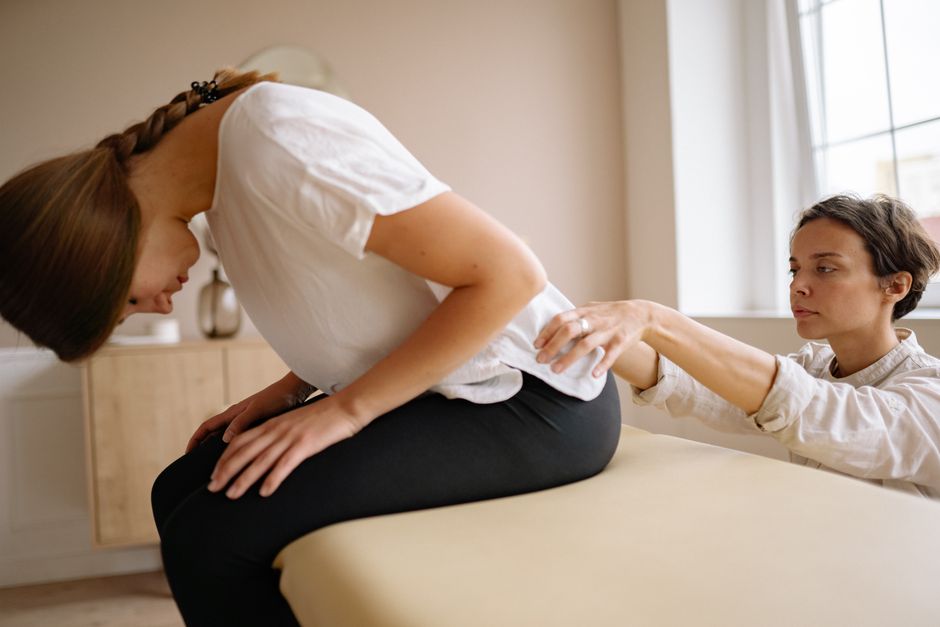
Yes, lower back pain can cause testicular aching. This is a real and well-documented connection, though the pain usually starts in the back and radiates downward. The most common reason is a pinched or irritated nerve in the lower spine, but there are other causes that need attention. Understanding the difference between nerve-related pain and pain from other structures is the first step toward getting the right treatment.
Can Lower Back Pain Cause Testicles to Ache? The Short Answer
Yes, it can. The nerves that supply the lower back, groin, and testicles all originate from the same region of the spinal cord. When a nerve in the lower back is compressed, inflamed, or irritated, the pain can travel along that nerve pathway into the scrotum. This is called referred pain.
This is not a rare or unusual symptom. Many people with lumbar spine conditions report pain that radiates into the groin or testicles. The pain may feel dull, heavy, or aching. It can come and go, or it can be constant. The key feature is that the pain follows a nerve pattern rather than being isolated to the testicle itself.
Which Nerves Connect the Lower Back to the Testicles?
The spinal nerves that exit the lower lumbar and upper sacral spine provide sensation to the groin and genitals. Specifically, the L1 and L2 nerve roots give rise to the ilioinguinal and genitofemoral nerves. These nerves travel through the lower abdomen and into the scrotum.
When a disc herniates, bone spurs form, or the spinal canal narrows, these nerve roots can become compressed. The brain then interprets the signals from these compressed nerves as pain in the areas they supply — including the testicles. This is why a problem in the spine can feel like a problem in the scrotum.
The sensation is often described as a deep ache rather than a sharp or stabbing pain. Some people also report a feeling of heaviness in the testicle on the affected side. The pain may worsen with certain positions, like sitting for long periods, bending forward, or coughing.
What Other Spine Conditions Can Cause Testicular Pain?
Several specific spinal conditions can produce testicular pain through nerve compression. A herniated lumbar disc is the most common cause. The disc material presses against a nerve root, triggering pain along the nerve’s path.
Lumbar spinal stenosis is another possibility. This condition involves narrowing of the spinal canal, which can pinch multiple nerves at once. People with stenosis often have pain that worsens with standing or walking and improves with sitting or leaning forward.
Spondylolisthesis, where one vertebra slips forward over another, can also irritate nerve roots. This condition may cause a combination of lower back pain, leg pain, and referred pain into the groin. In each case, the testicular pain is a symptom of the spinal problem, not a problem with the testicle itself.





How to Tell If the Pain Is From Your Back or Your Testicle
Distinguishing between back-related pain and primary testicular pain is important. The location and nature of the pain offer clues, but they are not always definitive.
Pain from the spine often comes with other signs. You may have lower back stiffness, reduced range of motion, or pain that shoots down the leg. Numbness or tingling in the groin or inner thigh can also occur. The testicular pain from a spinal source typically does not come with swelling, redness, or a lump.
Primary testicular conditions usually present differently. Epididymitis, an inflammation of the tube at the back of the testicle, causes swelling and tenderness. A testicular torsion is a surgical emergency with sudden, severe pain, nausea, and vomiting. Testicular cancer typically causes a painless lump or a feeling of heaviness rather than sharp pain.
If you have back pain and testicular pain together, but no swelling or lump, the spine is the more likely source. If you have any swelling, redness, fever, or sudden severe pain, seek medical attention immediately.
When Testicular Pain Is Not Related to the Back
Not all testicular pain comes from the spine. Several other conditions can cause pain in the scrotum, and some of these are serious.
A testicular torsion occurs when the spermatic cord twists, cutting off blood flow to the testicle. This is a medical emergency that requires surgery within hours to save the testicle. The pain is sudden and severe, often accompanied by nausea and vomiting. This condition does not cause lower back pain.
Epididymitis is an infection or inflammation of the epididymis. It typically causes gradual onset of pain, swelling, and sometimes fever. It is more common in younger and older men and often requires antibiotics if bacterial in origin.
A hydrocele is a fluid-filled sac around the testicle that causes swelling but usually not severe pain. A varicocele is an enlarged vein in the scrotum that can cause a dull ache, especially after standing for long periods. An inguinal hernia can also cause groin and testicular pain, especially with straining.
Kidney stones sometimes cause pain that radiates into the groin and testicle. This pain typically comes in waves and is associated with urinary symptoms like blood in the urine or burning during urination. The pain pattern is different from nerve-related pain and usually does not involve the lower back directly.
What Does the Pain Feel Like and When Does It Worsen?
The quality of the pain offers important diagnostic information. Nerve-related testicular pain from the back is usually described as a dull ache, a deep pressure, or a pulling sensation. It is rarely sharp or stabbing.
The pain often worsens with activities that increase pressure on the spinal nerves. Sitting for prolonged periods, especially on hard surfaces, can aggravate the pain. Bending forward, lifting heavy objects, or twisting the spine may also trigger it. Coughing, sneezing, or straining on the toilet can cause a sudden increase in pain because these actions raise pressure in the spinal canal.
Lying down often provides relief. Changing positions frequently can help. Some people find that walking or moving gently eases the pain, while others find that standing for long periods makes it worse. The variability in symptoms reflects the underlying spinal mechanics rather than any problem in the testicle itself.
How Is This Type of Pain Diagnosed?
A doctor will start with a physical exam and a detailed history. They will ask about when the pain started, what makes it better or worse, and whether you have any other symptoms like numbness or weakness. They will also examine your testicles to rule out local problems like a mass, swelling, or tenderness.
If the spine is suspected, imaging studies may be ordered. An MRI is the most detailed test for viewing discs, nerves, and the spinal canal. It can show a herniated disc, spinal stenosis, or other structural problems. X-rays can show bone alignment and signs of arthritis but do not show soft tissues well.
Nerve conduction studies or electromyography are sometimes used to assess nerve function. These tests measure how well electrical signals travel through the nerves and can confirm whether a specific nerve is compressed. However, they are not always necessary if the MRI shows a clear cause.
If no spinal cause is found, a urologist may be consulted. They can perform an ultrasound of the scrotum to check for structural problems in the testicle, epididymis, or surrounding tissues. This combination of spine imaging and scrotal ultrasound usually identifies the source of the pain.
Treatment Options for Back-Related Testicular Pain
Treatment focuses on the underlying spinal problem rather than the testicle itself. Most cases improve with conservative care.
Physical therapy is often the first-line treatment. A therapist can teach you exercises to strengthen the core muscles that support the spine, improve flexibility, and correct posture. These exercises reduce pressure on the compressed nerves over time.
Anti-inflammatory medications like ibuprofen or naproxen can reduce nerve inflammation and relieve pain. These are available over the counter but should be used as directed. For more significant pain, a doctor may prescribe muscle relaxants or stronger pain medication.
Epidural steroid injections are another option. A doctor injects a corticosteroid directly into the space around the affected nerve root. This reduces inflammation and can provide relief for weeks or months. These injections are not a permanent fix but can help you participate in physical therapy more comfortably.
Surgery is reserved for cases where conservative treatment fails or where there are signs of nerve damage like weakness or loss of bladder control. A microdiscectomy removes the portion of the disc pressing on the nerve. This procedure has a high success rate for relieving radicular pain.
When to Seek Emergency Care
Most cases of back-related testicular pain are not emergencies. However, certain symptoms require immediate medical attention.
Sudden, severe testicular pain that comes on quickly could indicate testicular torsion. This requires emergency surgery within hours. Do not wait to see if it improves. Go to the emergency room immediately.
Loss of bladder or bowel control, numbness in the groin area, or weakness in the legs can indicate cauda equina syndrome. This is a rare but serious condition where the spinal nerves at the base of the spine are severely compressed. It requires urgent surgery to prevent permanent damage.
Fever, chills, or redness and swelling in the scrotum could indicate an infection that needs treatment. A painful lump in the testicle should also be evaluated promptly. These symptoms point away from a spinal cause and toward a local problem in the scrotum.
Frequently Asked Questions
Can a herniated disc cause testicle pain?
Yes, a herniated disc in the lower lumbar spine can compress nerves that supply the groin and testicles, causing referred pain. The pain usually feels like a dull ache and may worsen with sitting or bending.
How do I know if my testicle pain is from my back or something else?
Back-related pain typically comes with lower back stiffness, leg pain, or numbness and does not cause swelling or a lump in the testicle. Swelling, redness, fever, or sudden severe pain points to a local testicular problem that needs urgent evaluation.
What does nerve-related testicular pain feel like?
It typically feels like a deep, dull ache or a heavy sensation rather than a sharp or stabbing pain. It often worsens with sitting, coughing, or straining and may improve with lying down or changing positions.
Is testicular pain from the back an emergency?
Not usually, but sudden severe pain, nausea, vomiting, or swelling requires immediate emergency care to rule out testicular torsion. Loss of bladder or bowel control with back pain is also an emergency requiring urgent surgery.
