

Touching hydrochloric acid causes immediate chemical burns that can destroy skin tissue within seconds. The acid rapidly breaks down proteins and fats in your skin, leading to pain, redness, blistering, and in severe cases, deep ulcers or permanent scarring. The severity depends on the acid’s concentration and how quickly you wash it off.
What Actually Happens to Your Skin When Hydrochloric Acid Touches It?
Hydrochloric acid is a strong acid. When it contacts skin, it donates hydrogen ions that rip apart protein structures in your cells. This process is called protein denaturation. Your skin cells essentially dissolve.
The National Institutes of Health (NIH) classifies hydrochloric acid as a corrosive substance. Concentrations above 10% can cause immediate burns. Lower concentrations may cause irritation that takes longer to appear. But even dilute acid can damage skin if left on long enough.
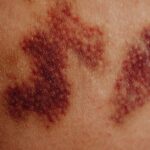
What you feel first is sharp stinging pain. Then the skin turns white or gray as tissue dies. Blisters may form within minutes. Deeper burns can turn black or brown as the tissue becomes necrotic. This is not like a heat burn. It keeps damaging tissue until the acid is neutralized or washed away.
How Quickly Do Hydrochloric Acid Skin Burns Develop?
Burns develop within seconds to minutes depending on concentration. Industrial-grade hydrochloric acid at 30% or higher can cause visible damage in under 10 seconds. Household cleaners with lower concentrations may take 30 seconds to several minutes before you notice pain or redness.
Research from the American Burn Association shows that prolonged contact beyond 30 seconds dramatically increases injury depth. The acid continues penetrating deeper into skin layers. This is why immediate rinsing is the single most important action.
One study published in the Journal of Burn Care & Research found that patients who rinsed within 10 seconds had significantly less tissue damage than those who waited 30 seconds or longer. Every second matters.
What Is the Correct First Aid for Hydrochloric Acid Skin Burns?
Rinse the area with large amounts of cool running water immediately. Do not stop for at least 15 to 20 minutes. The water dilutes and washes away the acid. It also helps cool the tissue and reduce pain.
Remove any contaminated clothing while rinsing. But do not pull clothing over your head if it touched the face or neck. Cut it off instead. Acid trapped against skin in fabric continues burning.
The Occupational Safety and Health Administration (OSHA) recommends continuous water irrigation for a minimum of 20 minutes for hydrochloric acid exposure. Do not use neutralizing agents like baking soda or vinegar. These can cause heat reactions that worsen the burn. Water is the only safe choice.
After rinsing, cover the burn loosely with a clean dry cloth or sterile gauze. Do not apply ice directly. Ice can cause frostbite on already damaged skin. Do not pop blisters. Blisters protect the healing tissue underneath.




What Happens If You Touch Hydrochloric Acid Skin Burns Without Treatment?
Untreated hydrochloric acid burns continue damaging tissue for hours. The acid can penetrate through the epidermis into the dermis and even deeper into fat and muscle. This is called full-thickness burn.
| Burn Depth | Skin Layers Affected | Typical Outcome |
|---|---|---|
| Superficial (first-degree) | Epidermis only | Heals in 3-7 days with peeling |
| Partial-thickness (second-degree) | Epidermis and dermis | Blisters, healing 2-3 weeks, possible scarring |
| Full-thickness (third-degree) | All skin layers, possibly fat | Permanent scarring, may need skin grafts |
Without treatment, the acid also enters the bloodstream through broken skin. This can cause metabolic acidosis, a dangerous condition where your blood becomes too acidic. Symptoms include confusion, rapid breathing, and eventually organ failure. This is rare with small exposures but real with large areas of skin contact.
What Are Common Mistakes People Make With Hydrochloric Acid Burns?
The biggest mistake is not rinsing long enough. Many people rinse for one or two minutes and stop. The acid is still active. The CDC explicitly states that 20 minutes of continuous water irrigation is the minimum standard for chemical burns.
Another mistake is applying butter, oil, or creams. These trap the acid against the skin and do not neutralize it. They only make the burn worse. The same goes for toothpaste, egg whites, or any home remedy you find online.
- Do not use neutralizing agents like baking soda or vinegar paste
- Do not apply ice directly to the burn
- Do not pop blisters
- Do not remove dead skin yourself
- Do not delay medical care for burns larger than 3 inches
Some people also make the mistake of wiping the acid off with a dry cloth. This spreads the acid to unaffected skin and pushes it deeper into pores. Always rinse with water first.
Does What Happens If You Touch Hydrochloric Acid Skin Burns Change With Different Concentrations?
Yes. Concentration is the main factor determining burn severity. Common household cleaning products contain 5% to 15% hydrochloric acid. These cause burns but usually not deep tissue damage if rinsed quickly.
Industrial concentrations range from 30% to 40%. These cause immediate deep burns. Even brief contact can result in permanent scarring or loss of function in fingers or hands. Muriatic acid used for pool maintenance is typically 30% and should be handled with extreme care.
Laboratory-grade hydrochloric acid at 37% is the most dangerous common concentration. The American Conference of Governmental Industrial Hygienists classifies it as a severe irritant and corrosive. Splashes to the eyes can cause blindness within minutes if not flushed immediately.
Dilute solutions below 5% may only cause mild irritation and redness. But repeated exposure can still damage the skin barrier over time. People who work with acid daily should always wear gloves regardless of concentration.
When Should You See a Doctor for Hydrochloric Acid Skin Burns?
Seek emergency medical care if the burn covers an area larger than 3 inches. Also go if the burn is on the face, hands, feet, genitals, or over a joint. Deep burns that appear white, gray, or black require professional treatment.
Signs of infection include increased pain, redness spreading beyond the burn, pus, or fever. These require medical attention even if the burn initially seemed minor. The American Academy of Dermatology advises that chemical burns have higher infection rates than thermal burns because dead tissue provides a breeding ground for bacteria.
If you inhaled acid fumes while being burned, you may need evaluation for lung damage. Symptoms include coughing, wheezing, or shortness of breath. Hydrochloric acid releases hydrogen chloride gas, which is highly irritating to the respiratory tract.
What Does Research on Hydrochloric Acid Skin Burns Show About Long-Term Effects?
Research published in the journal Burns found that chemical burns from acids like hydrochloric acid often result in hypertrophic scarring. These are raised, thick scars that can be itchy and painful for months or years. They occur more frequently with acid burns than with heat burns.
The same study showed that 30% of patients with hydrochloric acid burns developed some form of scar contracture. This means the scar tightens and restricts movement. Contractures are especially problematic on hands and joints.
Skin discoloration is also common. The burned area may heal lighter or darker than surrounding skin. This usually fades over time but can be permanent in deep burns. Some people also experience nerve damage, leading to numbness or tingling in the affected area.
Psychological effects are real too. A study in the Journal of Plastic, Reconstructive & Aesthetic Surgery found that chemical burn survivors reported higher rates of anxiety and depression than thermal burn survivors. Visible scarring can affect self-image and social interactions.
Frequently Asked Questions
Can you die from touching hydrochloric acid?
Yes, but only with large exposures covering more than 25% of body surface area. Death is usually from metabolic acidosis or organ failure, not the burn itself.
Does milk help hydrochloric acid burns?
No. Milk does not neutralize hydrochloric acid effectively. Water is superior because you can use large volumes continuously without introducing proteins that might react.
How long does a hydrochloric acid burn take to heal?
Superficial burns heal in 3 to 7 days. Deep burns can take weeks to months and often require skin grafting. Full healing including scar maturation can take up to two years.
Can you wash hydrochloric acid off with soap?
Soap is not necessary and can delay rinsing. Use plain water first. Once the acid is thoroughly rinsed, mild soap can help remove any remaining residue from the skin surface.
