
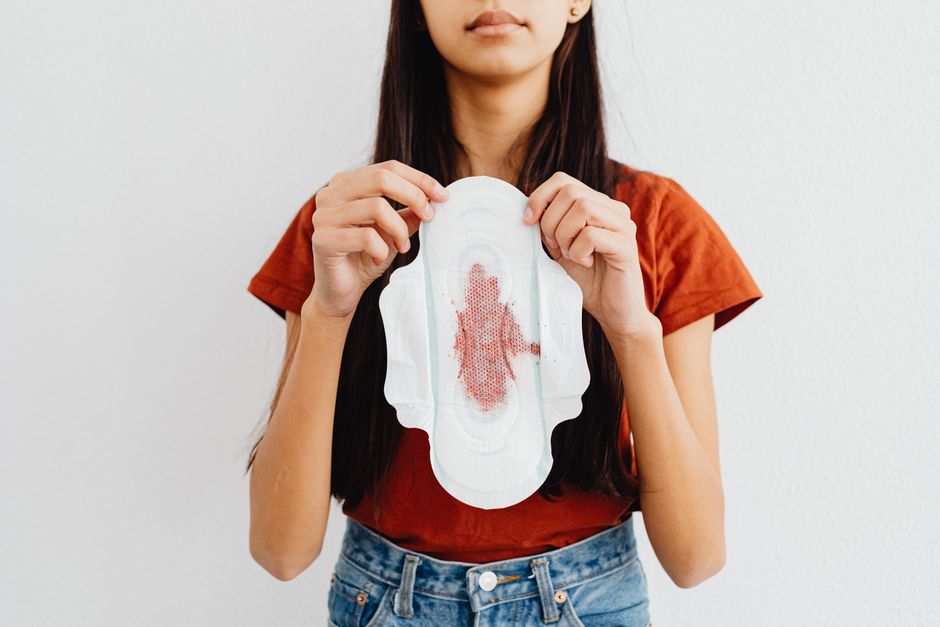
A period that regularly lasts more than seven days is called prolonged menstrual bleeding, and it is one of the most common reasons people seek gynecologic care. It has real causes — hormonal shifts, structural growths in the uterus, bleeding disorders, and medications among them — and most of those causes can be identified and treated. The key first step is figuring out whether the bleeding is coming from a hormonal problem, a physical structure, or something else entirely.
How Long Is Too Long for a Period?
Most menstrual periods last between three and seven days. Bleeding that consistently runs longer than seven days is considered prolonged, and it is one of the defining features of a group of conditions clinicians call abnormal uterine bleeding.
Length alone does not tell the whole story. Doctors also look at volume and pattern. Soaking through a pad or tampon every hour for several hours, passing clots larger than about a quarter, bleeding between periods, or bleeding after sex all matter — even if the total number of days falls within a normal range. A period that lasts five days but is extremely heavy is not automatically “normal.”
What counts as normal also varies somewhat from person to person. The clinical thresholds exist to flag patterns worth investigating, not to label every variation as a disorder. If your periods have changed from their usual pattern, that change itself is worth mentioning to a clinician.
What Causes a Period to Last Too Long?
Prolonged bleeding usually traces back to one of a few broad categories. In many cases more than one factor is involved at once.
Hormonal causes
The menstrual cycle depends on a precise rise and fall of estrogen and progesterone. When that signaling is disrupted, the lining of the uterus can build up unevenly and then shed slowly or irregularly. Common hormonal contributors include:
- Polycystic ovary syndrome (PCOS)
- Thyroid problems, particularly an underactive thyroid
- Approaching menopause (perimenopause), when cycles often become unpredictable
- Elevated prolactin levels
These conditions do not always cause heavy bleeding directly. They disrupt the hormonal rhythm that controls how the uterine lining thickens and sheds. That disruption is what produces the prolonged or irregular bleeding.
Structural causes in the uterus
Physical growths in the uterus are a frequent cause of prolonged and heavy bleeding, especially in the 35–55 age range.
- Uterine fibroids — noncancerous muscle growths. Submucosal fibroids, which press into the uterine cavity, are most strongly linked to heavy bleeding.
- Uterine polyps — small overgrowths of the uterine lining that can cause irregular or prolonged bleeding.
- Adenomyosis — uterine lining tissue growing into the muscle wall of the uterus. It commonly causes heavy, painful, prolonged periods.
Bleeding disorders and medications
Inherited bleeding disorders such as von Willebrand disease are an underrecognized cause of heavy menstrual bleeding. Some studies suggest they are more common in people with heavy periods than previously assumed, though the exact proportion is debated. Blood thinners and some hormonal contraceptives can also change bleeding patterns.
Other causes
Infection of the uterus, pregnancy-related complications, and — rarely — uterine cancer can present with abnormal bleeding. Cancer is uncommon in younger people but becomes a more relevant consideration after menopause. Any bleeding after menopause is not normal and should be evaluated promptly.
Why Your Period Lasts Too Long Causes Treatment: The Link
Treatment depends almost entirely on the underlying cause, which is why identifying it matters more than simply trying to shorten the bleeding. A fibroid, a thyroid problem, and a bleeding disorder all cause prolonged periods, but they call for completely different approaches.
This is also why no single “fix” works for everyone. A treatment that helps one person may do nothing for another whose bleeding has a different source. The diagnostic workup is not a formality — it determines which options are likely to help.





When Should You See a Doctor About Long Periods?
See a clinician if your periods regularly last longer than seven days, if you soak through protection every hour for several hours, if you pass large clots, or if you feel dizzy, weak, or unusually tired during your period. Fatigue can be a sign of iron-deficiency anemia, which heavy bleeding can cause over time.
Seek care promptly for any bleeding after menopause, bleeding between periods, or bleeding after sex. These patterns warrant evaluation regardless of how long the period itself lasts.
It is reasonable to track your cycles for a few months before an appointment. Note how many days you bleed, how heavy the flow is, and whether you have pain or clots. That record gives a clinician useful information that is hard to recall accurately from memory.
How Is Prolonged Menstrual Bleeding Diagnosed?
There is no single test. Diagnosis is a process of ruling causes in and out, and it usually starts with a conversation about your bleeding pattern and medical history.
Common steps include:
- Pelvic exam to check for visible abnormalities
- Blood tests for thyroid function, iron levels, and sometimes clotting factors or pregnancy hormones
- Pelvic ultrasound to look for fibroids, polyps, and adenomyosis
- Endometrial biopsy — sampling the uterine lining — particularly in older patients or when cancer is a concern
- Hysteroscopy, in which a small camera is used to look inside the uterus directly
Not every person needs every test. The workup is tailored to age, symptoms, and what earlier steps reveal. A normal ultrasound, for example, does not rule out a bleeding disorder, and a normal blood panel does not rule out a structural cause.
What Are the Treatment Options?
Treatment is chosen to match the cause, and it ranges from medication to minor procedures to surgery. Some options treat the bleeding directly; others address the underlying condition.
Medications
Hormonal options — including certain hormonal contraceptives and progestin-releasing intrauterine devices — are commonly used to reduce menstrual bleeding. They work by thinning or stabilizing the uterine lining. Non-hormonal medications such as tranexamic acid can reduce bleeding during periods. Which option fits depends on the cause, your health history, and whether you want to become pregnant.
This is a case where common clinical practice and strong trial evidence do not always line up perfectly. Some medications are widely used based on established mechanisms and years of clinical experience, even where large trials are limited. That does not make them wrong, but it is worth asking your clinician what the evidence is for any specific recommendation.
Procedures and surgery
Polyps and some fibroids can be removed during hysteroscopy. For fibroids, other options exist depending on size and location. In cases where childbearing is complete and other treatments have not helped, some people and their clinicians consider procedures that remove or reduce the uterine lining. These are decisions with lasting consequences and deserve careful discussion.
Treating the underlying condition
When the cause is thyroid disease, a bleeding disorder, or another systemic condition, treating that condition often improves the bleeding. This is why the diagnostic step is not optional — skipping it can mean treating a symptom while the real driver goes unaddressed.
The Bottom Line
A period lasting longer than seven days is common and has many possible causes, most of which are treatable. The path forward is not guesswork — it is identifying whether the source is hormonal, structural, or something else, then matching treatment to that cause. If your periods are consistently long, heavy, or have changed from your normal pattern, that is a reason to get evaluated, not to wait it out indefinitely.
Frequently Asked Questions
How many days is too long for a period?
Bleeding that regularly lasts more than seven days is considered prolonged. Heavy flow, large clots, or bleeding between periods also warrant evaluation even if the number of days seems normal.
What causes periods to last longer than usual?
Common causes include hormonal conditions like PCOS and thyroid problems, uterine fibroids, polyps, adenomyosis, and bleeding disorders. Identifying the specific cause usually requires testing rather than symptoms alone.
Can a long period be a sign of something serious?
Most causes of prolonged bleeding are not dangerous, but heavy periods can lead to iron-deficiency anemia over time. Any bleeding after menopause should be evaluated promptly.
When should I see a doctor for a long period?
See a clinician if periods regularly exceed seven days, if you soak through protection every hour for several hours, or if you feel dizzy or unusually fatigued during your period. Tracking your cycle beforehand helps the visit.
