
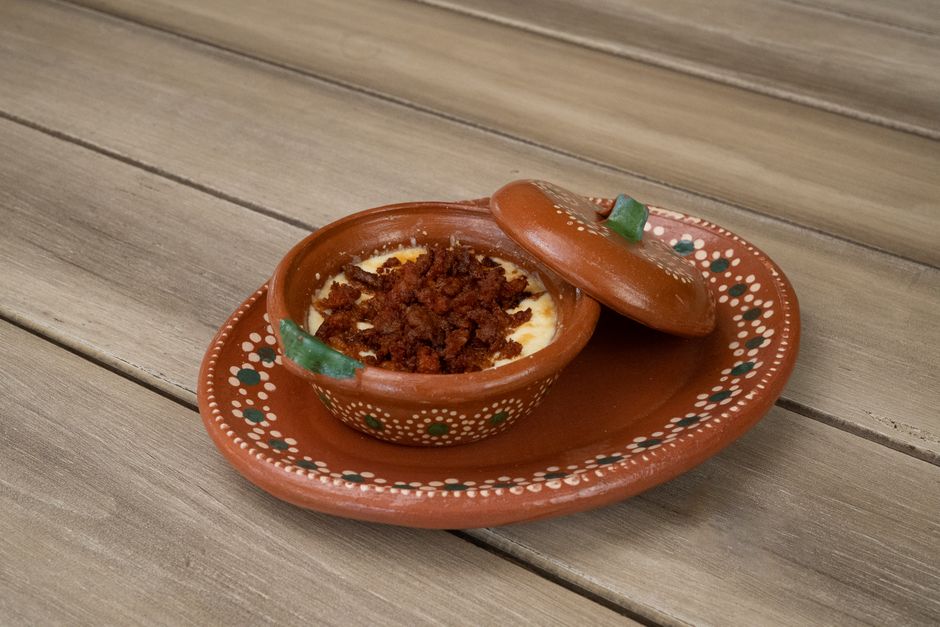
Runny chorizo is almost always caused by one of three things: fat rendering out because the meat was cooked too fast or too long, moisture from the meat itself or added liquid, or a recipe with too little binder and too much loose fat. Fix it by cooking low and slow, draining rendered fat as you go, and choosing the right chorizo for the job — fresh Mexican-style chorizo behaves very differently from cured Spanish chorizo.
That single answer covers most cases. But the details matter, because “chorizo” means several different sausages, and the fix depends on which one is in your pan.
Why Your Chorizo Is So Runny And How To Fix It?
Chorizo is a fatty sausage. That is not a flaw — it is the design. Traditional fresh chorizo relies on a high proportion of fat to carry flavor and keep the meat tender. When you heat it, that fat melts and pools in the pan.
Two things make it worse. First, heat that is too high causes the fat to render quickly before the meat proteins have a chance to set and hold together. Second, many commercial fresh chorizos contain added water or are made with a higher fat-to-lean ratio than homemade versions. Both release liquid fast.
There is also a category confusion worth clearing up. Fresh Mexican chorizo is raw, loose, and meant to be cooked like ground meat. Spanish chorizo is cured and firm, and is usually sliced and eaten without cooking. If you crumble cured Spanish chorizo into a hot pan expecting it to behave like fresh, you will get a greasy, loose result — because it was never meant to be cooked that way.
The fix follows the cause: lower the heat, cook longer, and drain as you go. More on each below.
Is Runny Chorizo a Sign It Has Gone Bad?
Usually not. Runny chorizo is a normal cooking outcome, not a safety signal on its own.
What matters for safety is temperature and handling, not texture. Fresh raw chorizo should be kept refrigerated and cooked thoroughly. Ground meat products like fresh chorizo should reach a safe internal temperature of 160°F (71°C) before you eat them. That is the standard food-safety guidance for ground meat, and it applies here.
Signs that would actually suggest spoilage are different from runniness:
- Sour, putrid, or off smells
- Sticky or slimy surface texture
- Gray or greenish discoloration beyond normal cured color
- Packaging that is swollen or leaking
If any of those are present, discard it. Runniness by itself is not a reason to throw food out.
Why Does Chorizo Release So Much Liquid When Cooked?
Two liquids come out of chorizo: melted fat and water. They look similar in the pan but behave differently, and knowing which you are seeing helps you fix it.
Fat renders as the sausage heats. Water is released as the proteins in the meat contract and squeeze out moisture. Fresh sausage often contains added water, which makes this worse. High heat accelerates both.
The tell is simple. Fat is yellow-orange, slick, and stays liquid at room temperature. Water is thinner, cloudy, and evaporates as you keep cooking. If your pan is full of orange liquid that never cooks off, that is fat, and it will not disappear no matter how long you cook it.





How Do You Fix Runny Chorizo While Cooking It?
Start with lower heat than you think you need. Medium or medium-low is enough for fresh chorizo. High heat is the most common cause of a greasy, runny pan.
Break the chorizo into small pieces and let it sit undisturbed for a minute or two before stirring. This gives the meat a chance to brown and form a crust, which helps it hold together. Constant stirring keeps everything loose and wet.
Drain the fat as it accumulates. Tip the pan and spoon off excess fat into a heatproof container, or use a slotted spoon to move the chorizo to a plate while you pour off the fat. Do this once or twice during cooking rather than at the end.
If you are using chorizo as an ingredient — in eggs, potatoes, beans, or a sauce — cook it first and drain it before adding anything else. Otherwise the released fat and water will make the whole dish loose.
One more practical note: do not add liquid to the pan unless a recipe specifically calls for it. Chorizo does not need water to cook, and adding it just makes the result soupier.
Should You Choose Fresh or Cured Chorizo?
Yes — and which one you pick changes everything. These are different products with different uses.
| Type | What It Is | How to Use It | Behavior When Cooked |
|---|---|---|---|
| Fresh Mexican chorizo | Raw ground sausage, usually pork, seasoned with chiles and spices | Cook like ground meat; crumble into dishes | Releases fat and water; needs draining |
| Cured Spanish chorizo | Fermented and cured, firm and sliceable | Slice and eat as-is; add to stews near the end | Releases some fat but holds shape |
If a recipe calls for fresh chorizo and you only have cured, you cannot simply substitute one for the other. The texture and moisture will be wrong. Look for a loose, raw sausage labeled Mexican-style chorizo for dishes that call for crumbled chorizo.
What If Your Chorizo Is Runny Before You Even Cook It?
Some fresh chorizo is loose and wet straight from the package. That usually means a high fat content, added water, or a recipe with less binder.
You can work with it. Chill it thoroughly before cooking — cold fat renders more slowly and holds together better. Some cooks add a small amount of a binder, but this changes the dish and is not traditional, so treat it as a personal preference rather than a fix.
If a particular brand is consistently soupy, that is a product characteristic. Trying a different brand or a butcher-made fresh chorizo may solve it more reliably than any cooking trick.
Does Draining the Fat Ruin the Flavor?
No, and this is worth understanding. The flavor compounds in chorizo come from the spices, the meat, and the fat — but you do not need a pool of fat in the pan to taste them. The meat has already absorbed fat and flavor during cooking.
Draining excess fat removes grease, not flavor. What it prevents is a greasy, loose final dish. If you want to keep some richness, reserve a spoonful of the rendered fat and add it back to taste rather than leaving all of it in the pan.
For dishes where chorizo is a flavor base — like a stew or a pot of beans — a little rendered fat carries a lot of flavor. Add it deliberately rather than by accident.
How Do You Keep Chorizo From Making a Dish Greasy?
Cook the chorizo separately first. This is the single most reliable method. Brown it, drain the fat, and then add it to the rest of the dish.
If a recipe has you cooking chorizo together with other ingredients from the start, the fat and water it releases will spread through everything. Cooking it first and draining it keeps the rest of the dish intact.
Use a wide pan rather than a deep pot. More surface area lets moisture evaporate faster and keeps the chorizo from steaming in its own liquid. Crowding the pan traps moisture, so cook in batches if you are making a large amount.
Can You Prevent Runny Chorizo in the First Place?
Partly. You cannot change the fat content of a sausage you already bought, but you can control how it cooks.
- Cook at medium or medium-low heat, not high
- Use a wide pan to let moisture escape
- Do not crowd the pan
- Let the meat brown before stirring
- Drain fat as it accumulates
- Cook chorizo separately before adding it to other ingredients
If you are buying fresh chorizo and want more control, butcher-made sausage often has a more consistent fat-to-lean ratio than mass-produced versions, though this varies by shop. Reading the label for fat content, where it is listed, gives you a rough idea of what to expect.
Frequently Asked Questions
Why is my chorizo so watery?
Water in the pan is usually moisture released from the meat as it cooks, often worsened by added water in commercial sausage or by cooking at high heat. Draining it and cooking at a lower temperature reduces the problem.
How do you get the water out of chorizo?
Cook it in a wide pan over medium or medium-low heat and let the moisture evaporate before stirring too much. Draining the pan partway through also helps remove both water and excess fat.
Should I drain chorizo after cooking?
Yes, draining excess fat after cooking is common practice and prevents a greasy dish. It removes grease, not flavor, since the meat has already absorbed fat and seasoning during cooking.
Is runny chorizo safe to eat?
Runniness alone does not indicate spoilage, but fresh chorizo should be cooked to a safe internal temperature of 160°F (71°C). If it smells sour or looks slimy, discard it.
