
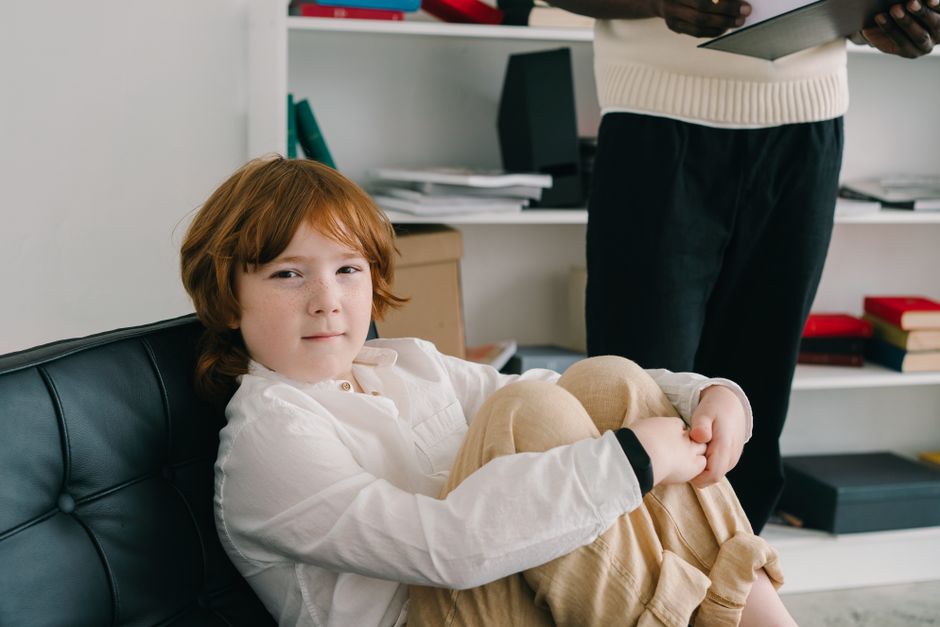
If your autistic child won’t sleep, you are not alone — and you are not doing anything wrong. Sleep problems are one of the most common concerns reported by families of autistic children. Research consistently shows that autistic children experience insomnia, difficulty falling asleep, and night waking at higher rates than non-autistic children. The reasons are usually a mix of biology, sensory processing, routine, and anxiety — not a parenting failure. The good news is that several approaches have real evidence behind them, and most families can make meaningful progress.
Why Your Autistic Child Wont Sleep: What’s Actually Going On
Sleep is not a single on-off switch. It depends on a complex system involving brain chemistry, light exposure, body temperature, sensory input, and routine. In autistic children, several of these systems can work differently.
Melatonin is the hormone that signals the body it is time to sleep. Some research suggests that melatonin regulation may differ in autistic children — either the timing of release, the amount produced, or how the body responds to it. This is one reason sleep-onset problems (trouble falling asleep) are so common.
Sensory processing differences also play a large role. A child who is hypersensitive to sound may be kept awake by a refrigerator hum, a sibling breathing, or traffic outside. A child who is hyposensitive may seek movement or pressure to feel settled — which makes lying still in a dark room genuinely uncomfortable.
Anxiety is another major factor. Many autistic children experience higher baseline anxiety, and bedtime — with its darkness, quiet, and separation from preferred activities — can trigger worry rather than calm.
None of this means sleep is impossible. It means the standard advice (“just establish a routine”) often is not enough on its own. The approach usually needs to match the specific reason your child is not sleeping.
How Do I Know What’s Causing My Child’s Sleep Problems?
Before changing anything, it helps to understand the pattern. A sleep diary kept for one to two weeks can reveal more than memory alone.
Track these details:
- What time your child actually falls asleep (not just when they get into bed)
- How many times they wake and what they do when they wake
- What time they wake in the morning
- Whether they seem tired during the day
- What happened before bed — screen time, physical activity, food, stressful events
- Whether they snore, breathe through their mouth, or pause breathing during sleep
That last point matters. Sleep-disordered breathing — including obstructive sleep apnea — is more common in autistic children than in the general pediatric population, and it can look like resistance to sleep rather than a breathing problem. If your child snores heavily, gasps, or seems to stop breathing briefly, that warrants a conversation with a doctor, because it is a medical issue that behavioral strategies will not fix.
Other medical possibilities worth ruling out include iron deficiency (which is associated with restless sleep and periodic limb movements), reflux, eczema, and chronic ear or sinus problems. These are not rare in autistic children, and they can quietly sabotage sleep no matter how good the routine is.
What Sleep Strategies Have Evidence Behind Them?
Behavioral approaches are the most studied non-medication option for autistic children with insomnia. The general goal is to strengthen the connection between the bed, the bedroom, and sleep — and to reduce the things that accidentally reward staying awake.
Key components that appear repeatedly in the research:
- Consistent wake time. A fixed morning wake time, seven days a week, helps anchor the body clock more than a fixed bedtime does.
- A predictable wind-down. The same short sequence of calm activities every night, in the same order, signals that sleep is coming.
- Sleep-onset association changes. If your child can only fall asleep with a parent present, a specific show, or a particular blanket arrangement, they may need those same conditions to fall back asleep during normal night wakings. Gradually shifting what they need to fall asleep can reduce night waking over time.
- Dim light in the evening. Bright light — including from screens — suppresses melatonin. Reducing light exposure in the hour or two before bed is a low-cost change with a reasonable physiological basis.
- Daytime activity and outdoor light. Morning daylight and physical activity help set the body clock and increase sleep pressure by bedtime.
These strategies work best when adapted to your child. A visual schedule, a social story about bedtime, or a picture-based routine can help a child who responds better to visual than verbal information.
One clarification worth making: weighted blankets are widely marketed for sleep, and some parents report they help. The evidence for weighted blankets specifically improving sleep in autistic children is limited and mixed. Some studies suggest benefit for anxiety or settling, but results for measured sleep outcomes have not been consistent. If you try one, safety matters — a blanket must be light enough that a child can remove it themselves, and they are not recommended for very young children or anyone who cannot independently get out from under it.





Does Melatonin Help Autistic Children Sleep?
Melatonin is the most studied supplement for sleep in autistic children, and the evidence is stronger here than for most supplements. Some studies indicate that melatonin can reduce the time it takes autistic children to fall asleep and may increase total sleep time.
That said, “studied” does not mean “risk-free” or “right for every child.” Melatonin is a hormone, not a vitamin. It can interact with other medications, and appropriate dosing varies by age and situation. A clinician familiar with your child should guide the decision — especially if your child takes other medications or has a seizure disorder, since melatonin can interact with some anti-seizure drugs.
Melatonin is not a substitute for behavioral strategies. In many cases it is most useful alongside them, not instead of them. And it does not address the sensory or anxiety drivers that may be keeping your child awake in the first place.
If you are considering melatonin, talk to your child’s doctor first. Do not start it based on what worked for another family.
When Should I Get Professional Help?
If sleep problems have lasted more than a few weeks, are affecting your child’s daytime behavior or learning, or are wearing down the whole household, it is reasonable to bring it up with a doctor. You do not need to wait for a crisis.
Consider seeking help sooner if:
- Your child snores heavily, gasps, or pauses breathing during sleep
- Your child seems excessively sleepy during the day despite adequate time in bed
- Sleep problems started or worsened after a medication change
- Your child shows signs of iron deficiency, such as unusual fatigue or restless legs
- Your child’s anxiety around bedtime is severe or escalating
A pediatrician, developmental-behavioral pediatrician, or sleep specialist can help sort out whether the issue is behavioral, medical, or both. Some children benefit from a referral to a sleep clinic, particularly if sleep-disordered breathing is suspected.
Behavioral sleep specialists and some occupational therapists also work with families on sensory-based sleep strategies. This is not a widely standardized service, so availability varies by region — but it is worth asking about.
What Can Parents Do Tonight?
Start with one change, not five. Pick the single factor you think matters most — a consistent wake time, dimmer evenings, or a shorter wind-down — and hold it steady for at least two weeks before judging whether it helps.
Keep the sleep diary going so you can see patterns instead of relying on how a single night felt. Sleep problems rarely resolve overnight, and progress often shows up as small shifts: falling asleep ten minutes faster, waking one fewer time.
Take care of your own sleep too. Parent sleep deprivation is real, and it makes every decision harder. If you can share night duties or trade off mornings, do it.
You do not have to solve this alone, and you do not have to solve it all at once. The combination of accurate information, a consistent approach, and the right professional support helps most families move forward.
Frequently Asked Questions
Why does my autistic child struggle to fall asleep?
Common reasons include differences in melatonin timing, sensory sensitivities that make the bedroom uncomfortable, and bedtime anxiety. Sleep-disordered breathing and iron deficiency are also more common in autistic children and can interfere with sleep onset.
Is melatonin safe for autistic children?
Melatonin is the most studied sleep supplement for autistic children and some studies suggest it can help with falling asleep. It is a hormone that can interact with other medications, so a clinician should guide the decision and dose rather than a parent starting it alone.
Do weighted blankets help autistic children sleep?
The evidence is limited and mixed — some studies suggest benefits for settling or anxiety, but measured sleep outcomes have not been consistent. If you try one, choose a weight your child can remove themselves, and avoid them for very young children.
When should I see a doctor about my child’s sleep?
See a doctor if sleep problems last more than a few weeks, affect daytime behavior, or wear down the household. Seek help sooner if your child snores heavily, gasps, pauses breathing during sleep, or seems excessively sleepy during the day.
