
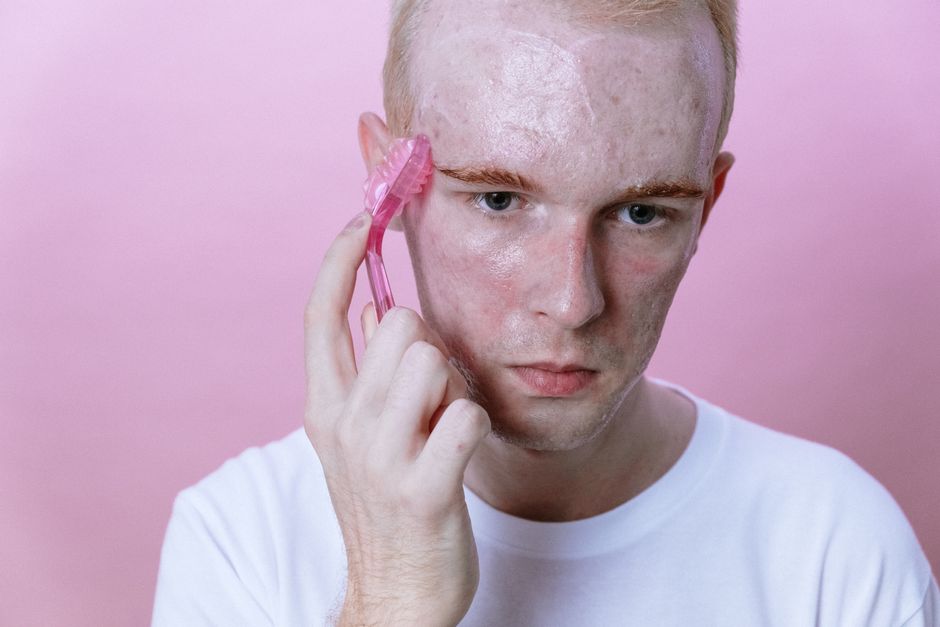
Neck acne is not the same as facial acne, and it often has different causes. The skin on your neck is thinner and more sensitive than the skin on your face, yet it is constantly exposed to friction, sweat, and hair products. If you are suddenly breaking out along your jawline, hairline, or the back of your neck, the trigger is usually something touching that specific area — not a sudden change in your hormones or diet.
Why Is Acne Forming Specifically On Your Neck?
Acne forms when a hair follicle becomes clogged with oil and dead skin cells. This process happens all over your body, but the neck has unique features that make it prone to breakouts.
The neck has a high density of sebaceous glands, which produce oil. At the same time, the skin there is constantly rubbing against collars, jewelry, seatbelts, and even your own chin when you look down at a phone. That friction traps oil and bacteria against the skin. When combined with sweat, the mixture creates the perfect environment for clogged pores.
Neck acne also tends to heal slower and leave more marks than facial acne. The skin is thinner and has less underlying fat, so inflammation can sit closer to the surface. This makes the pimples look angrier and last longer than you might expect.
Is It Acne Or Something Else?
Not every bump on your neck is acne. Before you change your entire skincare routine, it is worth understanding what you are actually dealing with.
Folliculitis is one of the most common lookalikes. This is an infection or inflammation of the hair follicle itself, often caused by bacteria or yeast. It appears as small red bumps or pus-filled pimples, commonly on the back of the neck where hair grows. It can be triggered by shaving, tight collars, or hot tubs.
Pseudofolliculitis barbae, sometimes called razor bumps, happens when shaved hairs curl back into the skin. This is common in men with curly hair who shave their neck. The bumps look like acne but are actually ingrown hairs.
Keratosis pilaris can also appear on the neck. This is a harmless condition where dead skin cells plug hair follicles, creating rough, bumpy patches. It is more common on the backs of the upper arms and thighs, but it can appear on the neck as well.
If your bumps are itchy, appear in clusters, or do not respond to typical acne treatments, they may not be acne at all. A dermatologist can tell the difference by looking at the bumps under magnification.
What Habits Are Causing Your Neck Breakouts?
Most neck acne comes down to everyday habits that you may not connect to your skin. Here are the most common culprits.
Hair Products
Conditioner, hair oil, dry shampoo, and styling products rinse down your neck and shoulders. Many of these products contain ingredients that are highly comedogenic, meaning they clog pores. Ingredients like coconut oil, shea butter, and certain silicones are common offenders. If you break out along your hairline or the back of your neck, your hair products are the first thing to examine.
Friction And Pressure
Collars, ties, scarves, bra straps, and necklace chains all trap sweat and oil against the neck. This is called acne mechanica — acne caused by heat, pressure, and friction. Athletes who wear helmets or shoulder pads often develop this type of acne. Even sleeping on a rough pillowcase can irritate the neck.
Phone Use
Holding your phone between your ear and shoulder traps the device against your neck. The screen and case collect oil, bacteria, and dead skin cells over the course of the day. Pressing that surface against your neck for long periods transfers all of it directly into your pores.
Sweat Left On The Skin
Sweat itself does not cause acne, but sweat mixed with oil and dead skin cells does. When sweat evaporates, it leaves behind salts and debris on the skin surface. If you do not wash your neck after a workout or a hot day, those residues sit in your pores and contribute to blockages.





How To Treat Neck Acne At Home
Treatment for neck acne follows the same principles as facial acne, but with extra caution because neck skin is more sensitive.
Start with a gentle cleanser. Wash your neck daily, and always wash it after sweating. Look for a cleanser with salicylic acid, which helps unclog pores, or benzoyl peroxide, which kills acne-causing bacteria. If you have sensitive skin, use benzoyl peroxide at a low concentration like 2.5 percent rather than higher strengths.
Use a non-comedogenic moisturizer. Many people with acne skip moisturizer because they fear it will make breakouts worse. But when you use acne treatments that dry the skin, your skin may produce more oil to compensate. A lightweight, oil-free moisturizer keeps the skin barrier intact.
Consider a leave-on treatment containing adapalene. This is a retinoid that was previously prescription-only but is now available over the counter. It works by normalizing the way skin cells shed, preventing pores from becoming clogged. It takes 8 to 12 weeks to see full results, and it can cause dryness and peeling at first.
Apply any acne treatment to the neck after cleansing and before moisturizer. Start with a small amount every other night to let your skin adjust. Never apply multiple strong acne treatments at the same time unless a dermatologist has directed you to do so.
When To See A Dermatologist
Home treatment is reasonable if your neck acne is mild and occasional. But some situations warrant a professional evaluation.
See a dermatologist if your acne is painful, deep, or leaving permanent dark marks or scars. Also seek care if over-the-counter treatments have not improved your skin after 8 to 12 weeks of consistent use.
A dermatologist can prescribe stronger treatments. These may include topical antibiotics, oral antibiotics, or prescription-strength retinoids. For women, hormonal therapies like spironolactone or certain birth control pills may be options if the acne appears related to hormone fluctuations. Isotretinoin, a powerful oral retinoid, is reserved for severe, scarring acne that has not responded to other treatments.
If your breakouts are actually folliculitis rather than acne, the treatment is different. Bacterial folliculitis may require an antibacterial wash or topical antibiotic. Fungal folliculitis, caused by yeast, requires antifungal treatment. Using regular acne products on fungal folliculitis will not help and may make it worse.
What Not To Do With Neck Acne
Some common habits make neck acne worse, even when they seem like reasonable responses to breakouts.
Do not scrub your neck aggressively. Exfoliating with harsh scrubs or brushes irritates the skin and worsens inflammation. The neck does not need vigorous physical exfoliation.
Do not pop or pick the pimples. Popping pushes bacteria deeper into the skin and increases the risk of scarring. The neck is a highly visible area, and marks from picking can take months to fade.
Do not apply thick, heavy creams or ointments to the area. Products designed for very dry body skin often contain heavy oils that clog pores.
Do not assume that stronger is better. Applying 10 percent benzoyl peroxide when 2.5 percent is not working will not speed up results. It will only cause more irritation, which can trigger more breakouts.
Preventing Future Neck Breakouts
Prevention is about reducing the contact between your neck and the things that clog your pores.
Wash your neck after workouts and on hot days. If you cannot shower immediately, keep a pack of gentle cleansing wipes on hand.
Change your pillowcase at least once a week. Pillowcases collect oil, skin cells, and hair product residue. Your neck presses against the pillowcase for hours every night.
Rinse your neck thoroughly after using hair conditioner or hair masks. Tilt your head back when rinsing so the products wash away from your body rather than down your neck and back.
Wear looser collars when you are not at work. Giving your neck time without friction allows irritated follicles to heal.
Clean your phone screen daily with an alcohol wipe. This removes the oil and bacteria that transfer to your skin during calls.
Shave carefully if you shave your neck. Use a sharp razor, shave in the direction of hair growth, and use a soothing shaving cream. Shaving against the grain increases the risk of ingrown hairs.
Frequently Asked Questions
Why do I only get acne on my neck and not my face?
Neck acne is usually triggered by local factors like friction from collars, hair product residue, or sweat trapped against the skin. These factors do not affect your face the same way.
Can hair products cause neck acne?
Yes, conditioners, styling creams, and hair oils can rinse down onto the neck and clog pores. Check your product labels and rinse your neck thoroughly after washing your hair.
How long does neck acne take to clear up?
With consistent use of appropriate treatments, mild acne typically improves within 4 to 8 weeks. Deeper or more inflamed acne may take 8 to 12 weeks to show meaningful improvement.
Is neck acne caused by poor hygiene?
No, acne is not caused by being dirty. Overwashing can actually make it worse by stripping the skin and triggering excess oil production.
