
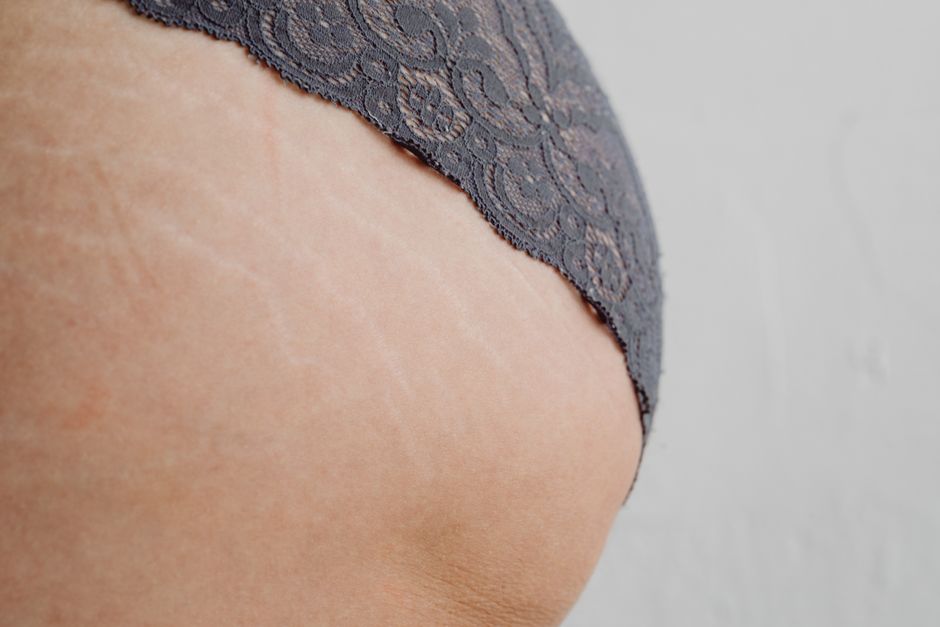
If you are finding red bumps on your buttocks, the most likely cause is not acne at all. It is a condition called folliculitis, which is inflammation or infection of the hair follicles. True acne on the buttocks is uncommon because the skin there has relatively few oil glands compared to the face and back. Folliculitis, on the other hand, is very common in this area because friction, sweat, and tight clothing all irritate the hair follicles.
What Is Folliculitis and Why Does It Happen on Your Butt?
Folliculitis means inflammation of one or more hair follicles. A hair follicle is the small pocket in your skin that holds the root of a hair. When that follicle gets irritated, blocked, or infected, it becomes red, swollen, and sometimes filled with pus.
Your buttocks are a perfect environment for this. The skin there is thick, it bears your body weight when you sit, and it is covered by clothing most of the day. Hair follicles in this area get rubbed, sweaty, and pressed against fabric for hours at a time.
The most common trigger is a bacteria called Staphylococcus aureus. This bacterium lives harmlessly on many people’s skin. But when it gets into a hair follicle through a small break or irritation, it can cause an infection. Other causes include friction from tight clothing, prolonged sitting, and trapped sweat.
There is also a type called Pseudomonas folliculitis, often linked to hot tubs or poorly maintained pools. This form tends to appear as a rash of bumps in areas covered by a swimsuit, including the buttocks, and usually shows up within a day or two of exposure.
Why You Are Getting Butt Acne Its Probably Folliculitis
Acne and folliculitis can look almost identical, but they are different conditions with different causes. Acne develops when oil glands and dead skin cells block a pore, often with the involvement of a bacterium called Cutibacterium acnes. Folliculitis develops when a hair follicle becomes inflamed or infected, most often by Staphylococcus aureus.
The buttocks do not have many oil glands. That is the key reason true acne is rare there. Folliculitis, however, does not need oil glands. It only needs hair follicles, and your buttocks have plenty of those.
Here is a comparison that may help you tell them apart:
| Feature | Folliculitis | Acne |
|---|---|---|
| Main cause | Inflammation or infection of a hair follicle | Blocked pore involving oil glands |
| Common location | Buttocks, thighs, armpits, beard area | Face, chest, upper back |
| Appearance | Small red bumps or pus-filled bumps centered on a hair | Blackheads, whiteheads, deeper cysts |
| Trigger | Friction, sweat, tight clothing, shaving, hot tubs | Hormones, oil production, bacteria |
One detail that is easy to miss: if you can see a hair in the center of a bump, that points toward folliculitis rather than acne. This is not a perfect test, but it is a useful clue.
What Does Butt Folliculitis Look and Feel Like?
Folliculitis usually appears as small, red bumps around hair follicles. They may be tender or itchy. Some fill with pus and look like tiny pimples. In more serious cases, the bumps can grow larger and become painful boils or abscesses.
Most cases are mild and clear up on their own within a week or two with basic care. But some signs mean you should see a doctor:
- The bumps are spreading or getting worse
- You have a boil that is large, painful, or draining pus
- You have a fever or feel unwell
- The condition keeps coming back
- You have a weakened immune system
These signs matter because a deep infection can spread. A doctor can check whether the cause is bacterial, fungal, or something else, and treat it correctly.
-
 Why You Are Getting So Much Acne On Your Neck?
 -
Which Skin Care Product Removes Impurities from the Skins Surface?
-
How to Render Beef Tallow for Skin Care? Tips You Can Try
-
Should You Do Skin Care Before or After Shower? What to Know
-
PrimeBiome Reviews, Official Website, And Is It Even Legit? (2025 Update)




What Actually Causes Folliculitis to Flare Up?
Several factors make folliculitis more likely. Understanding them helps you reduce your risk without guessing.
- Friction: Tight clothing, sitting for long periods, and rough fabric rub against hair follicles and irritate them.
- Sweat: Trapped moisture softens the skin and makes it easier for bacteria to get into follicles.
- Shaving or waxing: These can damage follicles and let bacteria in.
- Hot tubs and pools: Poorly maintained water can harbor Pseudomonas bacteria.
- Antibiotics or steroid creams: These can change the skin’s normal bacteria and allow overgrowth.
- Medical conditions: Diabetes, obesity, and a weakened immune system raise the risk.
One point worth clarifying: folliculitis is not contagious in the usual sense. You cannot catch it from someone the way you catch a cold. However, the bacteria involved can spread from one follicle to another on your own skin, especially if you scratch or pick at the bumps.
How Is Butt Folliculitis Treated?
For mild cases, basic self-care is often enough. Keep the area clean with a gentle cleanser. Wear loose, breathable clothing. Avoid sitting in wet swimwear for long periods. Do not scratch, squeeze, or pick at the bumps, because that can push bacteria deeper and cause a worse infection.
Warm compresses can help relieve tenderness and encourage a boil to drain. If the condition does not improve within a few days, or if it keeps returning, see a doctor.
For bacterial folliculitis, a doctor may prescribe a topical antibiotic cream or, in more stubborn cases, oral antibiotics. For fungal folliculitis, antifungal treatment is used instead. The right treatment depends on the cause, which is why a proper diagnosis matters.
There is no single home remedy proven to cure folliculitis. Some people find that antibacterial washes help, but the evidence for most over-the-counter products is limited. If you are unsure what is causing your bumps, a doctor or dermatologist is the most reliable source of guidance.
How Can You Prevent Butt Folliculitis?
Prevention focuses on reducing friction, sweat, and bacterial buildup. These steps are simple and based on common clinical advice:
- Shower after sweating, especially after workouts.
- Change out of wet swimwear or damp clothing promptly.
- Wear loose-fitting, breathable fabrics like cotton.
- Avoid sharing towels, razors, or bath sponges.
- If you shave the area, use a clean razor and shave in the direction of hair growth.
- Keep hot tubs and pools properly chlorinated and maintained.
If you get folliculitis often, it may help to keep the skin dry and avoid prolonged sitting on hard or sweaty surfaces. Some clinicians recommend antibacterial body washes for people who get repeated infections, though this is not universally supported by strong trial evidence.
When Should You See a Doctor?
See a doctor if the bumps are severe, spreading, or not improving after a few days of basic care. You should also seek medical attention if you develop a large, painful boil, a fever, or red streaks spreading from the area. These can be signs of a deeper infection that needs treatment.
If you have diabetes, a weakened immune system, or a history of recurrent skin infections, do not wait. Early treatment can prevent complications.
It is also worth seeing a doctor if you are not sure whether your bumps are folliculitis or something else. Conditions like hidradenitis suppurativa, which causes painful lumps in skin folds, can look similar and need different care. A correct diagnosis saves time and prevents the wrong treatment.
Frequently Asked Questions
Is butt acne actually folliculitis?
Yes, in most cases what people call butt acne is folliculitis, which is inflammation or infection of hair follicles. True acne is uncommon on the buttocks because that skin has few oil glands.
What causes folliculitis on the buttocks?
Common causes include friction from tight clothing, trapped sweat, shaving, and bacterial infection, most often by Staphylococcus aureus. Hot tubs and poorly maintained pools can also cause a form called Pseudomonas folliculitis.
How do I get rid of folliculitis on my butt?
Mild cases often clear with gentle cleansing, loose clothing, and avoiding picking or squeezing the bumps. If it does not improve in a few days or keeps returning, see a doctor for proper treatment.
Can folliculitis go away on its own?
Mild folliculitis often resolves on its own within a week or two with basic care. More severe or recurring cases may need prescription treatment, so see a doctor if it persists or worsens.
