
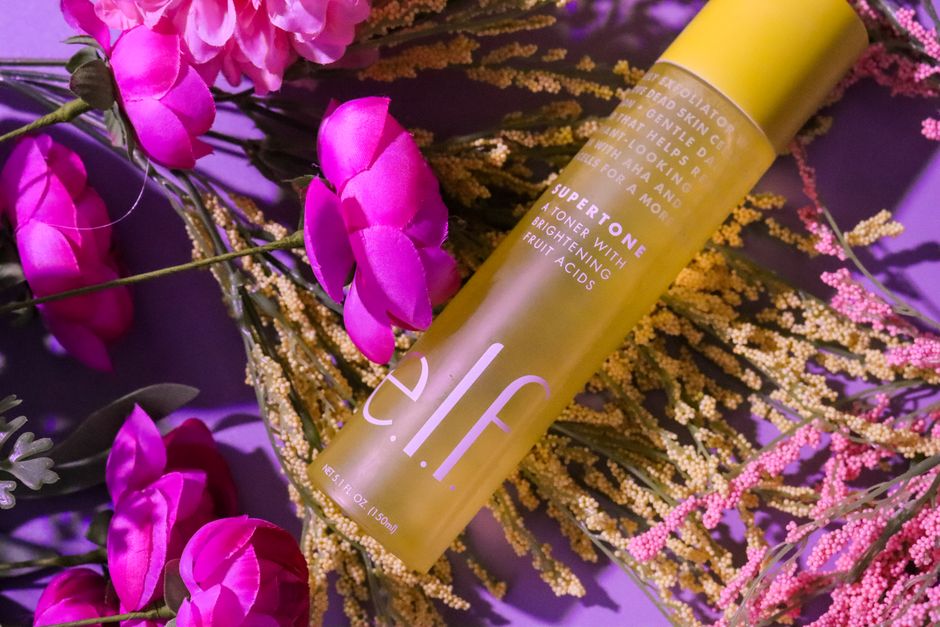
Most people picture a bottle of scented liquid you swipe on with a cotton pad after washing your face. That image is decades out of date. A toner skin care product is simply a watery liquid applied after cleansing and before moisturizer, and modern versions are built around hydration, gentle exfoliation, or soothing ingredients rather than the harsh astringents of the past. The name stuck even though the formulas changed completely.
What Is a Toner Skin Care Product Actually Supposed to Do?
A toner is a lightweight liquid layer that sits between cleansing and moisturizing. That position in your routine is the whole point.
Cleansing strips some of the skin’s natural oils and can leave the surface slightly alkaline. Skin normally sits at a mildly acidic pH, generally around 4.5 to 5.5. Some toners are formulated to help nudge the surface back toward that range. Whether every toner does this well depends entirely on its ingredients, not on the word “toner” on the label.
The bigger job most modern toners perform is adding water-based hydration. Moisturizers usually rely on oils and occlusives to seal water in. Toners deliver humectants — ingredients that attract and hold water — to the outer layer first. Glycerin is the most common and one of the best studied.
Here is the part most people never hear. A toner cannot shrink your pores. Pore size is largely determined by genetics, oil production, and age. No topical product changes the actual structure of a pore. What toners can do is make pores look smaller by clearing debris and temporarily plumping the surrounding skin. That is a visual effect, not a structural one.
Why Did Toners Get a Bad Reputation?
Older toners were essentially diluted alcohol with fragrance. They were marketed as astringents to remove every trace of oil and “tighten” the skin. That tight feeling was the product working against your skin, not for it.
Alcohol-heavy toners can disrupt the skin barrier. The barrier is the outer layer that keeps water in and irritants out. When it is compromised, skin can become dry, red, and more reactive. For some people this triggers a cycle: skin feels tight, so they apply more toner, which dries it further.
This is why so many people over 40 remember toners as something that stung. The category earned that reputation honestly. Many products sold today still contain high concentrations of alcohol, particularly those labeled for oily or acne-prone skin. The label “toner” tells you nothing about whether a formula is gentle or harsh. The ingredient list does.
What Ingredients Should You Look For or Avoid?
The ingredient list is the only reliable guide. Marketing terms like “purifying” or “refreshing” carry no regulated meaning.
Ingredients generally supported by evidence for hydration or soothing:
- Glycerin — a humectant with a long safety record
- Hyaluronic acid — holds water in the upper skin layers
- Panthenol (provitamin B5) — used for soothing
- Centella asiatica — studied for calming irritated skin
- Niacinamide — supports the skin barrier; some evidence for oil control
Ingredients to approach with care if your skin is dry or sensitive:
- Denatured alcohol or alcohol denat. listed near the top
- High concentrations of fragrance or essential oils
- Witch hazel with added alcohol
- Menthol and camphor, which create a cooling sensation but can irritate
Exfoliating toners are a separate category. These contain acids such as glycolic, lactic, or salicylic acid. They can be effective, but they are not the same as a hydrating toner and should not be layered carelessly with other exfoliants or retinoids. Overuse is a common cause of irritated skin.




Do You Actually Need a Toner?
No. A toner is optional. It is not a required step for healthy skin, and no guideline recommends it as essential.
That is the honest answer, and it is the one most articles avoid. Cleanser, moisturizer, and sunscreen form the core routine that dermatologists broadly agree on. A toner adds a step that may help certain people and does nothing for others.
A toner might be worth trying if your skin feels tight after cleansing, if you want lighter hydration in humid weather, or if you use an exfoliating acid and want it in a gentler format. It is unlikely to add much if you already use a well-formulated moisturizer and your skin feels comfortable.
One clarification worth making: “toner” and “essence” are not the same thing, though the terms overlap in marketing. Essences originated in Korean beauty routines and tend to be lighter and more hydrating. Toners historically focused on balancing or removing residue. Today the lines have blurred enough that the distinction often means little.
How Should You Use a Toner in Your Routine?
Apply it after cleansing and before moisturizer. That order is consistent across nearly all product instructions and makes sense based on how the layers work.
You can apply with clean hands, a cotton pad, or by misting. Hands are fine and waste less product. A cotton pad can help if you want a mild physical sweep, but it is not necessary.
Pat or press the product into slightly damp skin rather than letting it fully dry first. Applying humectants to damp skin and then sealing with moisturizer helps hold that water in. Letting a toner dry completely before moisturizing works against the purpose.
If you use an exfoliating acid toner, start less often than you think you need to. Once or twice a week is a reasonable starting point for many people. Daily use of strong acids is where irritation usually begins, and irritation can look like the problem you were trying to fix.
Does Toner Help With Acne, Aging, or Large Pores?
For acne, some toners contain salicylic acid, which has evidence for unclogging pores. But a toner is not a treatment for moderate or severe acne, and it should not replace care from a clinician. Mild acne may respond to over-the-counter options, including salicylic acid products.
For aging, there is no evidence that toner itself reduces wrinkles or firms skin. Ingredients within a toner might have some supporting evidence, but the format does not add anything a serum or moisturizer with the same ingredient would not. This is a case where the delivery method matters less than what is being delivered.
For large pores, as noted earlier, no topical product changes pore size. Toners can make pores appear less noticeable by keeping them clear, but the effect is temporary and cosmetic.
Be skeptical of any toner claiming to detox, purify, or rebalance your skin’s energy. Skin does not accumulate toxins that a liquid can remove. That language is marketing, not physiology.
Are There Risks to Using Toner?
Irritation is the main risk, and it usually comes from alcohol, fragrance, or acids. Signs include redness, stinging, flaking, or a feeling of tightness that does not go away.
If that happens, stop using the product. Most mild irritation from a topical product settles within days once the trigger is removed. If irritation is severe, spreading, or does not improve, that warrants medical attention.
People with eczema, rosacea, or a compromised skin barrier should be especially cautious with toners containing acids or alcohol. Fragrance-free, alcohol-free formulas are the safer starting point for reactive skin.
One more point on expectations. Skincare products are not regulated the way medications are. A toner can be sold without any proof that it does what the label claims. That does not make all toners useless, but it does mean the burden of judgment falls on you and the ingredient list.
Frequently Asked Questions
Is toner necessary for healthy skin?
No, toner is an optional step and not required for healthy skin. A basic routine of cleanser, moisturizer, and sunscreen covers what most dermatologists consider essential.
Can toner actually shrink your pores?
No, no topical product changes the actual size of your pores, which is largely genetic. Toners can make pores look smaller by clearing debris and temporarily plumping the skin around them.
What is the correct order for applying toner?
Apply toner after cleansing and before moisturizer. It works best pressed into slightly damp skin, followed by moisturizer to seal in hydration.
Is alcohol-free toner better for your skin?
For most people, yes, especially if your skin is dry or sensitive. Alcohol-heavy toners can disrupt the skin barrier and cause dryness or irritation over time.
