
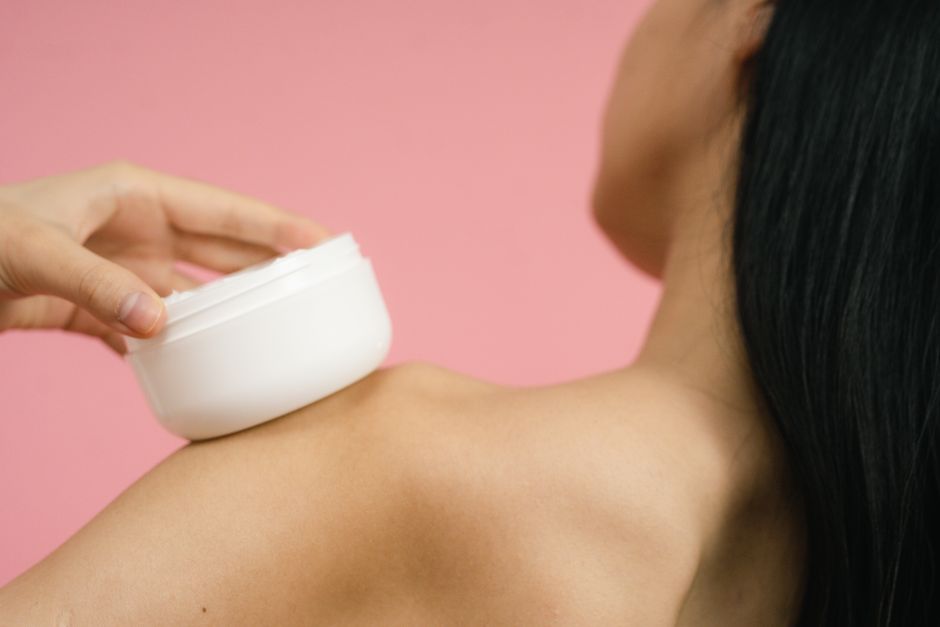
Cleansers are the skin care products designed to remove impurities from the skin’s surface. A proper cleanser lifts away dirt, excess oil, sweat, and makeup without stripping the skin of its natural moisture barrier. While exfoliants and masks also help, a daily facial cleanser is the first and most important step for keeping the surface of your skin clean.
What Does a Cleanser Actually Do to Your Skin?
Your skin collects more than just visible dirt throughout the day. Dead skin cells, environmental pollutants, sebum, and residual cosmetics build up on the outermost layer called the stratum corneum. If left alone, this mixture can clog pores and make the skin look dull.
Cleansers work through surfactants — molecules that grab both oil and water. One end of the molecule binds to oil and dirt on your skin. The other end binds to water. When you rinse, the surfactant lifts those impurities off your face and washes them down the drain.
This is different from simply wiping your face with water. Water alone cannot dissolve the oils that trap dirt against your skin. A cleanser breaks that bond so impurities actually leave the surface rather than just moving around.
What Types of Cleansers Remove Impurities Best?
Not all cleansers work the same way. The best choice depends on your skin type and the type of impurities you are dealing with.
Gel and Foam Cleansers
These are water-based and create a lather when mixed with water. They are effective at removing excess oil and sweat. People with oily or combination skin often prefer them because they leave the skin feeling fresh and clean.
Gel cleansers can strip natural oils if used too aggressively. If your skin feels tight or looks flaky after washing, the cleanser may be too strong for your skin type.
Cream and Milk Cleansers
These contain more emollients and moisturizing ingredients. They gently lift impurities while leaving a layer of hydration behind. Dry or sensitive skin types usually tolerate these better than foaming formulas.
Cream cleansers remove light makeup and daily grime well. They are less effective at dissolving heavy, waterproof makeup on their own.
Oil Cleansers and Balms
Oil attracts oil. Oil-based cleansers dissolve sebum, sunscreen, and stubborn makeup more effectively than water-based products. They are especially useful as the first step in a double-cleansing routine.
Oil cleansers are rinsed off with water and typically emulsify into a milky texture. They leave no greasy residue when formulated correctly.
Micellar Water
Micelles are tiny oil molecules suspended in water. When applied with a cotton pad, they attract dirt and oil without requiring a rinse. This is a convenient option for quick cleansing or for very sensitive skin.
Most dermatologists still recommend a water rinse after micellar water. The surfactants left on the skin can cause irritation if left on for long periods.
Which Skin Care Product Removes Impurities from the Skins Surface Without Damaging It?
The key is choosing a cleanser that matches your skin’s needs. A gentle, pH-balanced cleanser removes impurities while preserving the acid mantle — the thin protective layer on your skin’s surface.
Healthy skin has a pH around 4.5 to 5.5. Cleansers with a higher pH can disrupt this balance and leave skin vulnerable to irritation and dryness. Look for products labeled pH-balanced or gentle.
Research consistently shows that harsh cleansers can increase water loss from the skin and impair its barrier function. A damaged barrier means more irritation, redness, and sensitivity over time — even if the skin feels very clean right after washing.
For most people, washing twice daily with a gentle cleanser is enough. If you wear heavy makeup or sunscreen, consider double cleansing in the evening. Start with an oil-based product to break down those layers, then follow with a water-based cleanser to remove remaining residue.




Do Exfoliants and Masks Count as Cleansers?
Exfoliants remove dead skin cells from the surface, but they are not daily cleansers. Physical scrubs use small particles to manually slough off dead cells. Chemical exfoliants use acids like salicylic acid or glycolic acid to dissolve the bonds between dead skin cells.
Masks can draw out impurities or absorb excess oil. Clay masks, for example, are popular for oily skin because clay binds to oil and pulls it from the surface. However, masks are used periodically — typically once or twice a week — not as a daily cleansing step.
Neither exfoliants nor masks replace a daily cleanser. They complement it. Your routine should always begin with cleansing, whether you plan to exfoliate, mask, or apply treatment products afterward.
What About Makeup Wipes and Toners?
Makeup wipes are convenient but generally not sufficient as a sole cleansing method. Studies have found that wipes can leave makeup residue behind and the friction from wiping can irritate the skin. They are best reserved for emergencies or travel, not as your primary routine.
Toners are sometimes marketed as cleansers, but they do not actually wash the skin. Most toners are designed to rebalance pH or deliver active ingredients after cleansing. Some astringent toners contain alcohol and can dry the skin out further.
If you use a toner, apply it after cleansing to clean skin. It should not be used in place of washing your face.
How to Tell If Your Cleanser Is Working
After washing, your skin should feel clean but not tight. It should not look red, feel itchy, or develop breakouts shortly after use. If your skin feels comfortable and looks clear, the cleanser is doing its job.
Signs that your cleanser is too harsh include:
- Tightness or pulling sensation after rinsing
- Flaking or peeling within hours of washing
- Increased redness or sensitivity
- Breakouts in areas where you did not previously have them
Signs that your cleanser is not removing enough include:
- Visible makeup residue on a cotton pad after cleansing
- Persistent blackheads or congested pores
- A greasy film left on the skin
If your current cleanser leaves your skin feeling stripped, switch to a gentler formula. If it leaves residue behind, you may need a stronger cleanser or a double-cleansing approach.
What Ingredients Should You Look For and Avoid?
Gentle cleansers often contain glycerin, ceramides, or hyaluronic acid. These ingredients help maintain hydration while the surfactants remove dirt and oil.
Ingredients to be cautious about include sodium lauryl sulfate (SLS) and high concentrations of alcohol. These can strip the skin barrier and cause irritation, especially in people with sensitive skin. Some people tolerate these ingredients fine, but they are not necessary for effective cleansing.
Fragrance is another potential irritant. Fragrance-free cleansers are generally safer for sensitive skin, though fragrance does not cause problems for everyone.
There is no single best cleanser for every person. Skin type, climate, age, and personal tolerance all play a role. What works for one person may break out another. If you are unsure, a gentle, fragrance-free cleanser formulated for sensitive skin is a reasonable starting point.
Frequently Asked Questions
Can I just rinse my face with water instead of using a cleanser?
Water alone cannot dissolve the oils that trap dirt and impurities against your skin. A cleanser is necessary to properly remove sebum, sweat, makeup, and environmental pollutants from the surface.
How often should I wash my face to remove impurities?
Most dermatologists recommend washing your face twice daily — once in the morning and once before bed. Washing more often can strip the skin barrier and cause irritation.
Are expensive cleansers better at removing impurities than drugstore options?
Price does not determine how well a cleanser removes dirt and oil. The formulation and how it matches your skin type matter far more than the cost of the product.
Is double cleansing necessary to remove impurities effectively?
Double cleansing is only necessary if you wear heavy makeup or waterproof sunscreen. For most people, a single gentle cleanser used correctly removes surface impurities sufficiently.
