
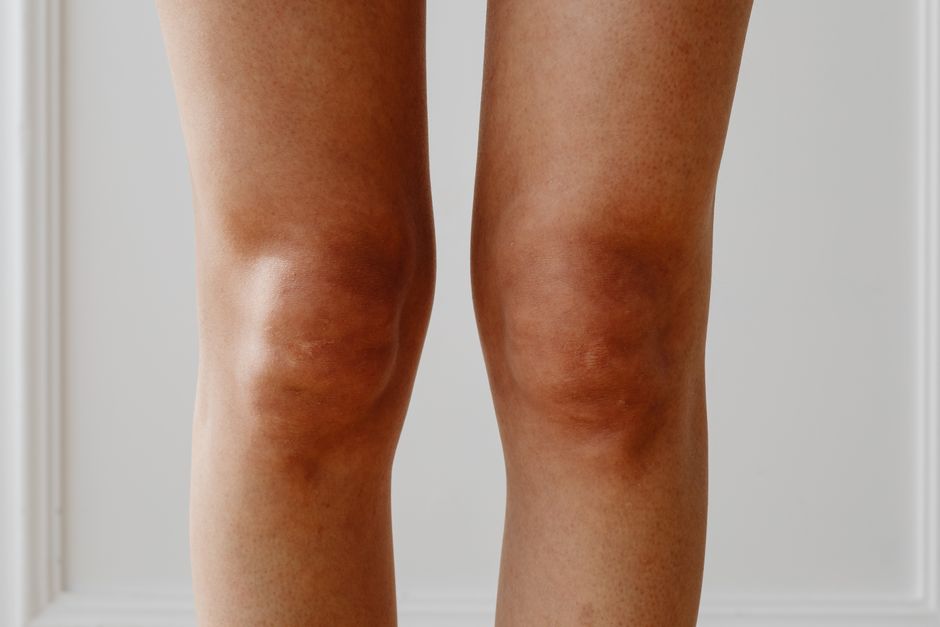
Leg discoloration that turns black or very dark is a serious medical sign. It usually means blood flow in the area is severely restricted or blood has pooled in the tissues. This is not a cosmetic issue. It requires prompt medical evaluation because the underlying causes can threaten the limb or your overall health.
What Does “Black Legs” Actually Mean?
When skin turns black, it is often a sign of tissue death, which doctors call necrosis. The skin and the tissue underneath are dying because they are not getting enough oxygen-rich blood. In some cases, the dark color comes from a buildup of iron from broken-down red blood cells, which happens with chronic venous insufficiency. Both are serious, but they have different causes and treatments.
True black skin is a medical emergency. If the area is cold, numb, or painful, you need urgent care. Do not wait to see if it improves on its own.
Why Would Your Legs Turn Black? Causes And Treatment
The most common cause of a leg turning black is critical limb ischemia. This is the end stage of peripheral artery disease (PAD). Plaque builds up in the arteries, narrowing them until blood can barely pass through. The tissue starves and dies, turning dark. This condition is strongly linked to smoking, diabetes, and high cholesterol.
Another major cause is venous stasis dermatitis that has progressed. Here, the veins in the legs fail to return blood to the heart. Blood pools, pressure builds, and red blood cells leak into the skin. The iron in those cells stains the skin a dark brown that can look almost black over time. This is not sudden tissue death. It develops slowly over months or years.
Treatment depends entirely on which cause is present. For blocked arteries, restoring blood flow is the priority. This may involve angioplasty, stents, or bypass surgery. For venous disease, treatment focuses on compression, elevation, and wound care. In severe cases where tissue has died completely, amputation may be the only option to prevent life-threatening infection.
What Other Conditions Can Darken the Legs?
Several other conditions can cause darkening, and they are not all emergencies. Stasis dermatitis is the early stage of venous disease. The skin becomes red, brown, itchy, and sometimes scaly. It usually starts around the ankles. If treated early with compression stockings and leg elevation, the darkening can be slowed or stopped.
Diabetes can cause a condition called diabetic dermopathy. This produces light brown, scaly patches on the front of the shins. They are harmless and do not require treatment, but they signal that blood sugar control needs attention.
Certain medications can cause skin discoloration. Some antibiotics, heart medications, and anti-inflammatory drugs are known to deposit pigment in the skin. This is rare but possible. If the darkening appeared after starting a new medication, mention it to your doctor.
Infections can also darken skin. A severe bacterial infection like cellulitis can cause the skin to turn purple or black as tissue dies. This is a medical emergency that requires IV antibiotics and often surgical removal of dead tissue.




How Can You Tell the Difference Between Emergency and Chronic?
Speed of onset matters. Sudden blackening, especially with severe pain, is a blocked artery emergency. This is called acute limb ischemia. The leg may feel cold to the touch and you may lose feeling in it. This is a “save the limb” situation that requires immediate hospital care.
Gradual darkening over months is more typical of chronic venous disease. The skin gets progressively darker, often with swelling, itching, and a heavy feeling in the legs. While not an immediate emergency, it still needs medical attention to prevent ulcers and further tissue damage.
Look for these signs that indicate emergency: the leg is cold, you cannot feel your toes, the pain is severe and out of proportion, or there is a foul smell. Any of these warrant a trip to the emergency room.
What Does Treatment Look Like for Blocked Arteries?
When arteries are the problem, the goal is to restore blood flow. Doctors will first do imaging tests like an ultrasound or angiogram to see where the blockage is. If the blockage is short, a balloon angioplasty with a stent may open it. If the blockage is long or severe, bypass surgery may be needed. This uses a vein or synthetic tube to route blood around the blockage.
Medications play a supporting role. Antiplatelet drugs like aspirin help prevent clots. Statins lower cholesterol and stabilize plaque. If you have diabetes, tight blood sugar control is critical. Smoking cessation is the single most important lifestyle change. Continuing to smoke after treatment dramatically increases the risk of the blockage returning.
After blood flow is restored, the blackened tissue may or may not recover. Skin that is only partially damaged can heal. Skin that is fully dead must be removed. Your surgeon will determine this after blood flow is restored.
What Does Treatment Look Like for Venous Disease?
Venous disease treatment is different. The veins themselves cannot be easily repaired, so treatment focuses on managing symptoms and preventing progression. Compression stockings are the foundation. They squeeze the legs, helping the veins push blood upward. They must be fitted properly and worn daily to work.
Leg elevation is also important. Raising your legs above heart level for 30 minutes, several times a day, helps drain pooled blood. Weight management and walking improve the calf muscle pump, which helps push blood through the veins.
For advanced cases, procedures like endovenous laser therapy or sclerotherapy can close off damaged veins. This redirects blood to healthier veins. These procedures are effective for specific vein problems but do not reverse skin discoloration that has already occurred. The staining is permanent, though it may fade somewhat with treatment.
Can the Skin Color Ever Return to Normal?
If the darkening is from venous disease, the iron deposits in the skin are permanent. Treatment can stop further darkening, but the existing color will not fully resolve. Some fading is possible, but complete return to normal skin color is unlikely.
If the darkening is from critical limb ischemia and blood flow is restored quickly, the skin may recover if the tissue has not fully died. Once tissue is dead, it will not come back. That area will need to be removed surgically, and the resulting wound will need time to heal.
What Happens If You Ignore It?
Ignoring black or severely darkened skin on the legs is dangerous. For arterial disease, the tissue will continue to die. Infection can set in, spreading to the bloodstream. This can become life-threatening within days. Sepsis is a real risk.
For venous disease, the skin can break down into open ulcers. These are painful, difficult to heal, and prone to infection. Chronic ulcers can take months to treat and often recur without consistent management.
In either case, early treatment gives you the best chance of saving the leg. The longer you wait, the more tissue is lost and the harder treatment becomes.
Frequently Asked Questions
Can poor circulation alone make your legs turn black?
Yes. Severely blocked arteries can cut off blood flow enough to cause tissue death, which turns the skin black. This is a medical emergency.
Is black skin on the legs always gangrene?
Not always, but it can be. True black skin often indicates dead tissue, but very dark brown staining from chronic vein disease can look similar. A doctor must examine it to tell the difference.
Can compression stockings reverse skin discoloration?
No. They can stop further darkening and prevent ulcers, but they cannot reverse staining that has already occurred. The iron deposits in the skin are permanent.
How quickly does leg discoloration need medical attention?
Sudden blackening with pain or coldness needs emergency care immediately. Gradual darkening over months still needs medical evaluation soon, but it is not an emergency.
