
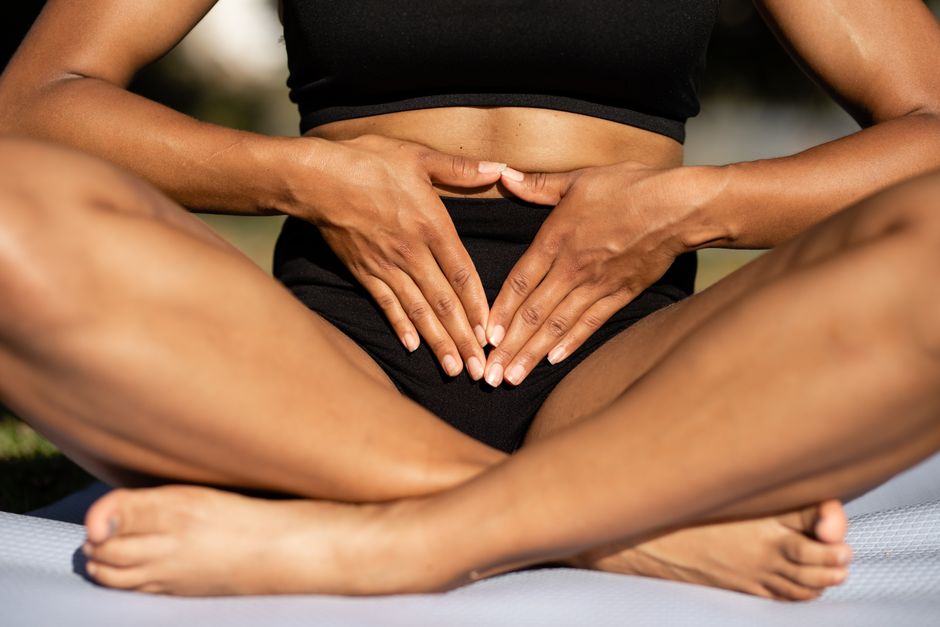
Rectal spasms are sudden, sharp, or cramping pains in the rectum that can be intense but usually brief. For immediate relief, the fastest approaches are to relax the pelvic floor muscles, apply gentle heat, or take a warm sitz bath. Breathing exercises that focus on slow, deep exhales can also help the muscles release, and over-the-counter pain relievers may reduce the discomfort while the spasm passes.
What Causes Rectal Spasms?
Rectal spasms happen when the muscles of the pelvic floor or the anal sphincter contract suddenly and involuntarily. These muscles are supposed to relax and contract in a coordinated way, but sometimes they tighten and stay tight.
Several conditions can trigger this. Levator ani syndrome is one of the most common causes. It involves spasms of the levator ani muscles, which support the pelvic organs. Proctalgia fugax is another. This condition causes sudden, sharp pain that lasts only seconds to minutes and then disappears completely.
Other triggers include constipation, prolonged sitting, stress, anxiety, and certain digestive conditions. In some cases, the cause is never fully identified. The pain can be severe enough to wake someone from sleep, but it is rarely a sign of a life-threatening emergency.
How To Stop Rectal Spasms Immediate Relief Treatment
When a spasm hits, the goal is to get the muscle to relax as quickly as possible. The most effective immediate strategies target the muscle directly.
Warm sitz bath: Sitting in warm water for 10 to 15 minutes can relax the sphincter and pelvic floor muscles. The warmth increases blood flow to the area, which helps the muscle release. This is often the first thing clinicians recommend.
Deep breathing: Slow, deep breaths activate the parasympathetic nervous system, which promotes relaxation. Breathe in through your nose for four counts, then exhale slowly through your mouth for six to eight counts. Focus on letting your pelvic floor drop and soften with each exhale.
Gentle pressure: Some people find relief by applying gentle, steady pressure to the perineum — the area between the genitals and the anus. This can help interrupt the spasm. A warm compress or a small rolled towel can work for this.
Over-the-counter pain relief: Nonsteroidal anti-inflammatory drugs (NSAIDs) like ibuprofen can help reduce pain and inflammation. They do not stop the spasm instantly, but they can take the edge off while the muscle relaxes on its own.
Muscle Relaxation Techniques That Work
Beyond the immediate moment, learning to relax the pelvic floor can reduce how often spasms happen. Many people hold tension in this area without realizing it.
Progressive muscle relaxation is a technique where you deliberately tense and then release different muscle groups. Start with your feet, move up to your legs, then your abdomen, and finally your pelvic floor. This trains your body to recognize the difference between tension and relaxation.
Diaphragmatic breathing is another effective tool. Place one hand on your chest and one on your belly. Breathe so that your belly rises more than your chest. This type of breathing naturally relaxes the pelvic floor because the diaphragm and pelvic floor move together.
Biofeedback therapy is a more structured approach. A therapist uses sensors to show you when your pelvic floor muscles are tense. Over several sessions, you learn to relax them consciously. Some studies suggest this can reduce the frequency and intensity of spasms.





When To See a Doctor
Most rectal spasms are brief and harmless. But some symptoms warrant a medical evaluation.
See a doctor if you experience any of the following:
- Bleeding from the rectum
- Pain that lasts longer than 30 minutes
- Pain accompanied by fever
- Changes in bowel habits that persist
- Spasms that interfere with daily life or sleep regularly
These symptoms could indicate a different condition, such as a fissure, hemorrhoids, or an infection. A doctor can perform a physical exam and determine the actual cause. They may also refer you to a pelvic floor physical therapist, who can provide targeted treatment.
Long-Term Management and Prevention
Immediate relief is important, but reducing the frequency of spasms matters just as much. Several lifestyle changes can help.
Stay hydrated and eat fiber: Constipation is a common trigger. Drinking enough water and eating fiber-rich foods like vegetables, fruits, and whole grains can keep stools soft and reduce straining.
Move regularly: Prolonged sitting puts pressure on the pelvic floor. Taking breaks to stand and walk every hour can help. Regular exercise also promotes healthy bowel function.
Manage stress: Stress and anxiety are known triggers for muscle tension throughout the body, including the pelvic floor. Relaxation practices, therapy, or simply setting aside time to unwind can make a difference.
Pelvic floor physical therapy: This is one of the most effective long-term treatments. A trained therapist can teach you specific exercises to relax and strengthen the pelvic floor. Unlike general exercises, this is targeted and tailored to your specific pattern of tension.
Some clinicians recommend prescription medications for frequent spasms. These may include muscle relaxants, nerve pain medications, or low-dose antidepressants that have pain-modulating effects. These are not first-line treatments, and they require a doctor’s prescription and monitoring.
What Does Not Help
Some popular advice for muscle cramps does not apply well to the rectum. Stretching the area aggressively can make the spasm worse. Forcing a bowel movement during a spasm is also not helpful and can increase pain.
Heat applied directly to the skin without a barrier can cause burns. Always use a cloth or towel between a heating pad and your skin, and limit sessions to 15 to 20 minutes.
There is also no strong evidence that magnesium supplements stop rectal spasms, despite claims found online. While magnesium plays a role in muscle function, no clinical trials have confirmed that supplementation prevents or stops these specific spasms. If you have frequent spasms, talk to a doctor before adding any supplement.
The Difference Between Rectal Spasms and Other Conditions
Rectal spasms can feel similar to other conditions, but they have distinct features.
Hemorrhoids cause pain, itching, and sometimes bleeding. The pain is usually constant rather than spasmodic. Anal fissures cause sharp pain during and after bowel movements. The pain is tied to passing stool, not random spasms.
Inflammatory bowel disease can cause cramping, but it is usually accompanied by diarrhea, blood, or mucus. If your pain is isolated, brief, and not associated with bowel movements, it is more likely a muscle spasm than a structural problem.
Proctalgia fugax specifically is diagnosed when the pain is sudden, severe, brief, and has no identifiable cause. Levator ani syndrome is diagnosed when the pain is more of a dull ache and is associated with tenderness in the pelvic floor muscles.
What the Evidence Shows About Treatment
Clinical evidence for treating rectal spasms is limited. The condition is common, but it has not been the subject of many large trials.
Warm baths and muscle relaxation are widely recommended by clinicians and are considered safe and low-risk. Biofeedback has shown promise in some studies for reducing symptoms of levator ani syndrome. The evidence is stronger for this approach than for most others.
Some research suggests that botulinum toxin injections into the pelvic floor can reduce spasms in severe cases. This is not a first-line treatment and is typically reserved for people who do not respond to other measures.
It is important to be honest about the limits of the evidence. No single treatment works for everyone, and what works may change over time. A combination of immediate relief strategies and long-term pelvic floor care is the most practical approach.
Frequently Asked Questions
How long do rectal spasms usually last?
Most rectal spasms last from a few seconds to a few minutes. Some people experience a dull ache for up to 30 minutes after the sharp pain passes.
Can stress cause rectal spasms?
Yes, stress and anxiety can increase muscle tension throughout the body, including the pelvic floor. This can trigger or worsen rectal spasms.
Are rectal spasms a sign of cancer?
No, rectal spasms alone are not a sign of cancer. Persistent pain, bleeding, or changes in bowel habits should be evaluated by a doctor, but brief muscle spasms are typically benign.
What is the fastest way to stop a rectal spasm?
A warm sitz bath or applying a warm compress to the area is the fastest way to relax the muscle. Combining this with slow deep breathing can speed up relief.
