
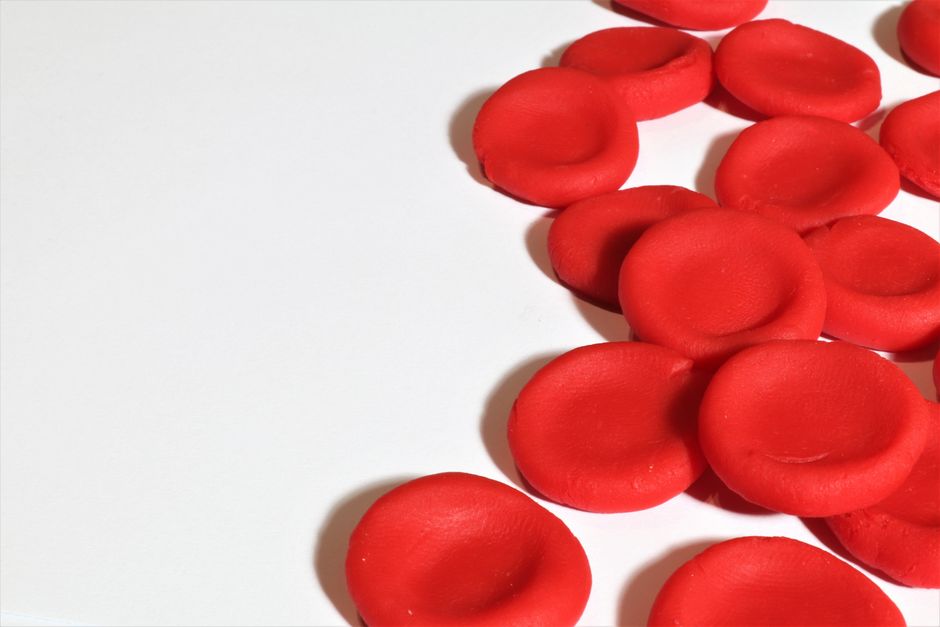
Low red blood cells almost always mean one of three things is happening: your body is not making enough of them, it is losing them, or it is breaking them down faster than it can replace them. The most common specific causes are iron deficiency, blood loss, chronic kidney disease, and certain inherited conditions like thalassemia. Anemia is the medical term for having fewer red blood cells or less hemoglobin than normal, and it is one of the most common findings on a routine blood test.
Red blood cells carry oxygen from your lungs to every tissue in your body using a protein called hemoglobin. When that supply drops, your organs get less oxygen, which is why fatigue and shortness of breath are the classic symptoms. But the reason behind the drop matters far more than the number itself, because each cause needs a different response.
Why Would Red Blood Cells Be Low Common Causes?
Iron deficiency is the most common cause worldwide, and it is usually about supply rather than production failure at the factory level. Your bone marrow needs iron to build hemoglobin, and it needs vitamin B12 and folate to build red blood cells properly. When any of these building blocks runs short, production slows or produces defective cells.
The second major group is blood loss. This can be obvious, like heavy menstrual bleeding or surgery, or hidden, like slow bleeding from the digestive tract. Slow blood loss is easy to miss because it happens gradually and the body compensates for a long time before symptoms appear.
The third group involves the bone marrow itself. Chronic kidney disease is a well-established cause because the kidneys produce erythropoietin, a hormone that signals the bone marrow to make red blood cells. When kidney function declines, that signal weakens. Bone marrow disorders, some cancers, and certain medications can also suppress production directly.
The fourth group is destruction. Red blood cells normally live about 120 days. In conditions where they are broken down early, the bone marrow has to work much harder to keep up, and sometimes it cannot. Inherited conditions like thalassemia and sickle cell disease fall here, as do some autoimmune and medication-related causes.
What Does Iron Deficiency Have to Do With Low Red Blood Cells?
Iron deficiency is the leading cause of anemia globally, and it develops in stages. The body first uses up stored iron, then hemoglobin production starts to fall. This means you can have low iron stores with a normal red blood cell count for a while before anemia shows up on a blood test.
Diet alone is rarely the whole story in adults. Iron from plant sources is absorbed less efficiently than iron from meat, and absorption is affected by what you eat alongside it. Vitamin C improves absorption of plant iron, while tea and coffee consumed with meals reduce it. These effects are real but modest, and they matter more as part of a pattern than as a single meal choice.
In adults, and especially in men and postmenopausal women, iron deficiency is often a sign of ongoing blood loss until proven otherwise. That is why clinicians frequently look for a source in the digestive tract rather than assuming diet is the cause. This is a well-established clinical principle, not a routine assumption.
Can You Have Low Red Blood Cells Without Knowing Why?
Yes, and this is common. The body adapts to gradually falling red blood cells, so mild anemia often causes no symptoms at all. It frequently turns up on a routine complete blood count done for another reason.
When symptoms do appear, they tend to be general. Fatigue, feeling weak, pale skin, shortness of breath with activity, headaches, and feeling cold are typical. None of these point to a specific cause on their own, which is why a blood test is needed to sort out the reason.
One detail worth knowing: the size of your red blood cells gives a strong clue. Small, pale cells usually point toward iron deficiency or thalassemia. Large cells often suggest vitamin B12 or folate problems, alcohol use, or certain medications. Normal-sized cells can point toward kidney disease, blood loss, or bone marrow issues. This measurement, called MCV, is part of a standard blood count and helps narrow the list quickly.




What Health Conditions Cause Low Red Blood Cells?
Several conditions are well established as causes, and they act through the mechanisms described above.
- Heavy menstrual bleeding — a common cause of iron loss in menstruating women.
- Chronic kidney disease — reduced erythropoietin production.
- Gastrointestinal bleeding — from ulcers, inflammation, or other sources.
- Vitamin B12 or folate deficiency — impairs red blood cell formation.
- Inherited hemoglobin disorders — thalassemia and sickle cell disease.
- Chronic inflammatory conditions — inflammation can interfere with iron use and red cell production.
- Bone marrow disorders — conditions where the marrow cannot produce cells normally.
- Certain medications and treatments — some suppress the marrow or increase red cell breakdown.
Pregnancy also lowers red blood cell concentration through dilution. Blood volume rises more than red cell mass does, so the measured level falls even when production is normal. This is expected, though iron needs do rise during pregnancy and deficiency is common.
How Do Doctors Figure Out the Cause?
The first step is a complete blood count, which measures hemoglobin, red cell count, and cell size. From there, the pattern guides the next tests. Iron studies, vitamin B12 and folate levels, and kidney function tests are common follow-ups.
The goal is to identify the cause, not just the low number. Treating anemia without knowing why it is there can mask a problem that needs attention. This is especially true for iron deficiency in older adults, where finding the source matters.
Some causes are straightforward to identify. Others take more investigation. A clinician may repeat tests over time to see whether a value is stable or changing, which can be just as informative as a single result.
What Are the Most Common Causes by Age and Situation?
The likely cause shifts depending on who you are, and this pattern is well documented in clinical practice.
| Group | Most common causes |
|---|---|
| Menstruating women | Iron deficiency from menstrual blood loss |
| Pregnant women | Dilution plus increased iron demand |
| Men and postmenopausal women | Blood loss from the digestive tract, iron deficiency |
| Older adults | Chronic kidney disease, chronic inflammation, blood loss, bone marrow conditions |
| People with chronic illness | Anemia of inflammation, kidney disease |
This table reflects general patterns, not a diagnosis. A single person can have more than one cause at once, and mixed causes are not unusual. Someone with kidney disease and poor iron intake, for example, may have two things working against their red blood cell count.
When Should Low Red Blood Cells Be Taken Seriously?
Low red blood cells always deserve an explanation, even when the number is only slightly below normal. Mild anemia is not automatically harmless, because the cause may be something that needs treatment.
Certain signs warrant prompt medical attention. Chest pain, fainting, severe shortness of breath, a rapid heartbeat at rest, or blood in the stool or urine are reasons to seek care quickly. These can signal significant blood loss or a strain on the heart and should not wait.
For most people, the practical step is a conversation with a clinician about what the blood test shows and what comes next. The number itself is a starting point. The cause is what guides everything after it.
Frequently Asked Questions
What is the most common cause of low red blood cells?
Iron deficiency is the most common cause worldwide. It usually results from blood loss, low dietary iron, or poor absorption, and it develops gradually over time.
Can low red blood cells be serious?
It can be, depending on the cause and how low the level is. Mild anemia is often manageable, but significant drops or symptoms like chest pain and fainting need prompt medical attention.
Does low red blood cells always mean anemia?
Yes, low red blood cells or low hemoglobin is the definition of anemia. The term describes the finding, not the cause, which still needs to be identified.
Can stress cause low red blood cells?
No, stress does not directly lower red blood cell counts. Some chronic illnesses and inflammatory conditions can affect red cell production, but psychological stress itself is not an established cause.
