
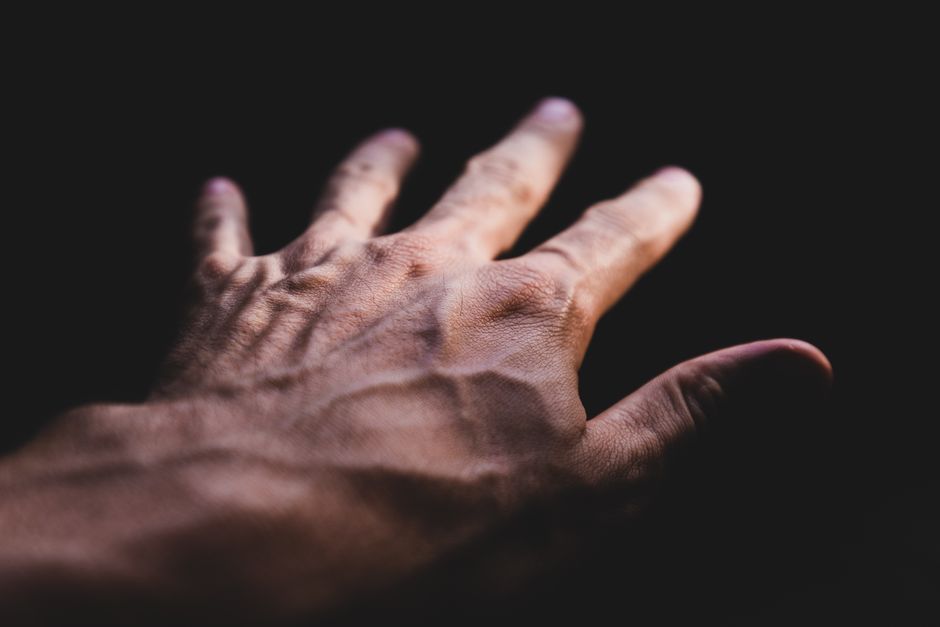
You glance at your hands and notice your veins look darker and more visible than usual. This is a common observation, and in most cases, it is completely normal. The color of your veins is influenced by how light penetrates your skin, the amount of oxygen in your blood, and the thickness of the tissue above the veins. When veins appear more blue or green today, it is usually due to simple factors like skin tone, temperature, or recent physical activity.
Why Are Your Veins So Blue Today? Reasons Explained
Blood is always red. Oxygen-rich blood is bright red, and oxygen-poor blood is a darker, deeper red. The blue color you see is an optical illusion created by your skin and the way light travels through it.
Red light penetrates deeper into the skin than blue light. When light hits your skin, the red wavelengths travel further and get absorbed by the blood in your veins. The blue wavelengths scatter and reflect back to your eye. This is why veins appear blue even though the blood inside them is red.
When your veins look more prominent than usual, it means the veins are dilated, or wider, and closer to the surface of your skin. Several everyday factors cause this change in a matter of minutes or hours.
What Makes Veins Dilate and Appear Bluer?
Veins dilate when blood flow increases or when the walls of the veins relax. This brings more blood closer to the surface of your skin. When more blood sits near the surface, the blue color becomes more obvious.
Warm temperatures are one of the most common reasons. Heat causes your blood vessels to widen. This is your body’s way of releasing heat through your skin. A warm shower, a hot day, or even holding a warm cup of coffee can make your veins look more prominent.
Physical activity has the same effect. When you exercise, your muscles need more oxygen. Your heart pumps harder and faster, increasing blood flow throughout your body. After a workout or even a brisk walk, your veins may stay dilated for a while, making them appear bluer and more visible.
Gravity also plays a role. When you stand or sit with your arms down, blood pools in the veins of your hands and lower arms. This increases the pressure inside those veins, causing them to swell slightly. This is why your hands may look veiny after standing for a while but return to normal when you raise them.
Why Are My Veins Suddenly So Blue Without Exercise?
You do not need to work out to see a change in your veins. Simple changes in body position can make veins appear suddenly. Raising your arms above your head drains blood away, making veins less visible. Lowering your arms below your heart increases blood pooling and makes veins more prominent.
Stress and strong emotions can also affect your veins. Your body releases adrenaline, which can increase your heart rate and blood pressure. This temporarily boosts blood flow, making veins more visible.
Dehydration can make veins look different, but often in the opposite direction. When you are dehydrated, your blood volume drops. Veins may look flatter and less full. However, the skin can also become thinner and paler with dehydration, which sometimes makes veins more noticeable against the skin.
Alcohol consumption causes blood vessels to dilate. This is why your face may flush after a drink. The same effect happens in your arms and hands, making veins appear bluer and more pronounced for a few hours.




Skin Tone and Body Fat Affect How Blue Veins Look
The amount of melanin in your skin changes how visible your veins are. Lighter skin allows light to penetrate more easily, making veins appear bluer. Darker skin has more melanin, which absorbs more light. Veins may appear greenish or darker brown rather than bright blue.
Body fat percentage matters too. Veins run through a layer of fat beneath the skin. Thinner people have less fat separating the veins from the surface, so their veins are more visible. This is why veins often become more noticeable with age — skin thins and loses elasticity over time.
Medical Conditions That Make Veins Look Bluer
Most of the time, prominent blue veins are harmless. But certain medical conditions can cause veins to become more visible or swollen. Knowing the difference matters.
Varicose veins are enlarged, twisted veins that often appear blue or dark purple. They happen when the valves inside veins weaken, allowing blood to flow backward and pool. Varicose veins most commonly affect the legs. They can cause aching, heaviness, or swelling. Not all prominent veins are varicose veins, but if you see bulging, twisted veins, it is worth mentioning to a doctor.
Chronic venous insufficiency is a condition where leg veins struggle to return blood to the heart. Blood pools in the lower legs, causing veins to swell and become more visible. Symptoms may include leg swelling, skin changes, and a feeling of heaviness.
Superficial thrombophlebitis is inflammation of a vein near the skin’s surface, usually due to a blood clot. The affected vein becomes red, tender, and warm to the touch. This is different from a deep vein thrombosis, which is more serious. If you have a painful, red, and swollen vein, seek medical attention.
Pregnancy causes significant changes in blood volume and circulation. Blood volume increases by nearly 50 percent during pregnancy. This extra blood puts pressure on veins, making them more visible throughout the body. Hormonal changes also relax vein walls.
When Should You Worry About Blue Veins?
Prominent veins alone are rarely a reason for concern. But certain symptoms alongside visible veins should prompt a medical evaluation.
Seek medical advice if you notice any of the following:
- Pain, tenderness, or warmth along a vein
- Redness or inflammation around a vein
- Swelling in one arm or leg
- Skin that feels hard or changes color around a vein
- Veins that bleed or develop sores
- A sudden increase in vein visibility in one limb only
Deep vein thrombosis is a blood clot in a deep vein, most often in the leg. Symptoms include swelling, pain, and warmth in the affected limb. The skin may look reddish or bluish. This condition requires immediate medical care because the clot can travel to the lungs. If you suspect a deep vein clot, go to an emergency department.
Spider veins are small, thin veins that appear near the skin’s surface. They look like red, blue, or purple webs. Spider veins are usually harmless and do not require treatment unless they cause discomfort.
Can You Prevent Veins From Looking Blue?
You cannot change the color of your veins. They will always appear bluish through the skin. But you can reduce how prominent they look if that bothers you.
Staying hydrated keeps your blood volume normal and your skin plump. Well-hydrated skin is less translucent, which can make veins less obvious. Regular movement prevents blood from pooling in your legs. If you sit for long periods, stand up and walk every hour.
Compression stockings can help if leg veins bother you. These stockings gently squeeze your legs, helping blood flow back toward your heart. They are commonly used for varicose veins and chronic venous insufficiency. Some people wear them during long flights to reduce leg swelling.
Moisturizing your skin does not change vein color, but it can improve skin thickness and appearance. Thicker, healthier skin scatters light differently than thin, dry skin.
Are Blue Veins a Sign of Poor Circulation?
Not necessarily. Visible blue veins are often a sign of good blood flow, not poor circulation. When blood moves actively through your veins, they dilate to accommodate the flow. Athletes and physically active people often have prominent veins because their bodies have increased blood volume and more efficient circulation.
Poor circulation typically presents with other symptoms. Cold hands and feet, numbness, tingling, and slow-healing wounds are more reliable signs of circulation problems than vein color alone. If you have prominent veins but no other symptoms, your circulation is likely working fine.
Frequently Asked Questions
Why do my veins look blue all of a sudden?
Sudden changes in vein visibility are usually caused by heat, physical activity, or changes in body position. These factors dilate your veins and bring more blood near the skin’s surface.
Are blue veins a sign of dehydration?
Not usually. Dehydration can make veins look flatter because blood volume drops. However, thinner skin from dehydration may make veins more visible against the skin.
Can stress make my veins more visible?
Yes. Stress releases adrenaline, which increases heart rate and blood pressure. This temporarily boosts blood flow and can make veins look more prominent.
When should I see a doctor about visible veins?
See a doctor if you have pain, swelling, redness, or warmth along a vein. These symptoms may indicate a blood clot or inflammation that needs medical evaluation.
