
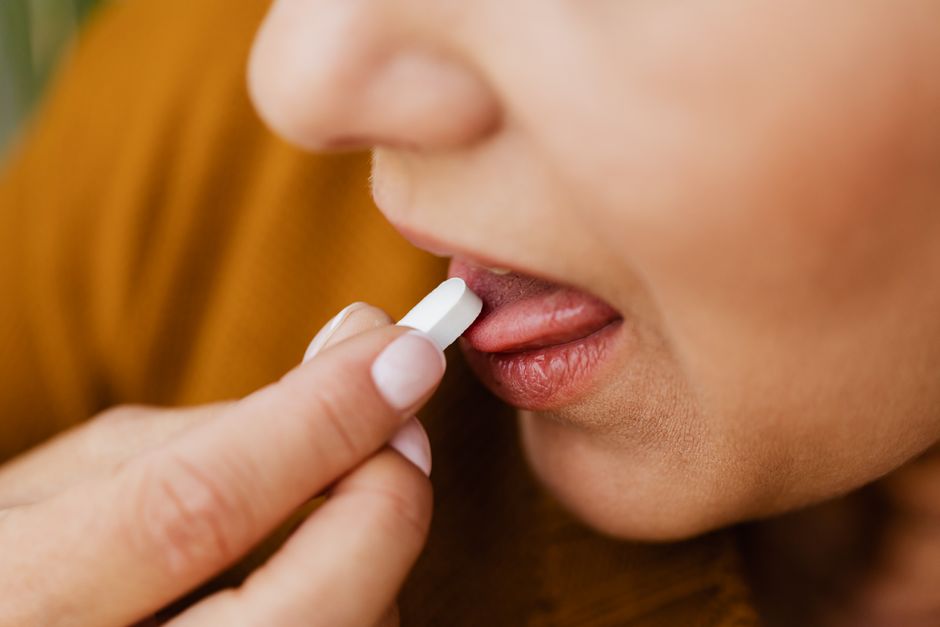
Most mouth ulcers heal within 7 to 14 days on their own. If your mouth ulcer has lasted longer than two weeks without getting better, it is not normal. The most common reasons a mouth ulcer will not go away include persistent irritation from a sharp tooth or dental appliance, an underlying health condition like an autoimmune disease, or in rare cases, oral cancer. You need to see a dentist or doctor for any ulcer that lasts more than three weeks. They can examine the sore and determine the exact cause and proper treatment.
What Causes a Mouth Ulcer That Will Not Heal?
A standard canker sore or cold sore follows a predictable timeline. It appears, it hurts, and it fades. When an ulcer lingers, something is actively preventing the healing process.
The most common cause is repeated physical trauma. A broken filling, a rough edge on a tooth, or braces rubbing against your cheek can keep reopening the wound. Every time you eat or talk, the irritation starts over. The body never gets a chance to finish repairing the tissue.
Another common cause is an infection that the immune system cannot fully clear. Herpes simplex virus can cause cold sores that flare repeatedly. But fungal infections like oral thrush can also create persistent white patches that look like ulcers. Bacterial infections from poor oral hygiene or gum disease can keep a sore inflamed for weeks.
Some people develop chronic mouth ulcers from an autoimmune condition. Behçet’s disease, lupus, and inflammatory bowel disease like Crohn’s disease can all cause recurring or non-healing mouth sores. In these cases, the immune system attacks the lining of the mouth, and standard treatments do not work well.
Vitamin deficiencies are another factor. Low levels of vitamin B12, iron, or folate can slow tissue repair. Your mouth lining cells turn over quickly. Without the right nutrients, that process stalls.
The most serious cause is oral cancer. A non-healing ulcer is one of the earliest signs. Cancerous ulcers usually do not hurt at first. They grow slowly and have irregular edges. The National Cancer Institute reports that about 54,000 people in the US are diagnosed with oral or oropharyngeal cancer each year. Early detection dramatically improves outcomes.
How Long Is Too Long for a Mouth Ulcer?
The standard healing window for a minor mouth ulcer is 7 to 14 days. If you have passed the two-week mark and the sore is still present, you should schedule a dental or medical appointment.
At the three-week mark, the concern increases significantly. Research published in the Journal of the American Dental Association states that any oral lesion persisting beyond three weeks requires professional evaluation. This is the threshold most clinicians use.
Do not wait for pain to decide. Cancerous ulcers often do not hurt until they are advanced. Painless sores that last are more concerning than painful ones in some ways.
If the ulcer changes in size, shape, or color, see a provider sooner. If you notice bleeding, numbness, or a lump in your neck or jaw, do not wait at all. These are signs that the problem may have spread beyond the mouth.
What Treatment Options Actually Work for Persistent Mouth Ulcers?
Treatment depends entirely on what is causing the ulcer to persist. There is no single cure for all non-healing mouth sores.
For ulcers caused by physical irritation, the fix is straightforward. A dentist can smooth a sharp tooth edge, adjust braces, or replace a broken filling. Once the source of trauma is removed, the ulcer usually heals within a week.
For infected ulcers, the treatment targets the specific germ. Antiviral medications like acyclovir or valacyclovir work for herpes simplex outbreaks. Antifungal mouth rinses like nystatin or fluconazole treat oral thrush. Antibiotics are rarely needed unless a bacterial infection is confirmed.
For autoimmune-related ulcers, doctors often prescribe corticosteroids. These can be topical pastes applied directly to the sore or oral pills for more severe cases. Immunosuppressant medications like methotrexate or colchicine are used for conditions like Behçet’s disease.
For vitamin deficiencies, supplementation resolves the issue. A simple blood test can check your levels. Taking the right supplement usually leads to healing within a few weeks.
For cancerous ulcers, treatment involves surgical removal, radiation, or chemotherapy depending on the stage. This is why early detection matters so much.



Does Why Wont My Mouth Ulcer Go Away Causes Treatment Actually Work?
The phrase itself is not a treatment. It is a question that leads to the correct answer. The real question is whether the approach of identifying the underlying cause leads to effective treatment. The answer is yes, but only if you follow through.
Many people try home remedies for weeks before seeing a professional. Salt water rinses, honey, aloe vera, and over-the-counter gels can help with pain and minor inflammation. They do not fix a broken tooth or treat an autoimmune disease or cure oral cancer.
The most effective treatment pathway is: identify the cause, remove or treat the cause, and then support healing. This sequence works for the vast majority of persistent mouth ulcers.
A comparison of common approaches shows why professional diagnosis matters:
| Treatment Approach | Works For | Does Not Work For |
|---|---|---|
| Salt water rinse | Minor inflammation, preventing infection | Physical trauma, autoimmune ulcers, cancer |
| Over-the-counter numbing gel | Pain relief only | Healing the ulcer |
| Topical steroid paste | Autoimmune-related ulcers | Infected ulcers, cancer |
| Antiviral medication | Herpes simplex outbreaks | Non-viral ulcers |
| Vitamin supplements | Deficiency-related ulcers | Ulcers from other causes |
| Surgical removal | Cancerous or precancerous lesions | Benign ulcers |
What to Avoid When You Have a Persistent Mouth Ulcer
Some common habits make non-healing ulcers worse. Avoid spicy, acidic, or crunchy foods. These physically irritate the sore and delay healing. Chips, citrus fruits, tomatoes, and coffee are common triggers.
Do not poke or prod the ulcer with your tongue or fingers. This introduces bacteria and prevents the tissue from forming a protective layer. It is a natural reaction to keep touching it. You have to stop.
Avoid alcohol-based mouthwashes. They dry out the tissue and can burn the ulcer. Use a mild salt water rinse instead. Mix half a teaspoon of salt in a cup of warm water and swish gently.
Do not assume it is just a canker sore. This is the biggest mistake people make. If you have had the same ulcer for two weeks, stop guessing and get it checked. The stakes are too high to rely on home remedies alone.
Avoid smoking and vaping. Tobacco products slow healing and increase your risk of oral cancer significantly. The CDC states that smoking causes about 75% of all oral cancers. If you smoke and have a non-healing ulcer, this is a strong reason to quit.
When to See a Specialist
Your dentist is the first person to see for a persistent mouth ulcer. They can examine the sore, check for dental causes, and perform a biopsy if needed. A biopsy involves taking a small sample of tissue and sending it to a lab for analysis. It is the only way to confirm or rule out cancer.
If the dentist finds no dental cause, they may refer you to an oral medicine specialist or an ear nose and throat ENT doctor. These specialists have more experience with complex oral lesions.
If an autoimmune condition is suspected, a rheumatologist is the right specialist. They can run blood tests and prescribe medications that target the immune system.
Do not skip the dentist and go straight to a specialist. Start with the generalist who knows your mouth best. They will guide you to the right place.
Common Misconceptions About Persistent Mouth Ulcers
One common myth is that stress alone causes non-healing ulcers. Stress can trigger canker sores in people who are prone to them. It does not cause an ulcer to last for weeks without healing. If the sore is not going away, something physical is wrong.
Another myth is that all mouth ulcers are contagious. Canker sores are not contagious. Cold sores caused by herpes simplex are contagious. If you do not know which type you have, avoid kissing or sharing utensils until a doctor confirms it.
Some people believe that if it does not hurt, it is not serious. The opposite is often true. Painful ulcers are usually benign and inflammatory. Painless ulcers that persist are more likely to be cancerous. Do not use pain as your guide.
There is also a belief that oral cancer is rare and only affects smokers or heavy drinkers. While smoking and alcohol are major risk factors, about 25% of oral cancer cases occur in people with no known risk factors. Anyone can get it.
Frequently Asked Questions
How long is too long for a mouth ulcer to last?
Any mouth ulcer lasting longer than two weeks requires professional evaluation. Three weeks is the standard clinical threshold for concern.
Can stress cause a mouth ulcer that will not heal?
Stress can trigger canker sores but does not prevent healing. If an ulcer persists, there is usually a physical cause like trauma or infection.
What does a cancerous mouth ulcer look like?
Cancerous ulcers often have irregular raised edges, a flat center, and do not hurt early on. They grow slowly and do not heal. Only a biopsy can confirm.
Should I use hydrogen peroxide on a mouth ulcer?
Hydrogen peroxide can damage healthy tissue and delay healing. Salt water rinses are safer and equally effective for mild inflammation.
