
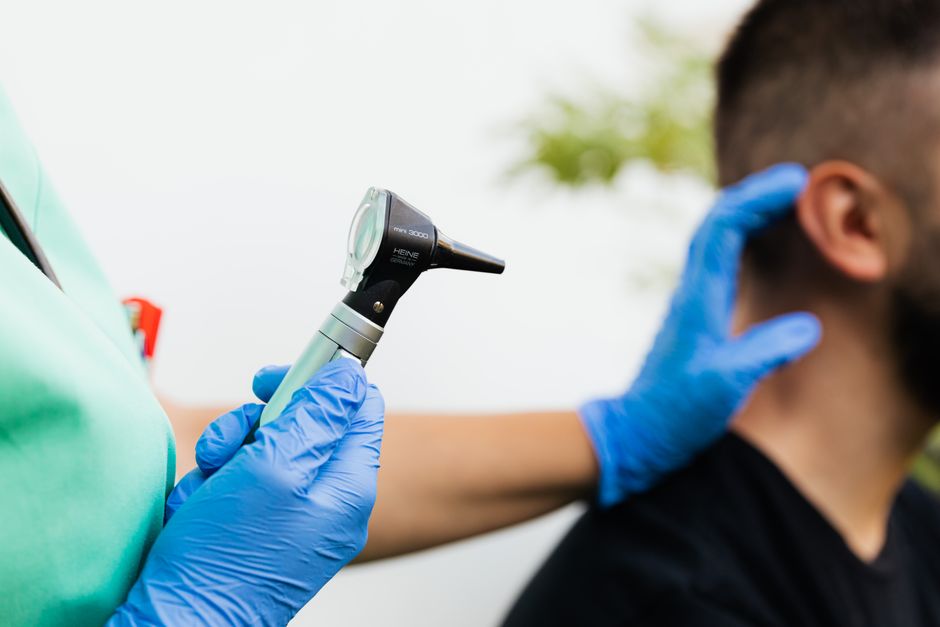
Your ears feel full. Sounds seem muffled. You swallow, yawn, and chew, but nothing helps. The pressure stays. This is the frustrating feeling of having ears that simply will not pop. Most of the time, this happens because the Eustachian tube—the small passage connecting your middle ear to the back of your nose—is blocked or swollen. When that tube cannot open, the air pressure inside your ear cannot equalize with the pressure outside. Understanding why this happens is the first step to finding relief.
What Actually Causes Your Ears to Pop?
Your ears pop when the Eustachian tube opens briefly. This tiny channel is normally closed. When you swallow or yawn, muscles pull it open for a fraction of a second. That brief opening lets air move in or out of the middle ear. This equalizes the pressure between your inner ear and the world around you.
When the tube cannot open, the pressure difference builds. Your eardrum gets stretched or pushed inward. That is the fullness you feel. The most common reasons for a blocked tube are colds, allergies, and sinus infections. The lining of the tube swells just like the lining of your nose does. Mucus can also clog the opening.
Changes in altitude are another common culprit. When you fly or drive up a mountain, the outside air pressure drops quickly. The air inside your middle ear expands. If your tube cannot open to release that pressure, your ears feel blocked. This is why your ears hurt during airplane descent—the pressure outside rises while the pressure inside your ear stays lower.
Why Won’t Your Ears Pop? Reasons Behind Persistent Blockage
Sometimes the blockage is simple and clears in a day or two. Other times, it lingers for weeks. Persistent blockage usually means the Eustachian tube is swollen for a longer period. This can happen with a stubborn cold, a sinus infection, or seasonal allergies that keep your nasal passages inflamed.
Structural issues can also prevent popping. A deviated septum or enlarged tissues in the back of the nose can physically block the tube’s opening. In children, the Eustachian tube is shorter and more horizontal than in adults. This makes it easier for fluid to pool and harder for the tube to drain properly. This is why ear infections and persistent ear fullness are so common in young kids.
Earwax is a less common but real cause. A large plug of earwax sitting against the eardrum can create the same feeling of fullness. Popping will not help because the pressure is equal—the blockage is in the ear canal, not the middle ear. If you have pain, discharge, or hearing loss along with the fullness, see a doctor.
What Helps When Your Ears Will Not Pop
Simple swallowing and yawning are the first things to try. Chewing gum or sucking on hard candy encourages you to swallow more often. This sometimes works if the blockage is mild.
The Valsalva maneuver is a common home technique. Pinch your nostrils closed, close your mouth, and gently blow as if you are trying to exhale through your nose. You should feel a slight pressure change in your ears. Stop if it hurts. Blowing too hard can damage your eardrum. Some clinicians recommend the Toynbee maneuver instead—pinch your nose and swallow. This is gentler and less risky.
For congestion-related blockage, a nasal decongestant spray can help shrink swollen tissues. Use it for no more than three days in a row. Longer use can cause rebound congestion, making things worse. Oral decongestants may also help, but they can raise blood pressure and cause jitteriness. Check with your doctor if you have heart conditions or high blood pressure.
Steam inhalation can add moisture and help thin mucus. A warm shower or a bowl of hot water with a towel over your head works well. Some studies suggest that nasal steroid sprays reduce Eustachian tube inflammation over time, but they take days or weeks to work fully.




When Home Remedies Do Not Work
If your ears still will not pop after a week or two, see a healthcare provider. They can look at your eardrum to see if fluid has built up behind it. This condition is called otitis media with effusion, sometimes called “glue ear.” It happens when fluid stays in the middle ear after an infection has cleared.
Your doctor may recommend a procedure called autoinsufflation. This uses a special balloon device that you blow up through your nose. It creates pressure that can force the Eustachian tube open. Some evidence suggests this helps, particularly in children.
In persistent cases, a doctor might place small tubes in your eardrums. These tiny ventilation tubes allow air to enter the middle ear directly. They bypass the Eustachian tube entirely. This is a minor surgical procedure performed by an ear, nose, and throat specialist. It is usually reserved for cases that last months or cause repeated infections.
What Not to Do When Your Ears Are Blocked
Do not use cotton swabs to dig at earwax. This pushes wax deeper and risks damaging your eardrum. If earwax is the problem, over-the-counter ear drops can soften it. Your doctor can also remove it safely with specialized tools or suction.
Do not fly with a cold or active allergy symptoms if you can avoid it. The pressure changes during flight can make a mild blockage severe and painful. If you must fly, use a decongestant spray about an hour before descent. Chew gum during takeoff and landing to encourage swallowing.
Do not ignore pain, fever, or fluid draining from your ear. These can be signs of an ear infection that needs medical treatment. An untreated middle ear infection can sometimes lead to more serious complications.
Can Allergies Cause Your Ears to Stay Blocked?
Yes. Allergic rhinitis—hay fever—causes inflammation throughout your upper airway. The Eustachian tube lining is part of that same system. When allergens trigger swelling in your nose, the tube often swells too. This is why people with seasonal allergies often notice their ears feel full during peak pollen seasons.
Managing the allergy often resolves the ear fullness. Antihistamines help with sneezing and itching but may not directly reduce Eustachian tube swelling. Nasal steroid sprays are more effective for this because they reduce inflammation directly in the nasal passages and tube openings. If you have allergies and persistent ear fullness, treating the allergy is the most logical first step.
When to See a Doctor
See a doctor if the fullness lasts more than two weeks. Also seek care if you have ear pain, fever, hearing loss, dizziness, or ringing in your ears. These symptoms may point to an infection or another condition that needs treatment.
Sudden hearing loss is an emergency. If you lose hearing in one or both ears rapidly, seek medical attention immediately. This is not something to wait out. Prompt treatment can sometimes preserve or restore hearing.
If you have had ear fullness for months and it is affecting your daily life, ask for a referral to an ENT specialist. They can perform hearing tests and imaging to check for less common causes like a growth or structural problem.
Frequently Asked Questions
How long is it normal for your ears to stay plugged?
A few days to a week is common for a mild cold or allergy flare. If the fullness lasts more than two weeks, see a doctor.
Can earwax cause your ears not to pop?
Yes, a large earwax plug against the eardrum can create the same full feeling. Popping will not help because the pressure is already equal.
Is it safe to force your ears to pop by blowing hard?
No, blowing too hard can damage your eardrum. Use gentle pressure and stop immediately if you feel pain.
Will decongestants make my ears pop?
Decongestants can reduce swelling in the Eustachian tube, which may allow it to open. Nasal sprays work faster but should not be used for more than three days in a row.
