
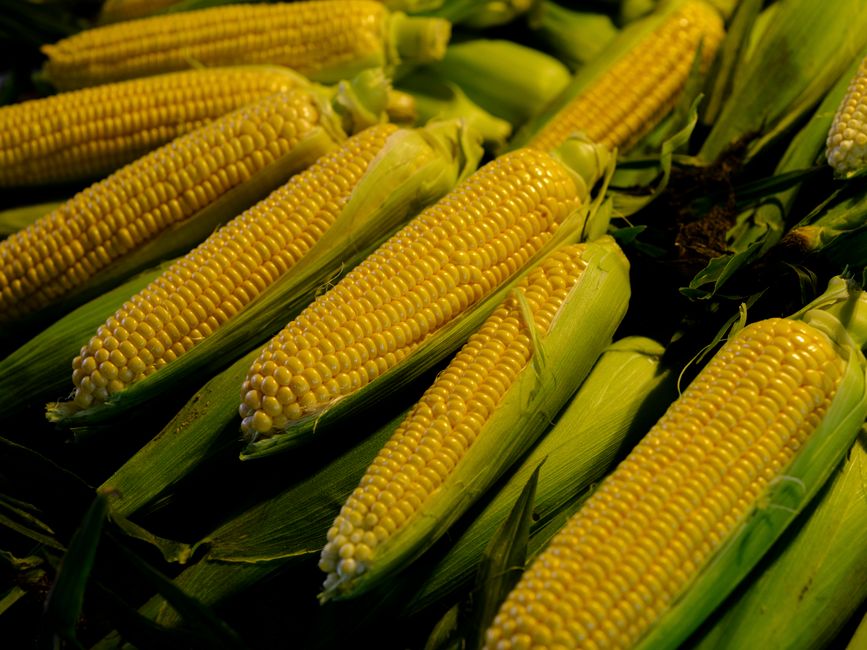
Biting into a cob of sweet corn often leaves you with an odd question the next day. You see those same bright yellow kernels in your stool and wonder if your body even bothered to process them. The short answer is that you are not digesting the tough outer shell of the kernel. Your body absorbs the soft starchy inside just fine, but the cellulose casing passes through your system mostly unchanged.
Why Does Corn Appear Undigested in Stool?
The outer layer of a corn kernel is made of cellulose. Cellulose is a type of fiber that humans cannot break down. We lack the enzyme called cellulase that would be needed to digest it. Ruminant animals like cows have bacteria in their stomachs that produce cellulase for them. You do not have that.
When you eat corn, your digestive enzymes and stomach acid work on the inside of the kernel. The soft starch and sugars inside are broken down and absorbed. But the tough cellulose hull stays intact. It travels through your small intestine and colon largely unchanged. That is why you see whole kernels on the other end. The yellow color you see is actually the empty shell.
This is not a sign of poor digestion or a health problem. It is normal human biology. The CDC notes that passing undigested food particles is common and usually harmless. If you see whole kernels frequently and it bothers you, chewing more thoroughly can help break the hulls open before they reach your stomach.
Does Chewing Corn Thoroughly Help Digestion?
Yes, chewing matters more than most people realize. When you chew corn, your teeth physically crack open the cellulose hull. Once that outer shell is broken, your digestive enzymes can reach the starchy interior much more easily. Studies have found that thorough chewing increases the surface area of food and improves nutrient absorption.
Research published in the journal Physiology & Behavior showed that people who chewed almonds more thoroughly absorbed more fat and protein from them. The same principle applies to corn. If you chew each bite until the kernels are crushed, you will digest more of the starch and see fewer whole kernels in your stool. Most people do not chew corn enough because it is soft and easy to swallow whole.
One practical tip is to count your chews. Aim for 20 to 30 chews per mouthful of corn. This is not a rule for every food, but for corn it makes a noticeable difference. You are not changing your biology. You are just doing the mechanical work your stomach cannot do alone.
What Nutrients Does Corn Actually Provide?
Corn is not empty calories. It contains real nutrients even if some of it passes through undigested. A medium ear of corn has about 88 calories, 3 grams of protein, and 2 grams of fiber. It also provides B vitamins like thiamin and folate, plus magnesium and phosphorus.
The fiber content is worth paying attention to. While you cannot digest the cellulose hull, that same fiber feeds your gut bacteria. The bacteria in your colon can break down some cellulose through fermentation. This process produces short-chain fatty acids that support colon health. According to the Academy of Nutrition and Dietetics, fiber from corn contributes to regular bowel movements and feeds beneficial gut microbes.
Corn also contains antioxidants called carotenoids, specifically lutein and zeaxanthin. These compounds are linked to eye health. The American Optometric Association notes that lutein and zeaxanthin may reduce the risk of age-related macular degeneration. So even though some corn passes through visually unchanged, your body still extracts useful compounds from it.


Is There a Nutritional Difference Between Corn Types?
Not all corn is the same. The corn you eat on the cob is sweet corn. Field corn, which is used for animal feed and processed foods, is harder and starchier. Popcorn is a different variety with a tougher hull that requires heat to pop. Each type has a different digestibility profile.
Sweet corn has a thinner hull than field corn. That is why it feels tender when you bite into it. Even so, the hull is still cellulose and will not fully digest. Canned corn is usually sweet corn that has been cooked and processed. The cooking process softens the hull slightly, but it still passes through largely intact. Creamed corn is more broken down because the kernels are cut and blended.
Here is a quick comparison of common corn types and their digestibility:
| Corn Type | Hull Thickness | Digestibility | Common Uses |
|---|---|---|---|
| Sweet corn | Thin | Moderate | Fresh, canned, frozen |
| Field corn | Thick | Low | Animal feed, corn syrup |
| Popcorn | Very thick | Low | Snack food |
| Baby corn | Very thin | High | Stir-fry, salads |
Baby corn is the least processed and most digestible because it is harvested before the hull hardens. If you want to minimize undigested kernels, baby corn is a good option. It is common in Asian cuisine and available canned in most grocery stores.
Does Cooking Corn Change Its Digestibility?
Cooking does break down some of the starch in corn, but it does not eliminate the cellulose hull. Heat softens the hull slightly, which can make it easier to chew and crack open. Boiling, steaming, and roasting all have similar effects on the hull structure.
Research published in the Journal of Agricultural and Food Chemistry found that cooking corn increases the availability of certain antioxidants. The heat releases bound carotenoids, making them easier for your body to absorb. So cooked corn provides more lutein and zeaxanthin than raw corn. The same study showed that cooking does not significantly change the fiber content or the indigestibility of the hull.
Grilling corn adds another variable. The high heat can char the hull, which may make it more brittle and easier to crack during chewing. But the effect is small. You are still dealing with cellulose. The best way to improve digestibility through cooking is to cut the kernels off the cob and cook them longer in soups or stews. The extended heat and moisture can soften the hull more than a quick boil.
Should You Be Concerned About Undigested Corn?
Seeing undigested corn in your stool is not a medical problem for most people. It is a normal result of eating a food with an indigestible outer shell. The American Gastroenterological Association states that passing visible food particles is common and usually benign. It does not mean your digestive system is failing.
There are a few situations where it might be worth mentioning to a doctor. If you see undigested corn along with other symptoms like diarrhea, weight loss, or abdominal pain, it could indicate a digestive issue. Conditions like irritable bowel syndrome, Crohn’s disease, or celiac disease can speed up bowel transit time. When food moves through your system too quickly, less time is available for digestion.
Some people report that they see undigested corn more often when they eat it with high-fat foods. Fat slows stomach emptying, which can give the stomach more time to work. But this effect is modest. The main factor remains the cellulose hull. If you are concerned about your digestion, look at the bigger picture. Are you having regular bowel movements? Do you have other symptoms? One food showing up whole is not a red flag.
What Common Myths Exist About Corn Digestion?
A widespread myth is that corn is completely indigestible and provides no nutrition. That is false. Your body absorbs the starch, protein, and many vitamins from corn. Only the outer hull resists digestion. You get calories and nutrients from every kernel, even if the shell comes out whole.
Another myth is that eating corn causes intestinal blockages. This is not supported by evidence. The American College of Gastroenterology has no data linking corn consumption to blockages in healthy adults. In very rare cases, people with strictures from Crohn’s disease or previous surgery might have trouble with high-fiber foods, but that applies to many vegetables, not just corn.
Some people believe that genetically modified corn is harder to digest than organic corn. There is no clinical evidence for this claim. The genetic modifications in commercial corn are for traits like pest resistance and herbicide tolerance, not for changing the cellulose structure. A study in the Journal of Food Science found no difference in digestibility between genetically modified and conventional corn varieties. The hull composition is essentially the same.
One more myth is that soaking corn in water or vinegar before cooking removes the indigestible hull. This is not true. The hull is made of cellulose, which is resistant to acid and water at room temperature. Soaking may soften the outer layer slightly, but it will not dissolve it. The only way to break down cellulose is with heat, pressure, or enzymes. None of those happen in a bowl of water on your counter.
Frequently Asked Questions
Is it normal to see undigested corn in stool?
Yes, it is normal. The outer hull of corn is made of cellulose, which humans cannot digest. Seeing whole kernels is common and not a sign of a health problem.
Does chewing corn more help digestion?
Yes, thorough chewing cracks open the hull and allows enzymes to reach the starch inside. Aim for 20 to 30 chews per mouthful to reduce undigested kernels.
Can cooking corn make it more digestible?
Cooking softens the hull slightly but does not eliminate it. Longer cooking in soups or stews can help more than quick boiling or grilling.
Is baby corn easier to digest than sweet corn?
Yes, baby corn is harvested before the hull hardens, so it is more digestible. It has a very thin outer layer that breaks down more easily during digestion.
