
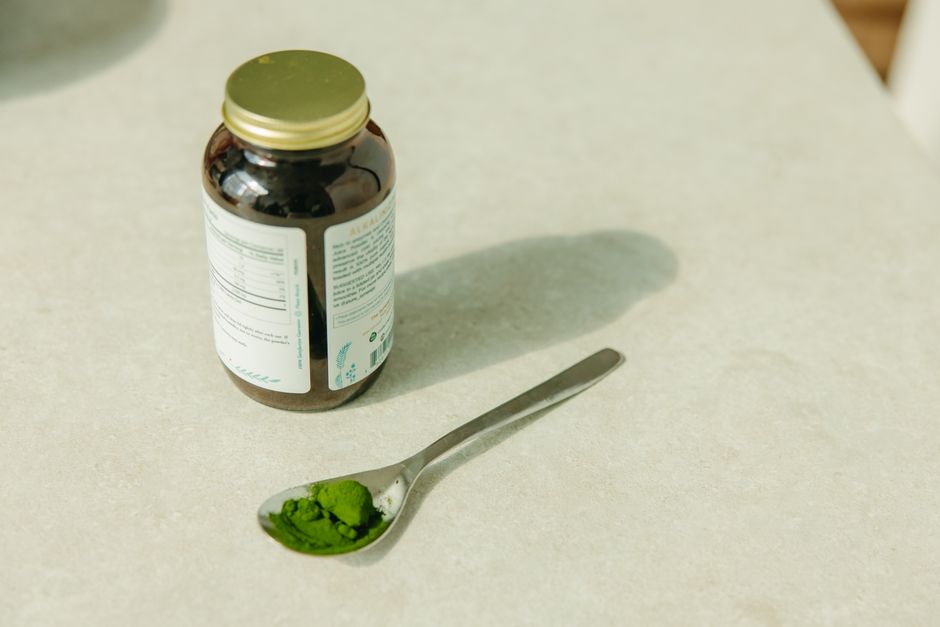
Green stool can be startling, but it is rarely a medical emergency. The color of your stool is largely determined by how long it takes to pass through your digestive tract and what you consumed in the last few days. In most cases, green poop is a harmless result of eating certain foods, taking specific supplements, or having a brief bout of diarrhea.
Why The Stool Is Green: The Simple Biology
Bile is the main reason stool turns green. Your liver produces bile to help digest fats, and that fluid is naturally a greenish-yellow color. As bile travels through your intestines, bacteria work to break it down, gradually turning it from green to the familiar brown color we expect to see.
When stool moves through the colon too quickly, that chemical process does not have time to finish. The result is that bile stays green when it exits the body. This is the same reason diarrhea often appears green or yellowish — the digestive system simply did not hold onto the waste long enough to complete the color change.
Foods That Naturally Turn Stool Green
The most common cause of green stool is diet. Leafy green vegetables contain chlorophyll, the pigment that gives plants their color, and eating large amounts can tint your waste.
Foods that commonly cause green stool include:
- Spinach, kale, and other dark leafy greens
- Green food coloring in candies, frosting, and sports drinks
- Blueberries and dark grapes
- Green gelatin or popsicles
- Matcha powder or wheatgrass shots
- Black licorice, which can produce greenish-black stool
The effect is typically temporary. Once the food passes through your system, usually within a day or two, stool color returns to normal. If you have been eating a large salad every day, the green color may persist as long as that habit continues.
Supplements and Medications That Cause Green Stool
Certain supplements and medications are known to change stool color. Iron supplements are a common culprit, though they more frequently cause dark or black stool. In some people, iron can produce a greenish tint instead.
Other supplements that can cause green stool include:
- Chlorophyll supplements
- Spirulina and other blue-green algae
- Senna, an herbal laxative
- Certain antibiotics, which can alter gut bacteria
- Bismuth subsalicylate, found in products like Pepto-Bismol, can turn stool dark green or black
Antibiotics deserve special attention. These medications do not directly color stool, but they change the balance of bacteria in your gut. Since gut bacteria are responsible for converting green bile into brown stool, a disrupted microbiome can leave stool looking green. This effect usually resolves once the antibiotic course is finished.





Medical Conditions Associated With Green Stool
When green stool is not related to food or medication, a medical condition may be responsible. The most common is diarrhea from any cause. Viral gastroenteritis, food poisoning, or traveler’s diarrhea all speed up intestinal transit, which prevents bile from changing color.
Other conditions that can cause green stool include:
- Irritable bowel syndrome with diarrhea
- Inflammatory bowel disease, such as Crohn’s disease or ulcerative colitis
- Celiac disease, which damages the small intestine and impairs nutrient absorption
- Gallbladder removal surgery, which affects bile processing
- Food intolerances, such as lactose intolerance
In these conditions, green stool is a symptom of the underlying issue rather than the problem itself. The green color occurs because the digestive system is moving contents through too quickly or because fat digestion is impaired. If the underlying condition is treated, stool color usually returns to normal.
When Green Stool Requires Medical Attention
Most cases of green stool resolve on their own and do not require a doctor’s visit. However, certain accompanying symptoms warrant medical evaluation.
Seek medical care if green stool occurs with:
- Blood in the stool, which may appear red or black
- Severe or worsening abdominal pain
- Fever above 101 degrees Fahrenheit
- Signs of dehydration from prolonged diarrhea
- Unintentional weight loss
- Green stool lasting more than a few days without an obvious cause
Blood mixed with green stool can appear dark or almost black, which may be mistaken for normal dark stool. If you have any doubt about whether blood is present, a doctor can perform a simple stool test. Persistent green stool combined with pain, cramping, or changes in bowel habits may indicate inflammatory bowel disease or another chronic condition that needs evaluation.
Green Stool in Infants and Children
Parents often notice green stool in babies, and in most cases it is completely normal. Newborns pass meconium, a dark greenish-black substance, in the first few days of life. This is expected and healthy.
In breastfed infants, green stool can occur for several reasons. Foremilk-hindmilk imbalance, where a baby gets more of the watery foremilk than the fatty hindmilk, can produce green, frothy stool. This is usually not dangerous but may indicate a feeding issue. Green stool can also appear when a baby is teething, has a mild stomach bug, or starts eating solid green foods.
Formula-fed babies may have green stool if the formula is iron-fortified, which is common and harmless. However, green stool accompanied by blood, mucus, or signs of distress may indicate a milk protein allergy or infection and should be evaluated by a pediatrician.
How to Prevent Green Stool
Prevention depends entirely on the cause. If food is responsible, the solution is simple — reduce or eliminate the triggering food and wait for the color to return to normal.
For diarrhea-related green stool, the priority is staying hydrated while the illness runs its course. Clear fluids like water, broth, and oral rehydration solutions help replace lost fluids and electrolytes. As the diarrhea resolves and intestinal transit slows, stool color typically normalizes.
If antibiotics are the cause, the green color usually fades within a few days of finishing the medication. Some research suggests that probiotics may help restore gut bacteria balance, but the evidence for their effectiveness during antibiotic treatment is mixed. If you are considering probiotics, discuss timing and strains with your healthcare provider.
Frequently Asked Questions
Is green stool a sign of cancer?
Green stool alone is not a sign of cancer. Persistent changes in stool color combined with blood, weight loss, or abdominal pain should be evaluated by a doctor, but green color by itself is rarely concerning.
How long does green stool last?
Green stool typically lasts one to two days, depending on the cause. If it is from food, it resolves once the food passes through your system. If it is from diarrhea, it lasts as long as the diarrhea does.
Can stress cause green stool?
Stress itself does not directly turn stool green. However, stress can speed up digestion or trigger diarrhea, which prevents bile from changing color and results in green stool.
Does green stool mean you have an infection?
Not necessarily. Green stool commonly occurs with viral gastroenteritis or food poisoning because diarrhea moves waste through the system too quickly. But infections are only one possible cause among many, including diet and medication.
