
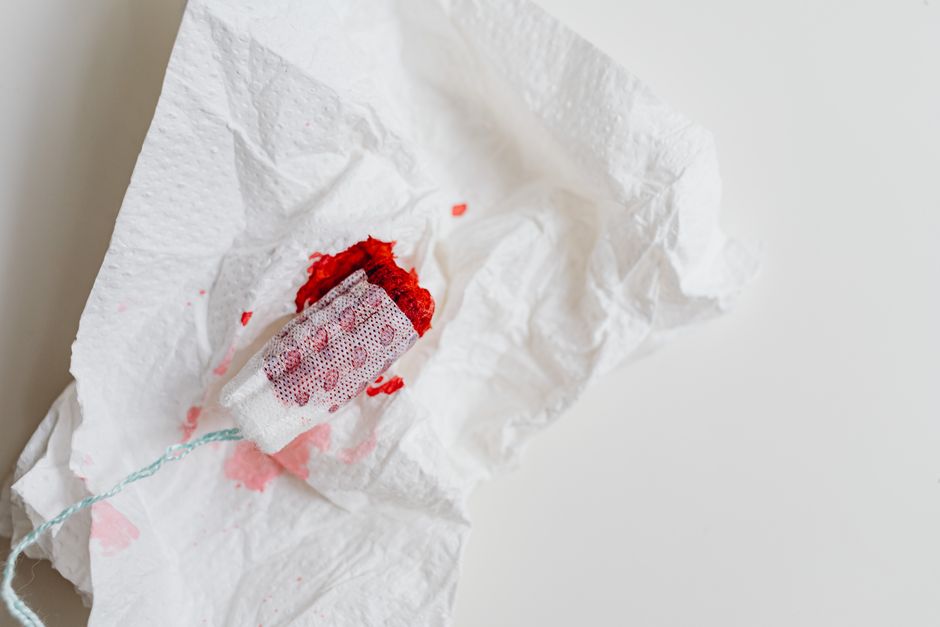
Bleeding after using boric acid is usually a sign of irritation or a minor tear in the vaginal tissue, not an emergency. The most common reason is that the capsule was not inserted far enough or the vagina was dry, causing friction against delicate tissue. However, bleeding can also signal an underlying infection or a condition unrelated to the boric acid itself, so it deserves attention rather than being dismissed.
What Is Boric Acid and How Does It Work?
Boric acid is a chemical compound used for decades as a vaginal suppository. It is not a new trend. Doctors have prescribed it for recurrent yeast infections, particularly when standard antifungal treatments fail.
Boric acid works by changing the pH and environment of the vagina. Yeast and certain bacteria thrive in a specific pH range. Boric acid disrupts that environment, making it harder for organisms like Candida to survive and multiply.
It is important to note that boric acid is for vaginal use only. It is not the same as borax, and it should never be taken by mouth. Oral ingestion is toxic and can be fatal.
Why Am I Bleeding After Using Boric Acid?
The direct answer is that boric acid can irritate the vaginal lining. The vagina is lined with mucous membranes that are sensitive and highly vascular, meaning they have many small blood vessels. When the lining is irritated, those vessels can break and cause light spotting or bleeding.
Several factors make irritation more likely:
- Insufficient lubrication: Inserting a capsule without enough moisture can cause friction.
- Incorrect insertion depth: If the capsule sits low in the vaginal canal, it can rub against the opening.
- Pre-existing dryness: Menopause, breastfeeding, or certain medications can make tissue thinner and more fragile.
- Underlying infection: An active infection can already be causing inflammation. Boric acid can worsen that inflammation.
Light spotting that resolves within a day or two is often benign. Heavier bleeding, bleeding with pain, or bleeding that continues after stopping the treatment requires medical evaluation.
Could It Be Something Other Than Irritation?
Yes. Bleeding during or after boric acid use does not automatically mean the boric acid caused the bleeding. Several gynecologic conditions produce bleeding that can coincide with treatment.
Cervical polyps are small growths on the cervix. They are usually benign but can bleed easily when touched. Inserting a capsule can bump a polyp and cause spotting.
Vaginal atrophy is thinning and drying of the vaginal walls, commonly seen after menopause. Fragile tissue can tear with any insertion, including a tampon, a speculum, or a boric acid capsule.
Infections such as bacterial vaginosis or trichomoniasis can cause inflammation and bleeding. If you used boric acid to treat a suspected yeast infection, the bleeding may be from the actual infection, not the treatment.
Cervical or uterine conditions like fibroids, endometriosis, or in rare cases cancer can cause abnormal bleeding. Timing with boric acid use may be coincidental.
The point is that bleeding has many possible causes. Boric acid irritation is one explanation. It is not the only one.
When Should You See a Doctor?
Medical guidance is clear on when bleeding warrants evaluation. Seek care if you experience any of the following:
- Bleeding heavier than spotting
- Bleeding that lasts more than two days after stopping boric acid
- Bleeding accompanied by severe pain, fever, or foul-smelling discharge
- Bleeding after menopause
- Bleeding between periods or after intercourse
Postmenopausal bleeding is always evaluated by a doctor. Even if it is light and brief, it requires investigation. Endometrial cancer, while not the most common cause, is a possibility that cannot be ruled out without examination.
If you are pregnant or think you might be, stop using boric acid and contact your obstetric provider immediately. Boric acid is not considered safe during pregnancy.
How to Use Boric Acid Safely
If you and your doctor decide boric acid is appropriate for you, proper technique reduces the risk of irritation. The capsule should be inserted high into the vaginal canal, close to the cervix. This placement reduces friction against the sensitive lower third of the vagina.
Lubrication matters. A water-based lubricant applied to the capsule or the vaginal opening can ease insertion. Do not use oil-based lubricants with latex products, though this is rarely a concern with boric acid capsules alone.
Boric acid is typically used once daily for 7 to 14 days, depending on the condition being treated. Some clinicians recommend longer courses for recurrent infections. You should follow the specific instructions from your healthcare provider rather than self-prescribing.
Do not use boric acid during your menstrual period. The presence of blood changes the vaginal environment and may reduce effectiveness. It is also harder to assess whether bleeding is from the treatment or your period.
What the Research Shows About Boric Acid
Clinical evidence supports boric acid as a treatment for recurrent vulvovaginal candidiasis, particularly infections caused by non-albicans species like Candida glabrata. These strains are often resistant to standard azole antifungals like fluconazole.
Research published in the Journal of Women’s Health and other gynecologic journals has shown that intravaginal boric acid achieves clinical cure rates for resistant yeast infections. However, most studies are small and have limitations. Comparative effectiveness against newer antifungal agents is not fully established.
Boric acid is not approved by the FDA for vaginal use. It is available over the counter, but that does not mean it is regulated as a drug. It is typically sold as a homeopathic or dietary supplement product, which means quality and purity are not guaranteed by any regulatory body.
Common side effects include burning, watery discharge, and irritation. Bleeding is less commonly reported but does appear in clinical literature as a possible adverse effect.
Alternatives to Boric Acid
If you are experiencing bleeding or irritation, you may want to discuss alternative treatments with your doctor. Several options exist for yeast infections:
- Oral fluconazole: A single dose or short course of this prescription antifungal is a first-line treatment for uncomplicated yeast infections.
- Topical azole creams: Products like miconazole or clotrimazole are available over the counter and are generally well tolerated.
- Prescription suppositories: Some contain different antifungal agents and may be better tolerated than boric acid.
For recurrent infections, the underlying cause matters. Uncontrolled diabetes, antibiotic use, hormonal changes, and immune suppression all contribute to recurrent yeast infections. Treating the trigger is more effective than repeatedly treating the infection itself.
Can You Prevent Bleeding With Boric Acid?
Prevention starts with correct use. Insert the capsule at the right angle and depth. Use lubrication. Ensure the vagina is not already irritated before inserting anything.
If you have a history of vaginal dryness or atrophy, discuss estrogen therapy or vaginal moisturizers with your doctor before using boric acid. Fragile tissue is more likely to tear, and prevention is more effective than treating the resulting bleeding.
If you experience mild spotting on the first use, it does not necessarily mean you must stop. Some women develop tolerance with continued use. However, if bleeding persists or worsens, stop and seek medical advice.
Frequently Asked Questions
Can boric acid cause heavy bleeding?
Heavy bleeding is not a typical reaction to boric acid and requires prompt medical evaluation. Light spotting can occur from irritation, but heavy flow suggests another cause such as a cervical condition or uterine issue.
Should I stop using boric acid if I see blood?
Yes, stop using boric acid and contact your healthcare provider if you notice bleeding. Continuing use while bleeding can worsen irritation and delay diagnosis of the underlying cause.
Is it safe to use boric acid during my period?
No, you should not use boric acid during your menstrual period. Blood changes the vaginal pH and can reduce effectiveness, and it becomes difficult to tell whether bleeding is from the treatment or your period.
How long does boric acid irritation last?
Mild irritation typically resolves within 24 to 48 hours after stopping the capsules. If burning, bleeding, or discomfort lasts longer than two days, see a doctor to rule out infection or another cause.
