
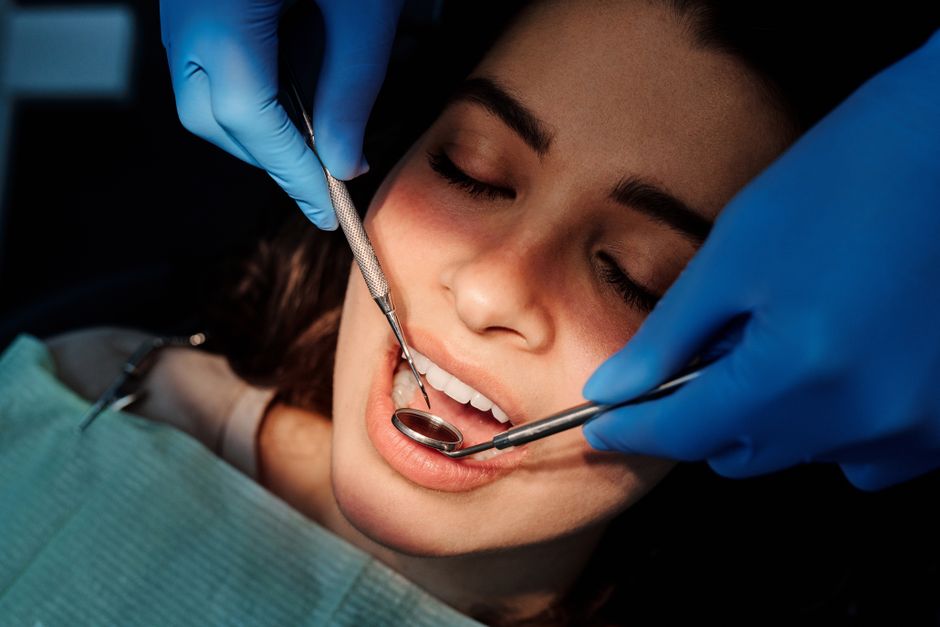
Lip filler injections are among the most common cosmetic procedures performed today. Most people expect some swelling or bruising afterward, but a surprising number report a strange, aching sensation in their teeth and gums. This discomfort is usually temporary and directly related to the anatomy of your upper lip and face, not damage to your teeth themselves.
When filler is placed near the upper lip, it can press on the nerves that supply feeling to your teeth and gums. The most common culprit is the infraorbital nerve, which runs through the cheek and branches down to the upper lip, nose, and upper teeth. Swelling in this area can briefly irritate that nerve, causing referred pain that feels like a toothache. In most cases, the sensation fades within a few days to two weeks as the swelling subsides and the filler settles.
Why does lip filler cause tooth and gum pain?
The pain you feel in your teeth after lip filler is almost always referred pain. That means the source of the problem is not your tooth—it is the tissue and nerves around it.
The infraorbital nerve provides sensation to the upper lip, the side of the nose, the lower eyelid, and the upper teeth on that side. When a practitioner injects filler into the lip, the volume of fluid and the resulting swelling can put pressure on this nerve. That pressure sends a signal to your brain that is interpreted as coming from the teeth, even though the teeth themselves are uninvolved.
The upper lip also has a rich blood supply. Injections can cause mild bruising or inflammation that extends into the surrounding tissues. This inflammation can irritate the small nerve branches that connect to the gums and the roots of the upper teeth. The result is a dull ache, a sharp twinge, or a feeling of pressure that seems to come from your mouth.
This is not a sign that something went wrong. It is a known and expected side effect of injections in this area, especially when filler is placed close to the gum line or into the border of the lip where the nerve endings are dense.
How long does tooth pain after lip filler last?
Most people notice the sensation within the first 24 to 48 hours after their appointment. This is when swelling typically peaks. As the swelling goes down, the pressure on the nerve decreases, and the pain fades.
For most patients, the discomfort resolves within three to seven days. In some cases, it can last up to two weeks. If the pain persists beyond two weeks, or if it gets worse instead of better, you should contact your injector and consider seeing a dentist to rule out an unrelated dental issue.
It is worth noting that the type of filler used can influence how long the sensation lasts. Some fillers attract more water and cause more swelling than others. Your injector can tell you which product they used and whether that explains your symptoms. However, no specific filler has been shown to cause nerve pain more than others in large studies.
Why Teeth Hurt After Lip Filler And How To Help: Immediate relief options
If the pain is mild, you may not need to do anything except wait. If it is uncomfortable, several safe options can help reduce the sensation while your body adjusts.
Cold compresses are the first line of defense. Applying an ice pack to the outside of your upper lip for 10 to 15 minutes at a time can reduce swelling, which in turn reduces pressure on the nerve. Never apply ice directly to the skin—wrap it in a clean cloth or use a purpose-made cold pack. Do this several times a day for the first 48 hours.
Over-the-counter pain relievers such as acetaminophen can help with the discomfort. Nonsteroidal anti-inflammatory drugs (NSAIDs) like ibuprofen can also reduce swelling, but you should ask your injector before taking them. Some practitioners advise against NSAIDs immediately after filler because they can increase bruising. Acetaminophen does not have that effect.
Elevating your head while sleeping can reduce swelling. Use an extra pillow to keep your head above your heart for the first two nights. This helps fluid drain away from your face and can shorten the duration of the nerve pressure.
Avoid hot drinks, spicy food, and vigorous exercise for the first 24 to 48 hours. Heat and increased blood flow can worsen swelling and prolong the pain.





When should you call your injector or see a doctor?
Most tooth pain after lip filler is harmless. However, there are situations where you should seek professional advice without delay.
Call your injector if the pain is severe, if you develop a fever, or if the area becomes increasingly red, hot, or swollen after the first 48 hours. These can be signs of infection, which is rare but requires treatment.
Seek immediate medical attention if you notice any of the following: numbness that spreads beyond the lip, difficulty moving your upper lip, vision changes, or a pale or bluish patch of skin on the lip. These symptoms can indicate vascular compromise, where filler has entered a blood vessel. This is a rare but serious complication that requires urgent management.
If your tooth pain is accompanied by sensitivity to hot or cold foods, pain when biting down, or a visible cavity, see a dentist. These are signs of a dental problem that is unrelated to your filler and needs its own treatment.
Can lip filler damage your teeth or nerves permanently?
Permanent nerve damage from lip filler is extremely rare. The infraorbital nerve and its branches are small, but they are well mapped by experienced injectors. Most practitioners avoid injecting directly into the nerve and use techniques that minimize the risk of hitting it.
When nerve irritation occurs, it is almost always temporary. The nerve is compressed by swelling, not cut or destroyed. Once the swelling resolves, the nerve returns to normal function. There is no evidence that lip filler causes lasting damage to tooth roots, enamel, or the jawbone.
That said, the skill of your injector matters. A practitioner who understands facial anatomy and uses proper injection techniques is far less likely to cause nerve irritation. If you are considering lip filler, choose a board-certified dermatologist, plastic surgeon, or a nurse practitioner with extensive injection experience. Ask how many injections they perform per month and whether they have dealt with nerve-related side effects before.
What to expect during your recovery
Your lips will be swollen for the first two to three days. This is normal and expected. The tooth pain you feel during this window is part of the same swelling process.
By day three or four, the swelling typically starts to go down. You may notice the toothache fades around the same time. Some people describe a tingling or “pins and needles” sensation as the nerve recovers. This is a good sign—it means the pressure is releasing.
Full results from lip filler are visible after about two weeks, once all swelling has subsided. If you still have pain at that point, it is worth investigating. Persistent pain beyond two weeks is not typical and should be evaluated.
Keep in mind that the final look of your lips will not be what you see in the first week. Swelling can make the lips look larger and more uneven than the final result. Do not judge the outcome until the two-week mark.
Frequently Asked Questions
Can lip filler cause a toothache?
Yes, lip filler can cause a temporary toothache because swelling puts pressure on the infraorbital nerve, which supplies sensation to the upper teeth. This referred pain usually resolves within one to two weeks as the swelling subsides.
How long does nerve pain last after lip filler?
Nerve-related pain after lip filler typically lasts three to seven days, though it can persist up to two weeks in some cases. If pain lasts longer than two weeks, contact your injector and consider a dental evaluation.
Should I take ibuprofen after lip filler for tooth pain?
Ask your injector before taking ibuprofen because it can increase bruising. Acetaminophen is generally a safer choice for pain relief after filler injections.
Is it normal for my teeth to hurt after lip filler?
Yes, it is a known side effect caused by temporary nerve pressure from swelling in the upper lip area. It is not a sign of damage to your teeth and usually fades within a few days.
