
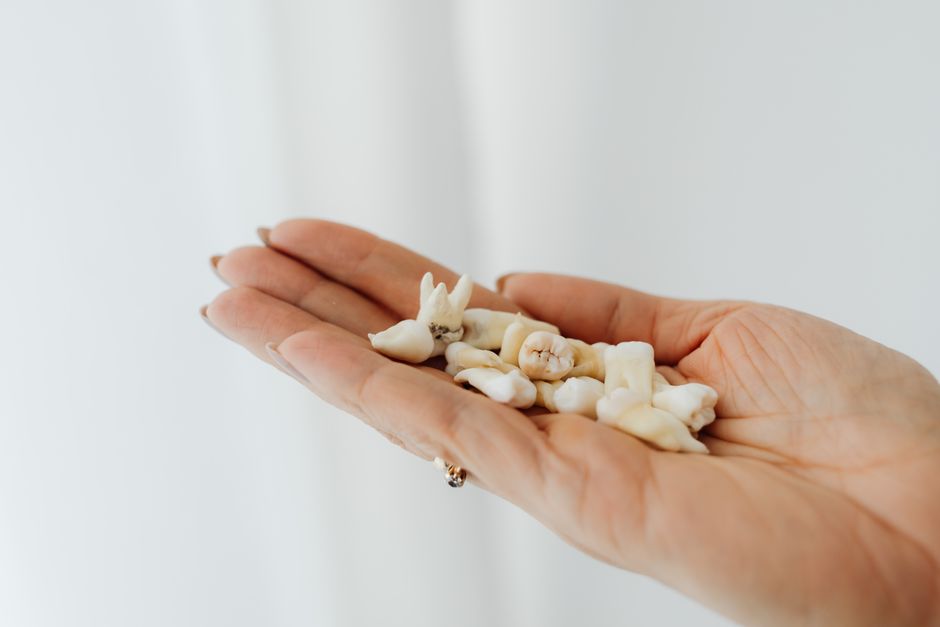
Yes, wisdom teeth can cause TMJ symptoms, but they are not the most common cause. The connection is real, but it is often indirect. Wisdom teeth can trigger jaw pain, clicking, and stiffness by changing how your jaw bites and moves. However, many people with wisdom teeth problems never develop TMJ, and many people with TMJ have no wisdom teeth issues at all.
What Is TMJ and What Are the Symptoms?
TMJ stands for temporomandibular joint. You have two of these joints, one on each side of your face, right in front of your ears. These joints connect your lower jaw to your skull. They allow you to open, close, and move your mouth side to side.
TMJ disorder is the term for problems with these joints and the muscles around them. Symptoms include jaw pain, clicking or popping sounds, difficulty opening your mouth fully, and pain when chewing. Some people also get headaches, earaches, or facial pain.
It is important to understand that TMJ disorder is not one single disease. It is a group of conditions with similar symptoms. This is why diagnosis can be complicated and why multiple factors are often involved.
How Can Wisdom Teeth Affect Your Jaw?
Wisdom teeth are the third molars. They usually come in between ages 17 and 25. Most people have four, but some have fewer or none at all.
Wisdom teeth can affect your jaw in several ways. When they are impacted, meaning they are stuck and cannot fully emerge, they may push against other teeth. This pressure can shift your bite. A changed bite forces your jaw muscles to work differently to close your mouth properly.
This altered muscle activity can lead to strain and spasm in the jaw muscles. Muscle tension and spasm are common contributors to TMJ-like pain. The joint itself may not be damaged, but the muscles around it are working overtime.
In some cases, an impacted wisdom tooth can cause inflammation that spreads to nearby tissues. This inflammation can irritate the joint or the muscles. The result can be pain and limited movement that feels like TMJ disorder.
Can Wisdom Teeth Removal Cause TMJ?
This is a common concern, and the evidence is mixed. Some people do develop TMJ symptoms after wisdom tooth extraction. Others find their existing symptoms improve after surgery.
During wisdom tooth removal, your mouth is held open for an extended period. This can strain the jaw joint and surrounding muscles. Some patients experience temporary stiffness and soreness afterward. For most, this resolves within a few weeks.
However, some research suggests that people who already have TMJ symptoms before surgery may be more likely to have persistent symptoms afterward. The surgery itself does not usually cause TMJ in someone with no prior symptoms. It is more accurate to say that surgery can aggravate an existing condition or bring attention to a problem that was already developing.
No clinical evidence currently confirms that routine wisdom tooth removal directly causes permanent TMJ disorder in healthy patients. The risk appears low, but it is not zero. Your oral surgeon should discuss this with you before the procedure.





What Are the Signs That Wisdom Teeth Are the Problem?
Not every case of jaw pain is related to wisdom teeth. There are some clues that point toward wisdom teeth as a contributing factor.
Pain that is localized to the back of your mouth near your molars is one sign. Swelling or redness in that area is another. Difficulty opening your mouth fully can also indicate a wisdom tooth problem, especially if it comes on suddenly.
If your jaw pain started around the same time your wisdom teeth were coming in, that timing is relevant. Shifting teeth or changes in your bite can also signal that your wisdom teeth are causing problems.
However, these signs can also be caused by other dental issues. An abscess, gum disease, or a cracked tooth can produce similar symptoms. A dental examination with X-rays is the only reliable way to determine if your wisdom teeth are involved.
What Other Conditions Cause TMJ Symptoms?
Many conditions can mimic TMJ disorder. It is essential to rule these out before assuming wisdom teeth are the cause.
Bruxism, which is teeth grinding or clenching, is one of the most common causes of jaw pain. Many people grind their teeth at night without knowing it. This puts enormous pressure on the jaw muscles and joints.
Arthritis can affect the jaw joint just like it affects other joints in the body. Osteoarthritis and rheumatoid arthritis can both cause jaw pain, stiffness, and limited movement.
Stress and anxiety are also significant contributors. Many people hold tension in their jaw muscles when stressed. This can lead to the same symptoms as TMJ disorder without any structural problem in the joint.
Injury to the jaw or neck can also cause TMJ-like symptoms. Whiplash from a car accident or a direct blow to the face can damage the joint or surrounding muscles.
What Are the Warning Signs That Your Jaw Pain Needs Immediate Attention?
Most TMJ symptoms are not emergencies. However, some signs require prompt medical or dental care.
Sudden inability to open your mouth more than a few millimeters is a warning sign. This condition, called lockjaw, needs professional evaluation. Severe swelling in your face or jaw can indicate an infection, especially if it is accompanied by fever.
Numbness in your face or chin is another concerning symptom. This can indicate nerve involvement. Difficulty swallowing or breathing alongside jaw pain is also a red flag.
If your jaw pain follows a recent injury, seek care promptly. Trauma to the face can cause fractures or joint damage that needs treatment. If you are unsure whether your symptoms are serious, it is better to have them evaluated than to wait.
How Are Wisdom Teeth and TMJ Diagnosed?
Diagnosis starts with a thorough history and physical examination. Your dentist or doctor will ask about your symptoms, when they started, and what makes them worse.
They will feel your jaw joints and muscles for tenderness. They will watch how you open and close your mouth. They will listen for clicking or popping sounds.
X-rays are essential for evaluating wisdom teeth. Panoramic X-rays show all your teeth and jawbones in one image. These can reveal impacted wisdom teeth, crowding, or other dental issues.
For TMJ evaluation, imaging may include specialized X-rays, CT scans, or MRI. These tests can show the position of the joint disc, signs of arthritis, or damage to the joint structures. However, imaging is not always necessary. Many cases of TMJ disorder can be diagnosed based on symptoms and physical examination alone.
What Treatments Are Available for Wisdom Teeth-Related TMJ?
Treatment depends on the cause and severity of your symptoms. Conservative approaches are usually tried first.
Over-the-counter pain relievers like ibuprofen can reduce pain and inflammation. Applying ice or heat to the jaw can also help. Eating soft foods and avoiding extreme jaw movements gives the muscles time to recover.
If your wisdom teeth are impacted, infected, or causing significant bite problems, removal may be recommended. Some patients find that their TMJ symptoms resolve after extraction. Others do not experience improvement. The evidence on this is mixed, and outcomes vary from person to person.
A mouthguard or splint can help if teeth grinding is contributing to your symptoms. These devices are worn at night and create a barrier between your upper and lower teeth. They do not stop grinding, but they can reduce the pressure on your jaw joint.
Physical therapy for the jaw is another option. This includes exercises to strengthen and relax the jaw muscles. Stress management techniques can also help if tension is a factor.
When Should You See a Professional?
You should see a dentist or doctor if jaw pain persists for more than a few weeks. You should also seek care if the pain is severe, worsening, or interfering with your daily life.
If you have difficulty eating or speaking because of jaw pain, that is a reason to seek help. Persistent clicking or popping that is accompanied by pain also warrants evaluation. A change in your bite, where your teeth no longer fit together normally, is another sign.
Early evaluation is important. Some causes of jaw pain are easier to treat when caught early. Waiting too long can allow the problem to become more entrenched and harder to manage.
Frequently Asked Questions
Can wisdom teeth cause TMJ pain?
Yes, wisdom teeth can contribute to TMJ pain, usually by shifting your bite or causing muscle strain. They are not the most common cause, but they can be a factor in some cases.
Will removing wisdom teeth cure TMJ?
Not always. Some people find their TMJ symptoms improve after extraction, but others do not. The evidence is mixed, and results vary from person to person.
How do I know if my jaw pain is from wisdom teeth or TMJ?
Only a dental examination with X-rays can determine the cause. Pain near the back of your mouth with swelling may point to wisdom teeth, but other conditions can cause similar symptoms.
Can wisdom tooth extraction cause TMJ disorder?
The risk is low, but some people develop temporary jaw symptoms after surgery. No clinical evidence currently confirms that routine extraction causes permanent TMJ disorder in healthy patients.
