
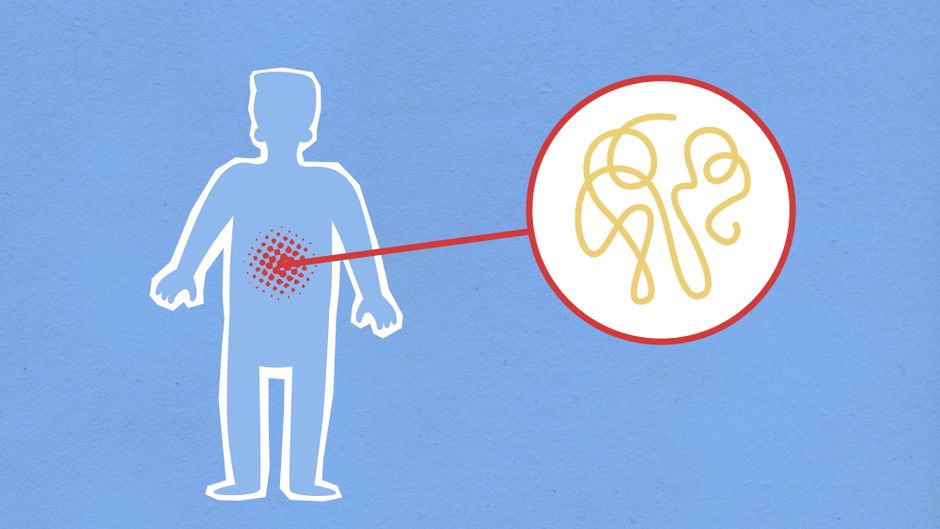
The stomach is a powerful organ. It produces acid strong enough to dissolve metal and enzymes designed to break down protein. Yet it does not digest itself. The answer lies in a protective layer of mucus, rapid cell repair, and a careful balance of chemical signals. When that system fails, problems like ulcers develop.
What Stops the Stomach From Digesting Its Own Tissue?
The stomach’s lining is not defenseless. It has three main layers of protection that work together constantly.
The first line of defense is a thick mucus barrier. Specialized cells called foveolar cells release mucus that coats the entire inner surface of the stomach. This mucus is not just a simple slime. It is rich in bicarbonate, a base that neutralizes acid on contact. The acid in your stomach has a pH around 1.5 to 3.5. Right at the surface of the stomach lining, that pH rises to closer to 7, which is neutral. This creates a chemical gradient that protects the cells underneath.
The second defense is the cells themselves. The stomach lining replaces its surface cells every few days. This rapid turnover means any cell that gets damaged by acid or enzymes is shed and replaced before the damage can spread deeper.
The third defense is the way digestive enzymes are activated. The stomach produces an inactive enzyme called pepsinogen. It only becomes active pepsin when it meets acid. This delay gives the stomach’s own proteins a chance to avoid early breakdown.
Why Doesn’t Stomach Acid Burn Through the Stomach Wall?
Hydrochloric acid in the stomach is extremely corrosive. Yet it sits against living tissue every minute of every day. The reason is the mucus-bicarbonate barrier mentioned above.
Think of it like a shield that constantly refreshes itself. The mucus layer traps bicarbonate right against the cell surface. Acid trying to reach the cells must pass through this neutral zone first. By the time it gets close to the tissue, it is no longer strong enough to cause damage.
This system works well under normal conditions. It fails when something disrupts the balance. Common disruptors include certain pain medications, bacterial infection, and excessive alcohol consumption.
What Happens When the Protection Fails?
When the mucus barrier thins or acid production rises too high, the stomach lining becomes vulnerable. The result is inflammation, known as gastritis. If the damage continues, an ulcer can form. An ulcer is an open sore in the lining that can bleed or even perforate the stomach wall.
The most common cause of ulcers is a bacterium called Helicobacter pylori. This bacteria has adapted to live in the harsh stomach environment. It produces enzymes that neutralize acid around it and burrows into the mucus layer. Over time, it weakens the protective barrier and causes chronic inflammation.
Another major cause is a class of pain relievers called nonsteroidal anti-inflammatory drugs, or NSAIDs. Common examples include ibuprofen and naproxen. These drugs block the production of prostaglandins, which are chemicals that help maintain the mucus barrier. Without enough prostaglandins, the stomach produces less protective mucus and becomes more vulnerable to its own acid.
This is why doctors often recommend taking NSAIDs with food and why long-term use requires monitoring.




How Does the Stomach Digest Protein Without Digesting Itself?
The stomach uses two main tools to break down protein: acid and the enzyme pepsin. Acid unfolds protein molecules, making them easier to cut. Pepsin then slices the protein into smaller pieces.
The stomach’s own walls are made of protein too. So why does pepsin not attack them?
Pepsin works best in a highly acidic environment. The mucus layer keeps the surface of the stomach at a much higher pH than the stomach interior. At that higher pH, pepsin loses most of its activity. It simply cannot cut the proteins of the stomach wall because the local conditions do not favor its function.
Also, pepsinogen is only secreted when food is present or when the body signals that digestion is needed. Between meals, the stomach produces far less of it.
What Does the Research Say About the Stomach’s Self-Protection?
Research on the stomach’s protective mechanisms has been ongoing for over a century. Early scientists were puzzled by why the stomach did not digest itself. The discovery of the mucus-bicarbonate barrier in the mid-20th century provided the first clear answer.
Studies have since confirmed that the mucus layer is dynamic. It is continuously secreted and eroded, maintaining a steady state that protects the underlying cells. Research published in peer-reviewed gastroenterology journals has detailed how this barrier responds to acid secretion, food intake, and injury.
More recent research has focused on how the stomach repairs itself after injury. When the mucus layer is breached, the underlying cells trigger a rapid healing response. Blood flow increases to the area, bringing oxygen and nutrients. Cells multiply to close the gap. This repair process is fast but not instantaneous. If the damaging agent remains, the repair cannot keep up.
Some research has also explored why the stomach does not digest itself during fasting. When the stomach is empty, acid can still be present. But the mucus barrier remains intact and continues to protect the lining. The stomach also reduces acid production when it is empty, although some acid remains.
Can the Stomach Ever Digest Itself?
Yes, under certain conditions. When the protective mechanisms fail, the stomach can damage itself. This is not the stomach digesting itself in a deliberate sense, but the result is similar. Acid and pepsin erode the stomach lining, causing ulcers.
In severe cases, an ulcer can erode completely through the stomach wall. This is a medical emergency called perforation. Stomach contents leak into the abdominal cavity, causing intense pain and infection. Surgery is usually required to repair the hole.
Another condition called autoimmune gastritis occurs when the immune system attacks the stomach’s acid-producing cells. This does not cause the stomach to digest itself, but it damages the stomach’s ability to produce acid and absorb certain nutrients, particularly vitamin B12.
Stress was once thought to cause stomach ulcers directly. Research has since shown that stress alone does not cause ulcers. However, stress can increase acid production and may worsen existing ulcers or delay healing.
How Do Doctors Treat Ulcers and Protect the Stomach?
Treatment depends on the cause. If H. pylori is present, doctors prescribe a combination of antibiotics and acid-reducing medications. This regimen usually clears the infection and allows the ulcer to heal.
If NSAIDs are the cause, stopping or reducing the medication is the first step. Doctors may also prescribe a proton pump inhibitor, such as omeprazole, to reduce acid production. These drugs are highly effective at allowing the stomach lining to heal.
Lifestyle changes can help protect the stomach as well. Limiting alcohol, avoiding smoking, and eating regular meals can reduce irritation. But these changes alone rarely cure an existing ulcer. Medical treatment is usually necessary.
Frequently Asked Questions
Can your stomach digest itself if you do not eat?
No. The mucus barrier remains active even when the stomach is empty. Fasting may cause hunger pangs, but it does not cause the stomach to digest its own tissue.
What causes the stomach lining to break down?
The most common causes are H. pylori infection and long-term use of NSAID pain relievers. Excessive alcohol and severe illness can also contribute to gastritis.
Why does the stomach not digest the mucus lining?
The mucus contains bicarbonate, which neutralizes acid at the surface of the stomach wall. Pepsin also becomes inactive at the higher pH found in the mucus layer.
Is it true that stress causes stomach ulcers?
No. Stress alone does not cause ulcers. It can increase acid production and may worsen existing ulcers, but the primary causes are bacterial infection and NSAID use.
