
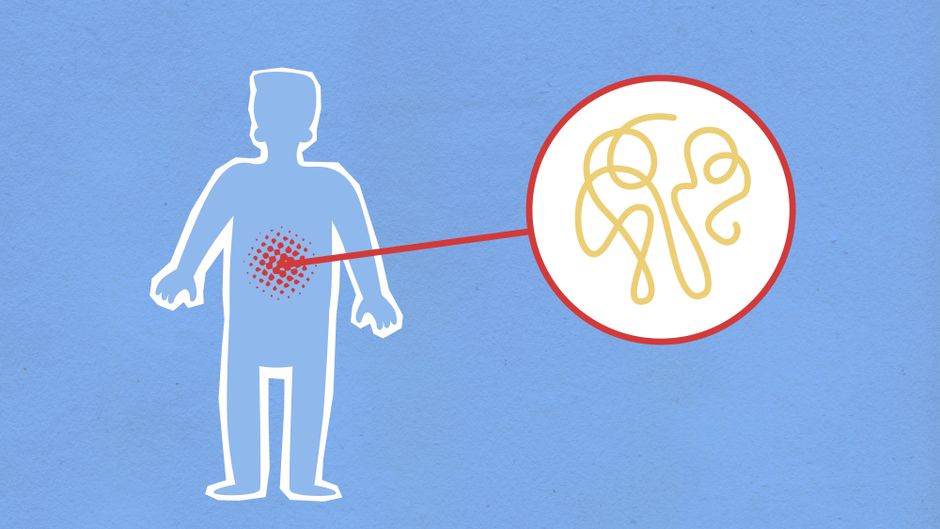
Inflammation of the stomach, known medically as gastritis, is a condition where the stomach lining becomes swollen, irritated, or eroded. It is not a single disease but a reaction pattern with many possible triggers, ranging from an infection to everyday pain relievers. The most common cause worldwide is an infection with the bacterium Helicobacter pylori (H. pylori), though lifestyle factors and certain medications also play significant roles. Understanding the difference between acute (sudden) and chronic (long-term) inflammation is the first step toward managing it effectively.
What Is Inflammation of the Stomach?
Gastritis is the medical term for inflammation of the stomach lining. This lining, called the mucosa, normally protects the stomach from the strong acid it produces to digest food. When that lining becomes inflamed, it can no longer provide the same level of protection.
The inflammation can be erosive, meaning it causes wearing away of the lining, or non-erosive, where the lining is irritated but intact. It can also be classified by how long it lasts. Acute gastritis comes on suddenly and is often intense. Chronic gastritis develops slowly and can persist for months or years if the underlying cause is not addressed.
What Causes the Stomach Lining to Become Inflamed?
The causes of gastritis fall into several clear categories. The most common is an H. pylori infection. This bacterium is uniquely adapted to survive in the acidic environment of the stomach. It burrows into the mucus layer and can directly damage the cells beneath, triggering an immune response that results in chronic inflammation.
Regular use of nonsteroidal anti-inflammatory drugs (NSAIDs) is another major cause. Medications like ibuprofen, naproxen, and aspirin interfere with the production of prostaglandins, which are chemicals that help protect the stomach lining. Without adequate prostaglandins, the lining becomes more vulnerable to acid damage.
Other causes include excessive alcohol consumption, which can directly irritate and erode the stomach lining. Severe physical stress, such as from major surgery, trauma, or burns, can also lead to acute gastritis by reducing blood flow to the stomach. Less common causes include autoimmune conditions where the body attacks its own stomach cells, bile reflux, and certain viral or fungal infections in people with weakened immune systems.
What Are the Symptoms of Stomach Inflammation?
Many people with gastritis have no symptoms at all. When symptoms do occur, they often include a burning or gnawing pain in the upper abdomen. This pain may improve or worsen after eating, depending on the individual and the cause.
Other common symptoms include nausea, a feeling of fullness after eating only a small amount, and bloating. Some people experience belching or a loss of appetite.
More serious symptoms warrant immediate medical attention. These include blood in the vomit, which may look bright red or like coffee grounds, and black or tarry stools, which indicate digested blood in the digestive tract. Unexplained weight loss and persistent severe pain are also red flags that require prompt evaluation.





How Is Gastritis Diagnosed?
Diagnosis begins with a thorough medical history and physical examination. Your doctor will ask about your symptoms, medication use, and alcohol consumption. Based on this information, they may order tests to confirm the diagnosis and identify the cause.
An upper endoscopy is the most definitive way to diagnose gastritis. During this procedure, a thin, flexible tube with a camera is passed through the mouth into the stomach. This allows the doctor to see the lining directly and take small tissue samples, called biopsies, for analysis.
For detecting H. pylori, several non-invasive tests are available. These include a breath test where you drink a special solution and then breathe into a bag, a stool antigen test, and a blood antibody test. The breath and stool tests are preferred because they can distinguish between a current infection and a past one. Blood tests check for antibodies, which can remain positive for years after the infection has cleared.
What Treatment Options Are Supported by Research?
Treatment for gastritis depends entirely on the underlying cause. If H. pylori is present, the standard approach is eradication therapy. This typically involves a combination of antibiotics and a proton pump inhibitor (PPI), a medication that reduces stomach acid production. This regimen is usually taken for 10 to 14 days. After treatment, a follow-up test confirms whether the infection has been successfully cleared.
For NSAID-induced gastritis, the primary treatment is stopping the offending medication. Your doctor may also prescribe a PPI or an H2 blocker, another class of acid-reducing drugs, to allow the lining to heal. Acid reducers work by decreasing the amount of acid the stomach produces, giving the inflamed tissue a chance to recover.
Antacids provide faster but shorter-lasting relief by neutralizing acid already present in the stomach. They are useful for symptom control but do not heal the underlying inflammation. For autoimmune gastritis, treatment focuses on managing the condition and addressing nutritional deficiencies, particularly vitamin B12 deficiency, which is common in this form.
Can Diet and Lifestyle Changes Help?
Diet and lifestyle modifications cannot cure gastritis caused by H. pylori or NSAID use, but they can significantly reduce symptoms and support healing. Research consistently shows that avoiding irritants is more effective than adding specific “healing” foods.
Limiting or eliminating alcohol is strongly advised. Alcohol directly irritates the stomach lining and increases acid production. If you smoke, quitting is important because smoking impairs the stomach lining’s ability to defend itself and slows healing.
Eating smaller, more frequent meals may help some people by preventing the stomach from becoming overly full and distended. Spicy, acidic, or fried foods trigger symptoms in many individuals, though this varies. Keeping a food diary can help you identify your personal triggers. Some research suggests that foods rich in antioxidants, such as fruits and vegetables, may support overall digestive health, but no specific diet has been proven to treat gastritis on its own.
What Happens If Gastritis Is Left Untreated?
Untreated chronic gastritis can lead to serious complications over time. The most significant risk is the development of peptic ulcers, which are open sores in the stomach lining. These can bleed, causing the serious symptoms described earlier.
Chronic inflammation from H. pylori infection can also lead to atrophic gastritis, a condition where the stomach lining thins and loses its ability to produce digestive juices. This increases the risk of gastric cancer and other complications.
Another potential complication is the development of gastric polyps, which are growths on the stomach lining. Most are benign, but some types carry a risk of becoming cancerous. Prompt treatment of the underlying cause of gastritis significantly reduces the risk of these complications.
When Should You See a Doctor?
You should seek medical evaluation if you experience persistent upper abdominal pain, frequent nausea, or unexplained weight loss. These symptoms warrant a professional assessment to determine the cause and appropriate treatment.
Seek emergency care immediately if you vomit blood, notice black or tarry stools, or experience severe abdominal pain. These signs may indicate gastrointestinal bleeding, which requires urgent medical intervention. Do not attempt to treat these symptoms at home with over-the-counter remedies.
Frequently Asked Questions
Can stress cause inflammation of the stomach?
Severe physical stress, such as from major surgery or trauma, can cause acute gastritis by reducing blood flow to the stomach lining. Everyday psychological stress is not a direct cause, but it can worsen symptoms in people who already have gastritis.
How long does it take for gastritis to heal?
Acute gastritis may improve within a few days once the irritant is removed or the infection is treated. Chronic gastritis can take weeks to months to heal, and some forms require ongoing management.
Is gastritis the same as an ulcer?
No. Gastritis is inflammation of the stomach lining, while an ulcer is an open sore that penetrates deeper into the stomach wall. Gastritis can lead to ulcers if left untreated.
Can gastritis go away on its own?
Mild cases caused by temporary factors like a short course of NSAIDs may resolve once the trigger is removed. Gastritis caused by H. pylori infection will not resolve without antibiotic treatment.
