
Plasma donation is a common way to earn money and help patients, but not everyone is eligible. The main reasons you shouldn’t donate plasma are medical, safety-related, or logistical: certain health conditions, medications, recent tattoos or piercings, pregnancy, and low body weight can all disqualify you. Donation centers also screen for infectious diseases and check your protein and iron levels before every donation.
If you’ve been turned away or you’re wondering whether you qualify, the reason usually falls into one of a few clear categories. Understanding them helps you know whether the issue is permanent or temporary.
Why Shouldn’t You Donate Plasma? The Core Reasons
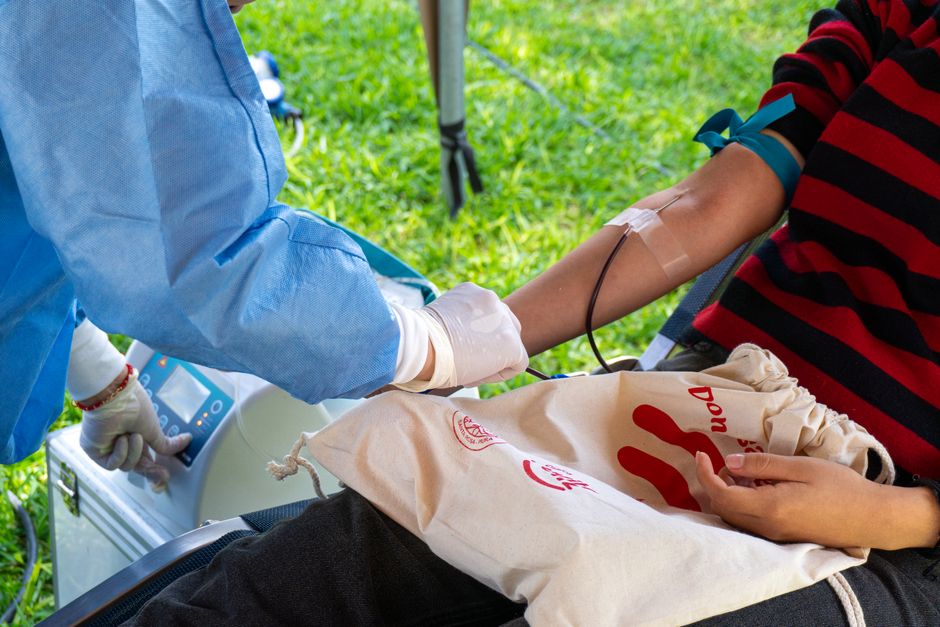
Plasma is the liquid part of your blood. It carries proteins that help with clotting, immunity, and fluid balance. When you donate plasma, a machine separates the plasma from your blood cells and returns the cells to your body. This process, called plasmapheresis, takes longer than a whole blood donation and puts specific demands on your body.
Because plasma is mostly water and protein, frequent donation can affect your hydration and protein levels. That’s why centers enforce strict eligibility rules. The reasons you shouldn’t donate generally fall into three groups:
- Health conditions that make donation risky for you or the recipient
- Medications and treatments that could pass into the plasma
- Physical requirements like weight, vein quality, and hydration status
None of these reasons mean something is wrong with you. They mean the donation system is built to protect both donors and the people receiving plasma.
What Health Conditions Disqualify You From Donating Plasma?
Certain health conditions make plasma donation unsafe or impractical. The screening is thorough because plasma goes to people with serious illnesses, including immune disorders and bleeding conditions.
Conditions that commonly lead to deferral or permanent disqualification include:
- Active infections or a fever on the day of donation
- HIV, hepatitis B, hepatitis C, or other bloodborne infections
- Certain cancers, depending on type and treatment history
- Serious heart conditions, including heart failure
- Uncontrolled high blood pressure
- Blood clotting disorders
- Severe anemia or low protein levels
Some conditions cause a temporary deferral. Others are permanent. A center’s medical staff makes the final call based on your health history and current test results.
One detail people often miss: plasma carries clotting factors and antibodies. If you have an autoimmune condition or a clotting disorder, donation may not be safe for you, and your plasma may not be suitable for recipients. This isn’t about judgment. It’s about matching donors to the specific needs of patients.
Can Medications Stop You From Donating Plasma?
Yes. Many medications disqualify you, at least temporarily. The concern is that a drug could pass into the plasma and affect the recipient, or that the medication signals an underlying condition that makes donation unsafe.
Medications that commonly cause deferral include:
- Blood thinners such as warfarin
- Certain acne medications, including isotretinoin
- Some antibiotics, until you finish the course
- Hormone treatments and testosterone
- Immunosuppressants
- Certain psychiatric medications, depending on the specific drug
The rules vary by center and by drug. Some medications require a waiting period after your last dose. Others are fine as long as the underlying condition is stable and controlled.
Don’t stop a prescribed medication to donate. That’s a real risk, and it isn’t worth it. Talk to your prescriber and the donation center instead. In many cases, there’s a clear answer about whether you qualify.





Why Do Tattoos and Piercings Cause a Waiting Period?
Recent tattoos and piercings trigger a temporary deferral because of infection risk. If the equipment wasn’t sterile, a bloodborne infection could enter your bloodstream. That infection might not show up on tests right away.
Many centers require a waiting period after a new tattoo or piercing. The length depends on the state and the center. In some places, a tattoo from a licensed, regulated facility may not cause a deferral at all, while an unregulated one does.
This rule exists to protect the plasma supply. It’s not about the art itself. It’s about whether the process that created it carried any infection risk.
Does Pregnancy or Recent Childbirth Affect Eligibility?
Pregnancy is a disqualifying factor for plasma donation. During pregnancy, your body can develop antibodies against proteins from the fetus’s father. These antibodies can stay in your blood for years.
If those antibodies end up in donated plasma, they can cause a serious reaction in a recipient. This condition is rare but well documented. Because of it, many centers permanently defer women who have been pregnant, while others apply specific rules based on antibody testing.
Recent childbirth also requires a waiting period before you can donate. The exact timeline varies, so check with the center directly.
This is one of the clearest examples of why screening matters. The donor feels fine. The risk is entirely on the recipient’s side.
What Physical Requirements Might Rule You Out?
Plasma donation has physical requirements that have nothing to do with disease. They’re about whether your body can handle the process safely.
Common requirements include:
- Weight: Most centers require a minimum weight, often around 110 pounds, though this varies.
- Hydration: Dehydration can make the process difficult and increase side effects.
- Vein quality: The needle needs a reliable vein. Hard-to-find veins can mean you can’t donate.
- Protein and iron levels: Centers test these before donation. Low levels mean a deferral.
- Age: Most centers allow donation from age 18, with some variation for older adults.
These aren’t permanent barriers in most cases. Drinking enough water, eating well, and waiting until your levels recover can put you back in range. But if you consistently fail the protein or iron check, that’s worth discussing with a doctor.
Are There Risks to Donating Plasma Frequently?
Frequent plasma donation can have real effects on your body. The process removes fluid and proteins, and your body needs time to replace them.
Possible effects include:
- Dehydration and dizziness
- Fatigue
- Bruising or soreness at the needle site
- Lower protein levels over time
- Reduced antibody levels with very frequent donation
Centers limit how often you can donate and how many times per week or month. These limits exist for a reason. Donating more often than allowed isn’t a shortcut. It raises the chance of side effects and can affect your health.
Some research suggests that very frequent plasma donation can lower immunoglobulin levels, which are part of your immune defense. The evidence on long-term effects is still developing, and more study is needed. What’s clear is that the frequency limits aren’t arbitrary.
How Do You Find Out If You Qualify?
The only reliable way to know is to go through the screening process. A donation center will check your health history, medications, weight, and blood levels before you donate.
You can prepare by:
- Drinking plenty of water in the days before
- Eating a protein-rich meal beforehand
- Avoiding alcohol and heavy exercise right before
- Bringing a list of your medications
- Getting a good night’s sleep
If you’re deferred, ask why. Staff can usually tell you whether it’s temporary or permanent, and what would need to change. That information is yours to have.
Being turned away isn’t a verdict on your health. It’s a screening result. Many deferrals are temporary, and many people who are deferred today can donate later.
Frequently Asked Questions
Why can’t you donate plasma if you’re pregnant?
Pregnancy can cause your body to make antibodies against proteins from the baby’s father, and those antibodies can harm a plasma recipient. Many centers permanently defer women who have been pregnant, though rules vary.
Can you donate plasma if you take medication?
It depends on the drug. Blood thinners, certain acne medications, and some hormone treatments cause deferrals, while others are allowed if your condition is stable. Never stop a prescribed medication just to donate.
How long after a tattoo can you donate plasma?
The waiting period varies by state and center, and some locations don’t defer at all if the tattoo was done at a licensed facility. Check with your specific center for the exact rule.
What happens if you’re underweight for plasma donation?
Most centers require a minimum weight, often around 110 pounds, because the process removes fluid and proteins from your body. If you’re under the limit, you’ll be deferred until you meet it.
