
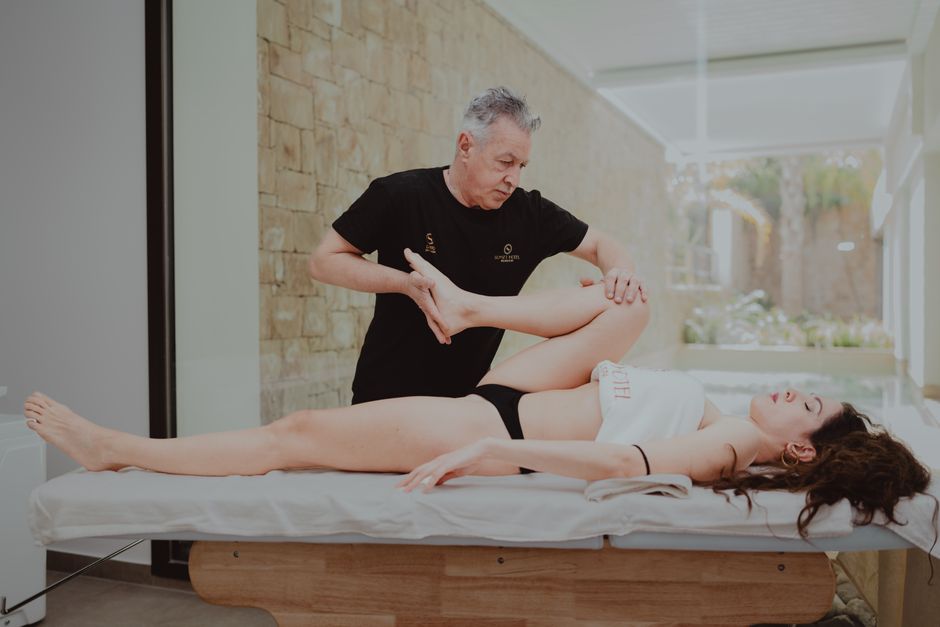
Joint pain is one of the most common complaints women bring to their doctors during perimenopause and after menopause — and it is not imagination or aging alone. Low estrogen does contribute to joint pain in many women, though the way it does so is indirect. Estrogen helps regulate inflammation and supports the cartilage, fluid, and connective tissue inside joints. When levels fall, those protective effects weaken, and joints can become stiffer, achier, and more prone to injury. The discomfort is real, it is common, and it has a physiological explanation.
Does Low Estrogen Cause Joint Pain?
Yes. Estrogen receptors are present in joint tissues, including cartilage, synovial lining, and ligaments. When estrogen declines, these tissues lose a form of chemical support they had grown used to. The result is not damage in the way arthritis damages a joint, but a change in how the joint feels and functions.
Research consistently shows that musculoskeletal pain — including joint pain — rises during the menopausal transition. Studies tracking women across perimenopause have found higher rates of joint and muscle aches in the years when estrogen is fluctuating and then falling. This does not mean every woman with low estrogen will have joint pain. It means the hormonal shift is a genuine contributing factor, not a coincidence.
The pain is usually described as stiffness and aching rather than sharp or shooting. It often shows up in the hands, knees, shoulders, and hips. Many women notice it most in the morning or after sitting still for a while.
Why Does Estrogen Loss Affect Joints?
Estrogen does more than regulate the menstrual cycle. It plays a role in inflammation, fluid balance, and the maintenance of connective tissue throughout the body. When it drops, several things happen at once.
First, estrogen helps keep inflammation in check. It influences how immune cells behave and how much of certain inflammatory signaling molecules circulate in the body. Less estrogen can mean a slightly more inflammatory environment, and joints are sensitive to that.
Second, estrogen supports the synovial fluid that lubricates joints. Synovial fluid is what allows cartilage surfaces to glide smoothly. Changes in its volume or consistency can make movement feel rougher and stiffer.
Third, estrogen is involved in collagen production. Collagen is a structural protein in cartilage, tendons, and ligaments. As estrogen falls, collagen turnover can shift, and connective tissue may become less resilient. This is part of why some women notice more tendon and ligament problems after menopause, not just joint aches.
None of these changes happen overnight. They unfold gradually, which is why joint pain in perimenopause often builds slowly rather than appearing suddenly.
What Does Low Estrogen Joint Pain Feel Like?
The pattern matters. Low estrogen joint pain tends to be symmetrical, meaning it affects the same joints on both sides of the body. It is usually worse in the morning or after periods of inactivity. It generally improves with movement, though too much activity can make it flare.
Common locations include:
- Fingers and hands, especially the small joints
- Knees
- Shoulders
- Hips
- Lower back
Some women also notice their joints feel less stable, or that they develop aches in tendons and muscles alongside the joint pain. This is consistent with the connective tissue changes described above.
The pain is typically mild to moderate. If it is severe, one-sided, accompanied by swelling, redness, or warmth, or if it comes with fever or rash, that is a different picture and needs medical evaluation. Those signs point toward inflammatory arthritis or infection, not hormonal joint pain.





Is It Menopause Arthritis or Something Else?
There is no diagnosis called “menopause arthritis.” The term is sometimes used casually to describe joint pain around menopause, but it is not a recognized medical condition. The pain is real, but the label is not precise.
What can happen is that menopause overlaps with the years when osteoarthritis becomes more common. Osteoarthritis is a degenerative joint disease that affects cartilage over time. Its risk rises with age, and menopause often happens at the same age. The two can be happening at once, which makes it hard to tell what is causing what.
Rheumatoid arthritis is different. It is an autoimmune condition that causes inflammation in the joint lining. It often starts in the small joints of the hands and feet and tends to be more severe and persistent than hormonal joint pain. It also usually comes with swelling and can affect the whole body.
If joint pain is new, persistent, or interfering with daily life, it deserves a proper evaluation. A doctor can distinguish between these possibilities with a physical exam, blood tests, and sometimes imaging.
When Does Joint Pain Start in the Menopausal Transition?
Joint pain often begins in perimenopause, not after menopause. Perimenopause is the years leading up to the final menstrual period, when estrogen levels swing up and down unpredictably. This fluctuation can be just as disruptive as the eventual low levels.
Perimenopause commonly starts in a woman’s mid-to-late 40s, though it can begin earlier. The average age of menopause in the United States is around 51. Joint symptoms can appear at any point during this transition and may continue after menopause.
Timelines vary widely. Some women have joint pain for a few years and then it settles. Others find it persists. There is no single pattern that applies to everyone, and no reliable way to predict how long it will last for any one person.
What Helps Joint Pain From Low Estrogen?
The evidence for treating hormonal joint pain is mixed. Some approaches have reasonable support, others are widely used but not strongly backed by trials. It is worth being clear about which is which.
Hormone therapy is one option that some clinicians recommend for menopausal symptoms, including joint pain. Whether it reliably improves joint pain specifically is not firmly established. Some studies suggest benefit, but results vary. Hormone therapy carries its own risks and benefits, and decisions about it should be made with a doctor who knows your history.
Regular movement helps. Low-impact activity like walking, swimming, and cycling keeps joints lubricated and supports the muscles around them. This is well established for joint health generally, though it is not specific to hormonal joint pain.
Strength training supports the muscles that stabilize joints. It is widely recommended for joint health and bone health, especially after menopause when bone density also declines.
Anti-inflammatory approaches — such as maintaining a healthy weight and eating a diet rich in vegetables, fruits, and omega-3 sources — are generally recommended for joint health. Whether they specifically address hormonal joint pain is less clear.
Over-the-counter pain relievers can help with symptoms. They do not address the underlying hormonal change. Anyone considering regular use should talk to a doctor or pharmacist about risks, especially with long-term use.
Some clinicians recommend supplements like glucosamine or turmeric. The evidence for these is mixed and generally not strong. No large human trials have confirmed they reliably reduce hormonal joint pain.
What Else Can Cause Joint Pain at This Stage of Life?
Low estrogen is not the only explanation. Several other factors become more common at the same age, and they can overlap.
Osteoarthritis becomes more common with age. Its risk rises steadily after 40 and continues to climb. It causes joint pain that worsens with activity and improves with rest.
Thyroid changes are more common in women around menopause. Both an underactive and overactive thyroid can cause joint and muscle pain. A simple blood test can check for this.
Autoimmune conditions like rheumatoid arthritis and lupus are more common in women, and they often first appear in midlife. They cause joint pain along with other symptoms that a doctor can identify.
Medication side effects can also cause joint pain. Some blood pressure medications, cholesterol medications, and others have been linked to muscle and joint aches. If joint pain started after a new medication, that is worth mentioning to a doctor.
Vitamin D deficiency is common and can cause bone and muscle pain. It is easily checked with a blood test.
Because so many possibilities exist, joint pain that is new, persistent, or worsening should be evaluated rather than assumed to be hormonal.
When Should You See a Doctor?
See a doctor if joint pain is severe, lasts more than a few weeks, or interferes with sleep, work, or daily activities. Also see a doctor if you notice swelling, redness, or warmth in a joint, or if the pain is one-sided.
Other reasons to seek care include joint pain with fever, rash, or unexplained weight loss, or joint pain that comes with numbness, tingling, or weakness. These signs suggest something other than low estrogen and need prompt evaluation.
If you are in perimenopause or menopause and joint pain is affecting your quality of life, it is reasonable to bring it up with your doctor. It is a common complaint, and it deserves attention rather than being dismissed as something you have to live with.
Frequently Asked Questions
Does low estrogen cause joint pain?
Yes, low estrogen contributes to joint pain in many women by affecting inflammation, synovial fluid, and connective tissue. It is not the only cause, but it is a well-recognized factor during perimenopause and menopause.
What does low estrogen joint pain feel like?
It usually feels like stiffness and aching in the hands, knees, shoulders, and hips, often worse in the morning or after rest. It tends to be symmetrical and improves with gentle movement.
Is menopause joint pain the same as arthritis?
No, they are different. Hormonal joint pain is related to estrogen changes, while osteoarthritis is a degenerative joint disease and rheumatoid arthritis is an autoimmune condition.
Can hormone therapy help with joint pain?
Some studies suggest hormone therapy may improve joint pain, but results vary and it is not firmly established as a treatment for this specific symptom. Decisions about hormone therapy should be made with a doctor.
