
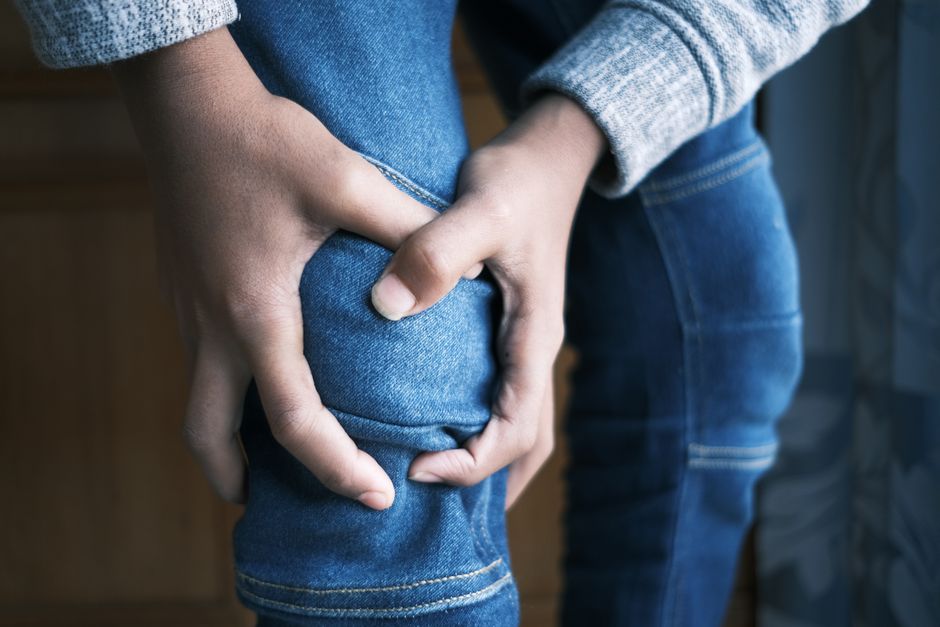
Joint pain is one of the most common reasons adults visit a doctor, yet most people don’t know exactly why it starts. The real answer is that joint pain is usually a sign of inflammation or wear and tear inside the joint itself, not a mystery that requires endless guessing. Understanding the actual cause behind your aching knees, hips, or hands is the first step toward finding relief that lasts.
What Actually Happens Inside a Painful Joint
Your joints are where two bones meet. Healthy joints have cartilage, a smooth tissue that cushions the bones and lets them glide past each other. A thin lining called the synovium produces fluid that lubricates the joint. Nerves surround the joint capsule.
When something goes wrong in this system, pain follows. The most common problem is cartilage breakdown. When cartilage wears away, bones rub against each other. That friction irritates the nerves around the joint, and you feel it as a deep, aching pain.
Inflammation is the other major culprit. The synovium can become swollen and thickened. Inflamed joints feel warm, look red, and hurt even when you’re resting. Morning stiffness that lasts longer than 30 minutes often points to inflammation rather than simple wear and tear.
Understanding this basic anatomy matters because it explains why different conditions need different treatments. Cartilage wear needs protection and support. Inflammation needs to be quieted down.
Why My Joints Are Paining: The Most Common Causes
If you’re asking “why my joints are paining,” the answer usually falls into one of several categories. Osteoarthritis is the most common cause of joint pain in adults over 40. It happens when cartilage gradually thins over years of use. Weight-bearing joints like knees and hips are most often affected. The pain typically worsens with activity and improves with rest.
Rheumatoid arthritis is different. It’s an autoimmune disease where the immune system attacks the synovium lining the joints. It often affects the same joints on both sides of the body, like both wrists or both hands. Pain and stiffness are usually worse in the morning.
Gout is another distinct cause. It happens when uric acid crystals deposit in a joint, usually the big toe. The pain comes on suddenly and is intensely severe. The joint becomes swollen, red, and extremely tender to touch.
Injuries also cause joint pain. Ligament sprains, cartilage tears, and tendon inflammation can all produce pain that mimics arthritis. A history of trauma, like a sports injury or a fall, makes this more likely.
Less common but important causes include infections, which require urgent medical care, and conditions like lupus or psoriatic arthritis. If your joint pain came on suddenly with swelling and fever, seek medical attention promptly.
How Stress and Lifestyle Affect Your Joints
Everyday habits influence joint health more than most people realize. Excess body weight is one of the strongest risk factors for knee osteoarthritis. Each extra pound of body weight adds roughly four pounds of pressure across the knees during walking. Losing weight, even a modest amount, can meaningfully reduce joint stress.
Physical activity has a protective effect when done correctly. Regular movement keeps cartilage nourished because joint fluid circulates during motion. But repetitive high-impact activity without proper recovery can accelerate cartilage wear. The key is finding the right balance for your body.
Sleep quality also matters. During deep sleep, your body repairs tissues including cartilage. Chronic poor sleep is linked to higher levels of pain sensitivity. People who sleep poorly often feel more pain from the same amount of joint damage.
Stress amplifies pain perception. When you’re stressed, your body produces hormones that increase inflammation. Stress also makes you less likely to exercise and more likely to eat poorly. This creates a cycle where pain causes stress, and stress worsens pain.




When Joint Pain Is Not Arthritis
Not all joint pain comes from arthritis. Some pain originates in the structures around the joint. Bursitis is inflammation of the fluid-filled sacs that cushion joints. Tendonitis is inflammation of the tendons that attach muscle to bone. These conditions can feel exactly like joint pain but respond to different treatments.
Referred pain is another possibility. Problems in your hip can cause knee pain. Issues in your lower spine can cause hip pain. This happens because nerves from different areas converge and the brain interprets the signal as coming from the joint.
Fibromyalgia causes widespread pain that can include joints, but it’s not a joint disease. The joints themselves are healthy. The problem is how the brain processes pain signals. People with fibromyalgia often have tender points and fatigue along with their pain.
If your pain is sharp rather than aching, or if it’s accompanied by numbness or tingling, the source may be a nerve rather than the joint itself. This distinction changes the entire treatment approach.
Diagnosing the Real Cause of Joint Pain
There is no single test that identifies the cause of joint pain. Diagnosis starts with a careful history. Your doctor will ask when the pain started, what makes it better or worse, and whether you have other symptoms like fatigue or fever.
A physical exam provides important clues. Doctors check for swelling, warmth, redness, and range of motion. They look at which joints are affected and whether the pattern is symmetric or one-sided.
Imaging helps confirm the diagnosis. X-rays show bone changes and joint space narrowing, which indicate osteoarthritis. Ultrasound and MRI can show inflammation in the synovium, cartilage damage, and tendon or ligament problems. Blood tests can detect markers of inflammation and specific antibodies associated with autoimmune conditions.
Some doctors use joint aspiration, removing fluid from the joint with a needle. This test can confirm gout by finding uric acid crystals. It can also rule out infection. The procedure is quick and provides definitive answers in many cases.
What Actually Helps Joint Pain: Evidence-Based Options
Treatment depends on the underlying cause. For osteoarthritis, the strongest evidence supports exercise and weight loss. Physical therapy strengthens the muscles around the joint, which reduces the load on cartilage. Low-impact activities like swimming and cycling are well-tolerated by most people with arthritis.
Over-the-counter pain relievers like acetaminophen and nonsteroidal anti-inflammatory drugs (NSAIDs) such as ibuprofen can help. Use them at the lowest effective dose for the shortest time needed. Long-term daily use of NSAIDs carries risks to the stomach and kidneys.
Topical treatments are underused. Gels and patches containing NSAIDs deliver medication directly to the painful joint with less systemic absorption. Some research suggests they work as well as oral versions for knee osteoarthritis with fewer side effects.
For rheumatoid arthritis and other inflammatory conditions, disease-modifying drugs are the standard of care. These medications quiet the immune system and prevent joint damage. Starting them early makes a significant difference in long-term outcomes.
Corticosteroid injections can provide temporary relief for both osteoarthritis and inflammatory arthritis. They reduce inflammation quickly but do not repair damaged cartilage. Most doctors limit injections to a few times per year in the same joint.
Supplements and Alternative Treatments: What the Evidence Shows
Glucosamine and chondroitin are the most popular joint supplements. Large studies have produced mixed results. Some people report meaningful relief, but clinical trials show little average benefit compared to placebo. The evidence does not support them as a proven treatment for joint pain.
Turmeric and curcumin supplements have shown some anti-inflammatory effects in small studies. Results are promising but not conclusive. No large human trials have confirmed that turmeric reliably reduces joint pain.
Fish oil contains omega-3 fatty acids, which have anti-inflammatory properties. Some studies suggest modest benefits for rheumatoid arthritis. The evidence for osteoarthritis is weaker.
Acupuncture has been studied for knee osteoarthritis. Some trials show small improvements in pain and function. The effect may relate to placebo response, but if it helps you without harm, many clinicians consider it a reasonable option.
Heat and cold therapy are simple and safe. Heat relaxes muscles and increases blood flow. Cold reduces inflammation and numbs pain. Use whichever feels better to you.
Be honest with yourself about supplements. Most have limited evidence. If you try one, give it a fair trial of several weeks and stop if you don’t notice a difference. Always tell your doctor about supplements you take because some interact with medications.
When to See a Doctor for Joint Pain
Some joint pain warrants prompt medical attention. See a doctor if the joint is hot, red, or severely swollen. These signs can indicate infection, which requires urgent treatment.
Seek care if pain follows an injury and you cannot bear weight on the joint or move it normally. You may have a fracture or ligament tear that needs evaluation.
Pain that persists beyond a few weeks despite home treatment deserves a medical assessment. So does pain that interferes with sleep or daily activities. Early diagnosis leads to better outcomes for most joint conditions.
If you have joint pain along with fever, unexplained weight loss, or fatigue, mention these symptoms to your doctor. They can signal systemic conditions that need specific treatment.
Living Well With Joint Pain
Many people live active, full lives with joint pain. The key is finding strategies that work for your specific condition. What helps your neighbor’s knee pain may not help your hand pain.
Movement is medicine. Gentle, regular activity keeps joints mobile and muscles strong. If you’re unsure what’s safe, ask a physical therapist for guidance. They can design a program around your limitations.
Pace yourself. Break tasks into shorter segments with rest in between. Learn to listen to your body’s signals. Pain that lingers after activity usually means you did too much.
Management, not cure, is often the realistic goal. Most joint conditions do not disappear entirely. But with the right approach, most people can reduce pain enough to do what matters to them.
Frequently Asked Questions
What is the most common cause of joint pain in adults over 40?
Osteoarthritis is the most common cause, resulting from gradual cartilage wear over time. It most often affects weight-bearing joints like the knees and hips.
How can I tell if my joint pain is from inflammation or wear and tear?
Inflammatory pain typically causes morning stiffness lasting over 30 minutes, swelling, and warmth in the joint. Wear-and-tear pain usually worsens with activity and improves with rest.
When should I worry about joint pain?
See a doctor if the joint is hot, red, or severely swollen, or if pain follows an injury and you cannot bear weight. Pain lasting more than a few weeks despite home care also deserves medical evaluation.
Do glucosamine supplements actually work for joint pain?
Large studies show mixed results, with little average benefit compared to placebo. Some individuals report relief, but the evidence does not support glucosamine as a proven treatment.
