
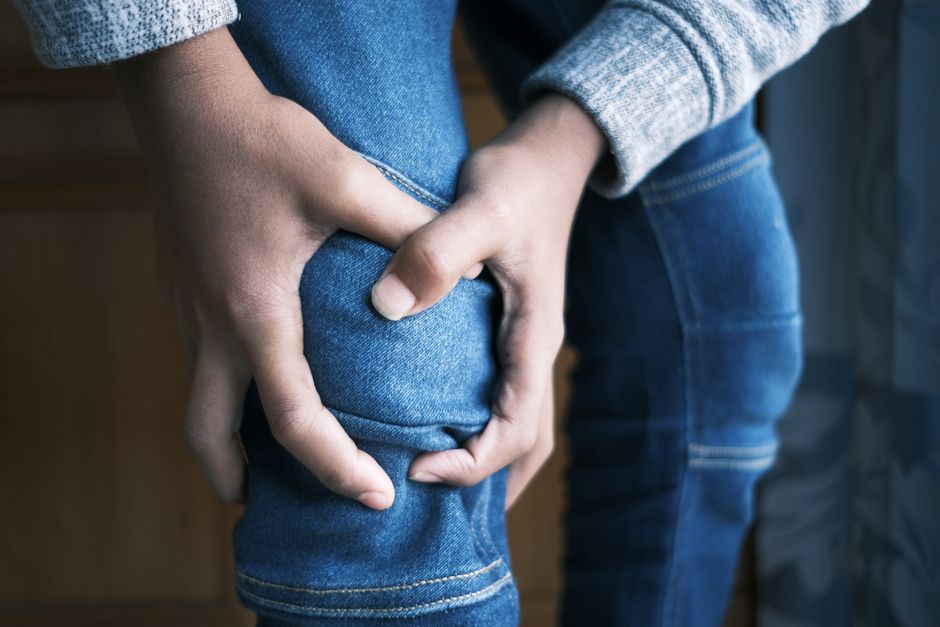
Joint pain has a way of making everything harder. Stairs, jar lids, a walk around the block — all of it can suddenly feel like a negotiation. The real answer is that painful joints almost always come down to one of a few processes: inflammation inside the joint, wear on the cartilage that cushions it, injury to the soft tissues around it, or a misfire in the immune system that attacks the joint directly. Most cases trace back to osteoarthritis, an injury, or an inflammatory condition like rheumatoid arthritis, though crystals, infections, and other diseases can also be responsible.
Knowing which process is driving your pain matters. Treatment that helps one cause can do little for another. This guide walks through what is actually happening inside a painful joint, what tends to cause it, and what the evidence says about managing it.
What Causes Painful Joints?
A joint is where two bones meet, and the ends of those bones are capped with smooth cartilage. That cartilage lets the surfaces glide, and the joint is wrapped in a capsule lined with a thin membrane that produces synovial fluid — the fluid that lubricates and nourishes the joint. Pain arises when any part of this system is damaged or inflamed.
The most common cause is osteoarthritis. Here, the cartilage gradually thins and roughens. As the cushion wears down, bone can rub closer to bone, and the joint’s normal mechanics change. The body often responds by growing small bony spurs. Pain in osteoarthritis tends to build with use and ease with rest, and it usually develops slowly over years.
Inflammatory arthritis works differently. In rheumatoid arthritis, the immune system mistakenly attacks the synovial lining. That lining swells and thickens, and the resulting inflammation can erode cartilage and bone if it is not controlled. This type of pain often feels worse after rest — morning stiffness that lingers is a classic clue.
Other causes include:
- Injury. Sprains, strains, torn ligaments, and cartilage tears cause pain from damaged tissue and the inflammation that follows.
- Crystal deposits. Gout and related conditions happen when crystals form inside the joint and trigger intense inflammation.
- Infection. A joint can become infected by bacteria, which is a medical emergency and needs urgent care.
- Bursitis and tendinitis. The fluid sacs and tendons around a joint can become inflamed from overuse or pressure.
Age raises the odds of osteoarthritis, but it is not simply a disease of old age. Prior injuries, repetitive strain, excess body weight, and genetics all play a role. A joint that was injured decades ago often becomes arthritic earlier than the rest of the body.
How Do You Know Which Type of Joint Pain You Have?
The pattern of your pain carries real information. Doctors use the timing, location, and behavior of symptoms as the first clue toward a diagnosis.
Osteoarthritis typically affects one or a few joints — often the knees, hips, hands, or spine. The pain gets worse with activity and better with rest. Stiffness after inactivity is usually brief, on the order of minutes.
Inflammatory arthritis like rheumatoid arthritis tends to affect joints on both sides of the body in a symmetrical pattern, often the small joints of the hands and feet. Stiffness is worst in the morning and can last an hour or more. Fatigue and a general feeling of being unwell often come with it.
Gout classically strikes a single joint, most often the base of the big toe, and the pain escalates fast — reaching its peak within hours. The joint becomes red, hot, and swollen.
These patterns are not perfect. Some people have overlapping conditions, and symptoms can be atypical. A physical exam, blood tests, and imaging are often needed to sort it out. If a joint is hot, swollen, and you have a fever, that combination can signal infection and warrants urgent medical attention.
Why Does Cartilage Loss Hurt So Much?
Here is something that surprises many people: healthy cartilage has no blood supply and no nerves. You cannot feel cartilage wearing down. So why does osteoarthritis hurt?
The pain comes from the structures around the cartilage. As the joint degenerates, the synovial lining becomes inflamed, the joint capsule stretches, and the bone beneath the cartilage — which is rich in nerve endings — becomes exposed and stressed. Bone spurs press on nearby tissue. Muscles around the joint tighten and fatigue as they try to protect it.
This is why osteoarthritis is now understood as a disease of the whole joint, not just the cartilage. The joint is an organ, and every part of it can contribute to pain. It also explains why two people with similar X-rays can have very different levels of pain. Imaging does not tell the whole story.




What Makes Joint Pain Worse Over Time?
Some factors push joint damage forward, and they are worth understanding even when they cannot all be changed.
Excess body weight is one of the strongest. Every extra pound puts added load through the knees and hips with each step. Fat tissue also releases inflammatory signals that affect joints throughout the body, so the effect is not only mechanical.
Previous injury raises risk years later. A torn knee ligament or a joint that was once fractured often develops arthritis earlier than it otherwise would, even after the injury heals.
Repetitive strain and certain occupations that involve kneeling, lifting, or heavy gripping are linked to higher rates of joint problems in the affected joints.
Genetics matter, especially in inflammatory arthritis and gout. A family history raises your risk, though it does not guarantee the condition.
Some factors are simply outside your control, including age and being female, which raises the risk of both osteoarthritis and rheumatoid arthritis. The goal is not to blame yourself. It is to know where you can realistically make a difference.
What Actually Helps Painful Joints?
The honest position is that most joint conditions are managed rather than cured. That does not mean nothing works — it means the aim is to reduce pain, protect function, and slow progression where possible.
Movement and strengthening have the strongest evidence for osteoarthritis. Exercise does not wear joints out. It builds the muscles that support them, and it is a core part of recommended care for knee and hip osteoarthritis. Low-impact options like walking, swimming, and cycling are common starting points.
Weight management, when relevant, reduces load and inflammation. Even modest weight loss can ease knee symptoms for some people.
Medications for pain relief include topical and oral anti-inflammatory drugs. These reduce symptoms but do not change the underlying disease. For inflammatory arthritis, disease-modifying drugs can slow joint damage, and starting them early matters.
Physical therapy helps restore movement and teaches joint-protection strategies.
Surgery, including joint replacement, is generally reserved for severe cases where other measures have not provided enough relief.
On supplements, be cautious. Glucosamine and chondroitin have been studied extensively, and the results have been mixed at best — some trials show modest benefit, others show none. Turmeric and other anti-inflammatory supplements have some early evidence, but no large human trials have confirmed meaningful joint protection. No supplement has been shown to regrow cartilage. If you try one, treat it as a personal experiment, not a proven treatment.
When Should You See a Doctor for Joint Pain?
Some joint pain needs prompt medical attention, and waiting can cost you. Seek care quickly if a joint is hot, red, and swollen along with a fever — that can indicate infection, which is serious. Get evaluated if pain follows a significant injury, if you cannot bear weight on the joint, or if the joint looks deformed.
See a doctor soon if joint pain lasts more than a few weeks, if you have morning stiffness lasting an hour or more, if multiple joints are affected symmetrically, or if pain is accompanied by fatigue, fever, or unexplained weight loss. These patterns can point to inflammatory or systemic conditions where early treatment changes outcomes.
For longstanding joint pain that is stable and mild, routine care with your primary doctor is reasonable. The key is not to ignore changes in pattern. A joint that behaves differently than it has for years deserves a look.
Frequently Asked Questions
What is the most common cause of painful joints?
Osteoarthritis is the most common cause, driven by gradual wear of the cartilage that cushions the joint. It usually develops slowly and worsens with activity.
Can joint pain go away on its own?
Pain from a minor injury or short-term inflammation often settles within days to weeks. Ongoing or worsening pain that lasts more than a few weeks should be evaluated by a doctor.
Does cracking your knuckles cause arthritis?
No. Research has not found a link between knuckle cracking and osteoarthritis. The noise comes from gas bubbles in the joint fluid, not from damage.
Are glucosamine supplements worth taking for joint pain?
The evidence is mixed, and results from large trials have been inconsistent. Some people report benefit, but no supplement has been shown to regrow cartilage or cure arthritis.
