
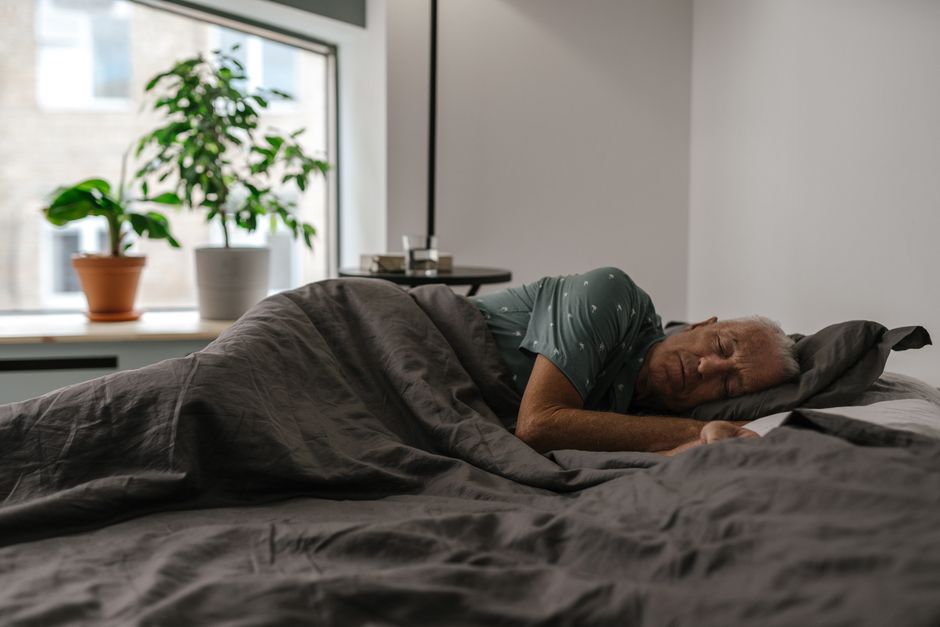
Waking up drenched in sweat is not just uncomfortable—it is disruptive, and it can make you dread going to bed. For many men, this is a recurring problem with a range of possible causes, from a warm bedroom to a medical condition that deserves attention. The first step to stopping night sweats is understanding why they happen. In most cases, the cause is benign and fixable, but in some situations, it is a signal that you need to see a doctor.
What Causes Night Sweats in Men?
Night sweats are episodes of severe sweating during sleep that soak your clothes and sheets. They are different from simply feeling warm because the sweating is heavy enough to wake you up or force you to change your bedding.
The underlying mechanism is your body’s thermoregulation system. Your brain constantly monitors your core temperature. When it rises, it sends signals to your sweat glands to produce sweat, which cools you down as it evaporates. During a night sweat, this system goes into overdrive, triggering excessive sweating even though your environment hasn’t necessarily changed.
Hormones play a significant role. In men, a natural decline in testosterone happens with age, but a sudden drop can trigger symptoms similar to female menopause, including hot flashes and night sweats. This is sometimes called “andropause,” though it is not a universal experience for all men.
Beyond hormones, several lifestyle factors are common culprits. Alcohol consumption, especially close to bedtime, dilates blood vessels and raises your heart rate, which can increase sweating. Spicy foods have a similar effect. Caffeine and nicotine are stimulants that can also raise your core temperature.
Is Your Bedroom or Bedding to Blame?
Before assuming a medical problem, look at your sleep environment. The ideal sleeping temperature for most adults is between 60 and 67 degrees Fahrenheit. If your room is warmer than that, your body has to work harder to cool down, and sweating is the natural result.
Your mattress and bedding matter more than you might think. Memory foam mattresses are known for trapping body heat. If you sleep hot, consider a mattress with cooling gel or a breathable innerspring design. Your sheets should be made of breathable natural fibers like cotton or linen. Synthetic fabrics like polyester trap heat and moisture against your skin.
Your blanket is another factor. A heavy down comforter in the middle of summer will cause sweating even if your room is cool. Consider layering your bedding so you can adjust your warmth during the night.
One non-obvious point: your body’s core temperature naturally drops in the hours before you wake up. If you are overdressed for bed or using too many layers, you are fighting against this natural process, which can trigger a sweat response.
When Should You See a Doctor About Night Sweats?
Not all night sweats are harmless. If you are sweating through your clothes and sheets on a regular basis, it is worth a conversation with your doctor. This is especially true if you have other symptoms like unexplained weight loss, persistent fatigue, fever, or swollen lymph nodes.
Several medical conditions can cause night sweats. Infections, including tuberculosis and some bacterial infections, are known triggers. Certain cancers, particularly lymphoma, can present with night sweats as an early symptom. This is not common, but it is serious enough that persistent night sweats should never be dismissed.
Medications are another possible cause. Some antidepressants, hormone therapy drugs, and medications used to lower fever can cause sweating as a side effect. If you started a new medication recently and noticed night sweats, mention it to your prescribing doctor.
Obstructive sleep apnea is a frequently overlooked cause. When you stop breathing briefly during sleep, your body releases stress hormones like adrenaline. These hormones can cause your heart rate to spike and your temperature to rise, leading to sweating. If you snore loudly or feel exhausted during the day, sleep apnea may be the underlying issue.
An overactive thyroid, or hyperthyroidism, can also cause excessive sweating. Your thyroid regulates your metabolism, and when it is overactive, your body generates excess heat. Other symptoms include rapid heart rate, anxiety, and unintentional weight loss.




How to Stop Night Sweats With Lifestyle Changes
If your night sweats are not caused by a medical condition, several practical changes can help. Start with your evening routine. Avoid alcohol for at least three hours before bed. Alcohol is a vasodilator, meaning it widens your blood vessels and increases blood flow to your skin, which raises your skin temperature and triggers sweating.
Watch what you eat in the evening. Spicy foods, caffeine, and heavy meals can raise your metabolic rate and core temperature. Eating a light dinner at least two hours before bed gives your body time to digest before you lie down.
Hydration matters, but timing matters too. Drinking a large amount of water right before bed can cause your body to work harder during the night. Stay hydrated throughout the day, but taper off in the hour before sleep.
Exercise is helpful for overall health and temperature regulation, but intense workouts late in the evening can leave your body overheated for hours. If you exercise in the evening, give yourself at least two hours to cool down before getting into bed.
Stress and anxiety are underestimated triggers. When you are stressed, your sympathetic nervous system is on high alert. This can raise your body temperature and make you more prone to sweating. A wind-down routine that includes reading, light stretching, or meditation can help lower your stress levels before bed.
Practical Bedroom Fixes That Work Immediately
Some changes produce results the very first night. Lower your thermostat to around 65 degrees Fahrenheit. Use a fan to circulate air in the room. Air movement helps evaporate sweat more quickly, which cools you faster.
Choose moisture-wicking sleepwear. These fabrics are designed to pull sweat away from your skin so it can evaporate. They are not a cure, but they can make a significant difference in how comfortable you feel.
Keep a cool cloth or a small spray bottle of water on your nightstand. If you wake up sweating, a quick cool-down can help you get back to sleep faster. This is a simple management strategy, not a solution to the underlying cause.
If you use a heated mattress pad or electric blanket, turn it off before you fall asleep. These devices are designed to keep you warm, but they can easily push your temperature too high during the night.
Why Men Sweat In Their Sleep And How To Stop It: The Bottom Line
Night sweats in men are common and often treatable with simple adjustments. Start by examining your sleep environment and evening habits. If you have tried these changes and still wake up soaked, or if you have other concerning symptoms, see your doctor. Persistent night sweats deserve a proper medical evaluation to rule out underlying conditions.
The evidence is clear that heavy sweating during sleep is not a normal part of aging that you have to accept. For most men, the cause is environmental or lifestyle-related, and the fix is straightforward. But when the cause is medical, early detection matters. Do not dismiss a pattern of night sweats as a minor annoyance. Pay attention to what your body is telling you.
Frequently Asked Questions
Are night sweats in men a sign of low testosterone?
Yes, a sudden drop in testosterone can cause night sweats in some men. However, not all men with low testosterone experience this symptom, so it is not a reliable indicator on its own.
Can drinking alcohol before bed cause night sweats?
Yes, alcohol dilates blood vessels and raises heart rate, which can increase body temperature and trigger sweating. Avoiding alcohol for at least three hours before bed can reduce this effect.
What temperature should my bedroom be to prevent night sweats?
Most adults sleep best in a room between 60 and 67 degrees Fahrenheit. Keeping your bedroom in this range reduces the need for your body to sweat to cool down.
When should I worry about night sweats?
See a doctor if you have night sweats regularly along with unexplained weight loss, persistent fever, or fatigue. These symptoms together can indicate an underlying medical condition that needs evaluation.
