
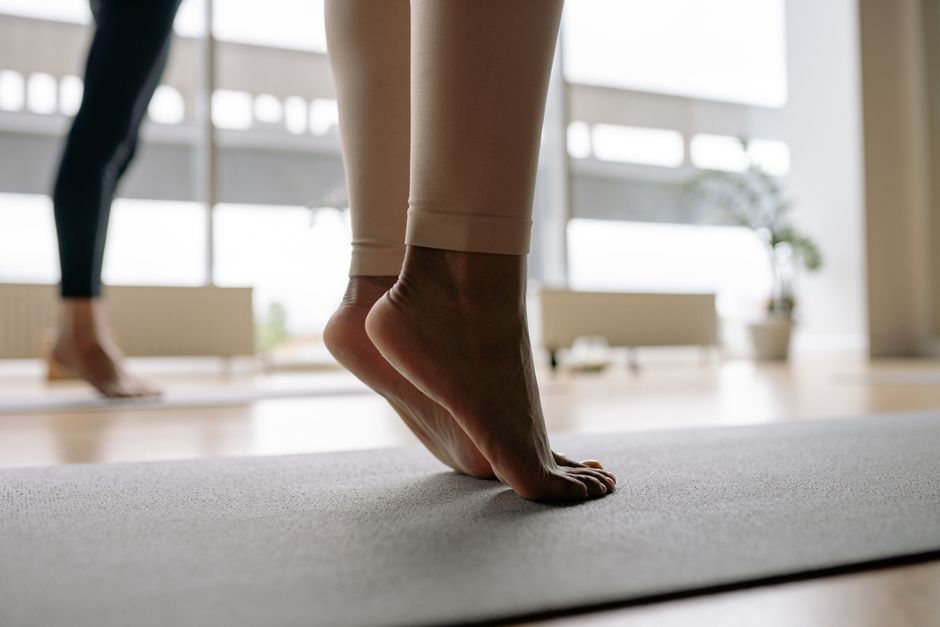
Toe cramps happen when a muscle in your foot contracts on its own and cannot relax. The muscle fibers stay locked in a shortened position, which is why the toe pulls into an odd angle and hurts. Most toe cramps are not a sign of disease. They usually come from a combination of muscle fatigue, dehydration, nerve signals firing too easily, or blood flow that is not keeping up with what the muscle needs.
That explanation covers the common cases. It does not cover all of them. Some toe cramps are the first visible clue to a medication side effect, a mineral imbalance, or a circulation problem. The sections below separate the ordinary causes from the ones worth a doctor’s attention.
Why Is Your Toes Cramping? The Basic Mechanism
A cramp is a muscle that has contracted and failed to release. Skeletal muscle contracts when nerve signals tell the fibers to shorten. It relaxes when those signals stop and the muscle cell resets its internal balance of calcium, sodium, and potassium. When that reset process is disrupted, the contraction holds.
The muscles that move your toes are small and sit close to the bones of the foot. They are not built for sustained force. When they are asked to work hard or work while dehydrated or fatigued, they are more likely to misfire. The result is a sudden, tight, painful pull that can last seconds to a few minutes.
Two things are worth separating here. A cramp is a contraction problem, not a joint problem. It is also different from neuropathy, which is nerve damage that causes burning, tingling, or numbness rather than a locked muscle. People often use “cramp” loosely to describe both. They are not the same thing and they do not have the same causes.
What Most Often Causes Toe Cramps
The most common triggers are ordinary and temporary. They cluster around times when your muscles are tired, your body is low on fluid, or your feet are held in one position for a long time.
- Muscle fatigue. Long walks, standing all day, or a new exercise routine can exhaust the small muscles of the foot.
- Dehydration. Fluid loss without replacement changes the concentration of electrolytes around muscle cells.
- Electrolyte shifts. Low magnesium or low potassium can make muscles more excitable. Low calcium can do the same.
- Holding a position. Sitting with your toes pointed, or sleeping with feet extended, can shorten the toe muscles for hours.
- Cold. Cold muscles contract more readily and relax more slowly.
- Poor footwear. Shoes that force the toes into a cramped position can trigger cramps during or after wear.
- Pregnancy. Cramps in the legs and feet are common in pregnancy, especially in the later months. The reasons are not fully settled.
Many of these overlap. A tired muscle in a dehydrated body, held in a fixed position, is far more likely to cramp than any single factor on its own.
When Toe Cramps Point to Something Else
Toe cramps that are frequent, that happen at rest, or that come with other symptoms deserve a closer look. Several conditions can cause cramping as one of their features.
Nerve compression
Pressure on a nerve in the lower back or the foot can cause cramping along with tingling, numbness, or a burning feeling. A pinched nerve in the spine can send symptoms down into the foot. If cramping comes with numbness or weakness, the nerve is a more likely source than the muscle itself.
Circulation problems
Peripheral artery disease narrows the arteries that supply the legs and feet. It typically causes cramping or pain in the calf or foot with walking that eases with rest. Toe cramping at rest, especially at night, can also be a feature. This is more common in people who smoke, have diabetes, or have high cholesterol.
Diabetes
Diabetes can affect both nerves and circulation in the feet. Cramping, tingling, or burning in the toes is a common early complaint. Anyone with diabetes and new or worsening foot symptoms should have their feet checked.
Thyroid and kidney issues
An underactive thyroid and chronic kidney disease can both disturb electrolyte balance and muscle function. Cramping is sometimes an early clue. These are diagnosed with blood tests, not by symptoms alone.
Medications
Some medications cause cramping as a side effect. Diuretics (water pills) are a well-known example because they change electrolyte levels. Statins can cause muscle symptoms in some people, though the evidence on how often this happens is mixed. If cramps started after a new medication, that timing is worth mentioning to your doctor.




Is It a Mineral Deficiency?
Low magnesium, low potassium, and low calcium can all make muscles more likely to cramp. That part is well established. What is less clear is how often a mild deficiency is the actual cause of ordinary toe cramps in otherwise healthy people.
The evidence here is mixed. Some studies suggest magnesium may help cramps in pregnancy. The results for older adults and for exercise-related cramps have been inconsistent. Potassium and calcium have less direct evidence for cramp prevention outside of clear deficiency.
This matters because supplements are widely marketed for cramps. No large trial has confirmed that routine magnesium or potassium supplementation prevents cramps in people who are not deficient. If you eat a varied diet and have no diagnosed deficiency, a supplement is unlikely to be the answer. If you have a diagnosed deficiency, or take a medication that depletes electrolytes, that is a different situation and worth discussing with your doctor.
Toe Cramps at Night Versus During the Day
Timing is a useful clue. Cramps that wake you at night often relate to position and to the natural drop in activity during sleep. Lying with the toes pointed down shortens the toe muscles for hours. That alone can trigger a cramp.
Cramps during the day tend to relate to use. They show up during or after exercise, after long periods of standing, or when you have been dehydrated. If daytime cramps come on reliably with walking and ease with rest, that pattern points toward circulation rather than simple fatigue, and it is worth getting checked.
Night cramps become more common with age. They are also more common in pregnancy. Neither pattern is dangerous on its own, but frequent night cramps that disrupt sleep are worth raising with a clinician.
What Actually Helps During a Cramp
The goal during a cramp is to stretch the muscle and get it to release. The most reliable approach is to gently stretch the affected toes and the calf.
- Straighten your leg and pull your toes up toward your shin.
- Massage the muscle while you stretch.
- Apply warmth to help the muscle relax.
- Stand and put weight on the foot if you can do so safely.
Stretching the calf matters even when the cramp is in the toes. The muscles that move the toes connect through the foot to the lower leg, and releasing the whole chain often ends the cramp faster than working on the toes alone. This is the one practical point most people miss.
For prevention, the honest position is that no single measure works for everyone. Staying hydrated, avoiding long periods in one position, and stretching the feet and calves regularly are reasonable and low-risk. Whether they prevent cramps in any given person is not well established.
When to See a Doctor
Most toe cramps are harmless and pass on their own. Some patterns warrant a medical visit.
- Cramps that are frequent, severe, or getting worse over time.
- Cramps that come with numbness, tingling, weakness, or swelling.
- Cramps that happen with walking and ease with rest.
- Cramps in one foot only, especially if that foot looks or feels different from the other.
- Cramps that started after a new medication.
- Cramps in someone with diabetes, kidney disease, or known circulation problems.
These signs do not mean something serious is present. They mean the ordinary explanations are less likely, and a proper evaluation can sort out whether a nerve, a blood vessel, a medication, or a lab value is involved.
What Does Not Cause Toe Cramps
A few popular claims do not hold up. Toe cramps are not caused by “toxins” building up in the foot. There is no established mechanism for that, and no test that measures it. They are also not reliably caused by wearing tight socks for a short time, or by a single missed glass of water.
The claim that a specific supplement cures cramps is also not supported. Some products are marketed as if the science is settled. It is not. The evidence for most over-the-counter cramp remedies is weak or absent.
Frequently Asked Questions
Why do my toes cramp at night?
Night cramps usually come from lying with the toes pointed down, which keeps the toe muscles shortened for hours. They become more common with age and during pregnancy.
Is toe cramping a sign of a vitamin deficiency?
Low magnesium, potassium, or calcium can make muscles more likely to cramp, but mild deficiency is not proven to be the cause of most ordinary toe cramps. Testing is the only way to know.
Can dehydration cause toe cramps?
Yes. Fluid loss changes the electrolyte balance around muscle cells, which can make them more excitable. This is one of the more common and easily corrected triggers.
When should I worry about toe cramps?
See a doctor if cramps are frequent or worsening, come with numbness or weakness, happen with walking and ease with rest, or started after a new medication.
