
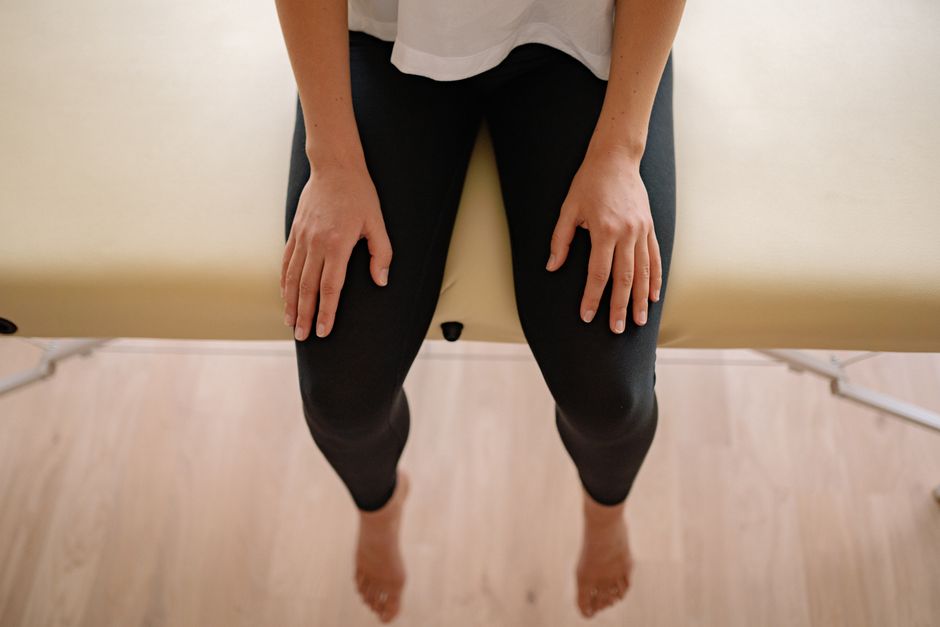
Soft stool is usually a sign that waste is moving through your colon faster than normal, or that your colon is absorbing less water than usual. Both changes leave more liquid in the stool, which makes it softer. It can also happen when your diet, medications, or gut bacteria shift the balance of how waste forms. Most of the time soft stool is not dangerous on its own, but the reason behind it matters.
Why Is Your Stool Soft?
Stool consistency is mostly a story about water. Your small intestine and colon pull water out of the waste as it travels through. The longer waste stays in the colon, the more water gets absorbed and the firmer the stool becomes. When transit speeds up, less water is absorbed and the result is soft or loose stool.
Several things can change that transit time or the colon’s ability to absorb water:
- Diet: High fiber, high sugar, or high fat meals can all shift stool consistency, though in different ways.
- Medications: Antibiotics, magnesium-containing antacids, and some diabetes drugs are common culprits.
- Gut infections: Viral, bacterial, or parasitic infections often cause temporary soft or watery stool.
- Food intolerances: Lactose, fructose, and sugar alcohols like sorbitol pull water into the gut.
- Stress and anxiety: The gut and brain are directly connected, and stress can speed up or slow down digestion.
- Underlying conditions: Irritable bowel syndrome, inflammatory bowel disease, and celiac disease can all alter stool form.
One detail people often miss: stool form is not the same thing as stool frequency. You can have soft stool once a day or three times a day. The pattern matters more than any single bowel movement.
What Does the Bristol Stool Scale Say About Soft Stool?
The Bristol Stool Scale is the standard tool clinicians use to describe stool form. It sorts stool into seven types, from hard pellets to entirely liquid. Soft stool usually falls into Type 5 or Type 6.
| Type | Description | What It Often Means |
|---|---|---|
| Type 1 | Separate hard lumps | Severe constipation |
| Type 2 | Sausage-shaped but lumpy | Mild constipation |
| Type 3 | Sausage with cracks on the surface | Normal |
| Type 4 | Smooth, soft sausage or snake | Normal |
| Type 5 | Soft blobs with clear edges | Tending toward loose |
| Type 6 | Fluffy pieces with ragged edges | Mild diarrhea |
| Type 7 | Entirely liquid, no solid pieces | Diarrhea |
Types 3 and 4 are considered ideal. Type 5 is soft but often still manageable. Type 6 is where stool becomes genuinely loose. If you are consistently at Type 5 or 6, it is worth looking at why.
What Foods and Drinks Cause Soft Stool?
Diet is one of the most common reasons for soft stool, and the reasons are not always obvious. Some foods speed up transit. Others pull water into the intestines. A few do both.
Things that commonly soften stool:
- Caffeine, which stimulates muscle contractions in the colon
- Alcohol, which can irritate the gut lining and speed transit
- Sugar alcohols (sorbitol, mannitol, xylitol) found in sugar-free gum and candy
- High-fructose corn syrup and large amounts of fruit juice
- Spicy foods, for some people
- Large amounts of prunes, figs, or other natural laxative foods
- Artificial sweeteners, especially in large amounts
Fiber is a special case. Soluble fiber, found in oats and beans, absorbs water and can actually firm up stool. Insoluble fiber, found in wheat bran and vegetable skins, adds bulk and can speed transit. If you recently increased fiber and your stool got softer, that is a common and usually temporary response.
Dairy is another common trigger. Lactose intolerance affects a large share of adults worldwide, and soft stool after milk or ice cream is one of its most common signs.


Can Medications Make Your Stool Soft?
Yes, and this is one of the most overlooked causes. Many prescription and over-the-counter drugs list loose stool or diarrhea as a side effect.
Common categories include:
- Antibiotics, which disrupt gut bacteria
- Magnesium-based antacids and laxatives
- Metformin and other diabetes medications
- SSRI antidepressants
- Proton pump inhibitors
- Some blood pressure medications
- NSAIDs like ibuprofen
If soft stool started shortly after a new medication, that timing is meaningful. Do not stop a prescribed medication on your own. Talk to your prescriber about whether the medication could be the cause and what alternatives exist.
When Is Soft Stool a Sign of Something More Serious?
Soft stool on its own is rarely an emergency. But certain patterns deserve medical attention.
See a doctor if you have:
- Soft or loose stool lasting more than two weeks
- Blood or mucus in the stool
- Unintended weight loss
- Fever or signs of dehydration
- Severe abdominal pain
- Stool that wakes you from sleep
- A sudden, lasting change in bowel habits after age 50
These signs can point to conditions like inflammatory bowel disease, celiac disease, or an infection that needs treatment. They can also show up with thyroid problems or certain cancers, though those are far less common causes. The point is not to alarm you. It is to say that persistent changes deserve a real evaluation rather than a wait-and-see approach.
How Do You Firm Up Soft Stool?
The right approach depends on the cause. There is no single fix that works for everyone, and some popular advice can make things worse.
Steps that often help:
- Reduce caffeine and alcohol for a week and see if anything changes
- Try a temporary low-FODMAP approach, ideally with a dietitian’s guidance
- Add soluble fiber slowly, such as oats or psyllium
- Check whether a new medication lines up with when symptoms started
- Stay hydrated, since dehydration can paradoxically worsen stool consistency
- Manage stress, which has a real effect on gut transit
What does not help: cutting out all fiber, skipping meals, or relying on over-the-counter anti-diarrheal drugs long-term without knowing the cause. Those approaches can mask a problem that needs a diagnosis.
If soft stool has been going on for weeks and simple changes have not helped, a doctor can run tests. Common ones include stool studies, blood work, and sometimes a colonoscopy. The goal is to rule out treatable conditions before assuming it is just diet.
Does Soft Stool Mean Your Gut Bacteria Are Off?
Sometimes, but not always. The gut microbiome does influence stool consistency, and disruptions in that bacterial community can lead to softer stool. Antibiotics are the clearest example, since they can wipe out large portions of the normal gut bacteria and let others overgrow.
Probiotics are often marketed for this. The evidence here is mixed. Some studies suggest certain strains may help with antibiotic-associated diarrhea, but results vary widely by strain, dose, and the person taking them. No single probiotic has been shown to reliably fix soft stool across the board. If you want to try one, it is reasonable, but do not expect it to be a guaranteed fix.
Is Soft Stool Ever Normal?
Yes. Stool consistency naturally varies from person to person and from day to day. What you eat, how much you sleep, how stressed you are, and where you are in your menstrual cycle can all shift things. A single soft stool is not a problem.
The pattern is what matters. If your stool is consistently Type 5 or 6, or if it has changed from your normal and stayed that way, that is worth paying attention to. If it is occasionally soft and otherwise normal, that is just part of how the gut works.
Frequently Asked Questions
Why is my stool soft but not diarrhea?
Soft stool sits between normal and diarrhea on the Bristol Stool Scale, usually Type 5 or 6. It often means waste is moving a bit faster than usual, so the colon has less time to absorb water.
What causes soft stool every morning?
Morning soft stool is often linked to diet, caffeine, or the natural surge of gut activity that happens after waking. If it is new and persistent, it is worth checking with a doctor.
Can stress cause soft stool?
Yes. The gut and brain are directly connected, and stress can speed up colon transit and change stool consistency. This is well documented in research on the gut-brain axis.
When should I worry about soft stool?
See a doctor if soft stool lasts more than two weeks or comes with blood, weight loss, fever, or severe pain. Those signs suggest something that needs evaluation.
