
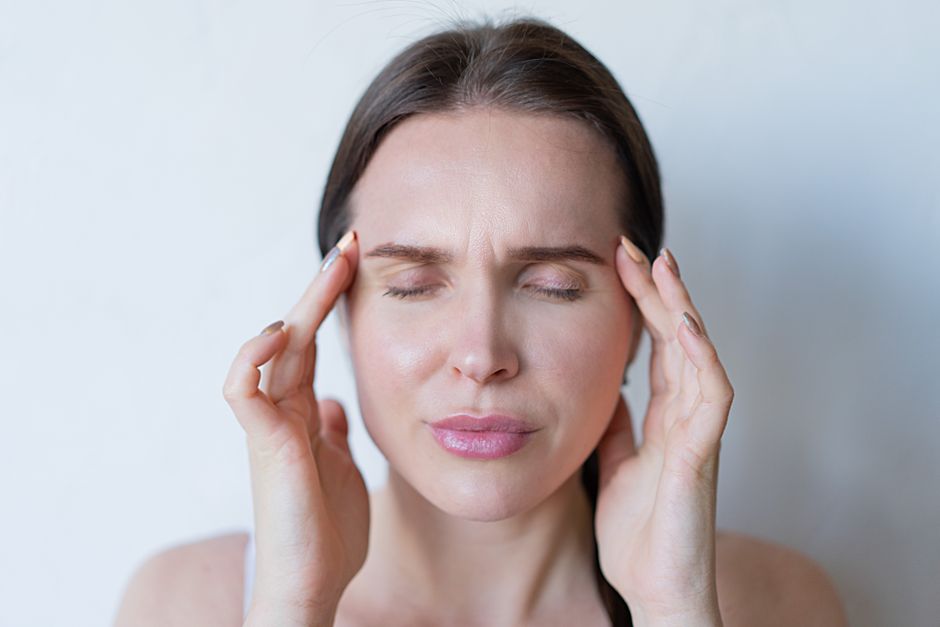
Pain is personal. What feels like a mild annoyance to one person can be completely overwhelming to someone else. If you have ever wondered why a small cut or a minor headache seems to hit you harder than it hits others, you are not imagining things. Sensitivity to pain varies widely from person to person, and it is shaped by your biology, your experiences, and even your attention. The reasons range from genetics and sleep quality to anxiety and past injuries. Relief is possible, but it starts with understanding what is actually driving your pain sensitivity.
What Determines Your Pain Sensitivity?
Pain is not just a signal from your body. It is an experience created by your brain. When tissue is damaged, nerves send signals up your spinal cord to your brain. But your brain does not just receive those signals. It filters them, interprets them, and decides how much attention they deserve.
This process is called pain modulation. Some people have a naturally low pain threshold, meaning they feel pain earlier and more intensely. Others have a high threshold and barely notice the same stimulus. Both are normal variations, but several factors push people toward the more sensitive end of the spectrum.
Your genetics play a role. Some people inherit variations in genes that affect how their body processes pain signals. Research has identified specific genes linked to pain sensitivity, though no single gene tells the whole story. It is a complex mix of many small genetic differences.
Why Am I So Sensitive To Pain Reasons And Relief: The Role of the Nervous System
Your nervous system can become sensitized over time. This is not about being weak or overly dramatic. It is a real physiological change. When your body experiences repeated or prolonged pain, your nervous system can become more reactive. Nerves fire more easily. The spinal cord amplifies signals. Your brain becomes more alert to potential threats.
This state is called central sensitization. It helps explain why chronic pain conditions like fibromyalgia are associated with heightened sensitivity across the whole body, not just at the original injury site. Even without a diagnosed condition, periods of intense stress or repeated pain can leave your nervous system on high alert.
Stress hormones also play a part. Cortisol and adrenaline, released during stressful periods, can amplify pain perception. When your body is in a state of constant vigilance, pain signals get more attention. This is why the same injury often hurts more during a stressful week than during a relaxed vacation.
How Sleep, Anxiety, and Mood Change Your Pain Experience
Sleep and pain have a two-way relationship. Poor sleep makes you more sensitive to pain. Pain makes it harder to sleep. Studies consistently show that sleep deprivation lowers pain tolerance and increases pain intensity ratings. Even one night of poor sleep can make a difference the next day.
Anxiety and depression also amplify pain. These conditions change how your brain processes sensory information. The same pain signal can feel worse when you are anxious because your brain is already primed to detect threats. Depression is linked to lower levels of neurotransmitters like serotonin and norepinephrine, which are involved in the body’s natural pain-relief systems.
Attention matters too. When you focus on pain, it feels worse. When you are distracted, you notice it less. This is not a trick or a sign that pain is imaginary. It reflects how the brain allocates resources. Pain competes with other sensory input for your attention, and it often wins when you are bored or focused on your body.





Medical Conditions That Increase Pain Sensitivity
Several diagnosed conditions are directly linked to heightened pain sensitivity. Fibromyalgia is the most well-known. It involves widespread pain and tenderness across the body, along with fatigue and sleep problems. People with fibromyalgia typically show lower pain thresholds in response to pressure and temperature.
Other conditions include irritable bowel syndrome, chronic fatigue syndrome, and temporomandibular joint disorders. These conditions often overlap. Many people with one also have another. This overlap points to a shared underlying issue with how the nervous system processes pain.
Autoimmune conditions like rheumatoid arthritis can also increase sensitivity. The inflammation itself causes pain, but the ongoing nature of the condition can sensitize the nervous system over time. If you have a diagnosed condition and notice that pain feels more intense than expected, that is consistent with how these diseases affect the body.
Certain medications can also change pain perception. Opioids, when used long-term, can paradoxically increase pain sensitivity. This is called opioid-induced hyperalgesia. Some antidepressants and anticonvulsants are used specifically to reduce pain sensitivity because they calm overactive nerve signaling.
Practical Relief Strategies That Work
Relief starts with addressing the modifiable factors. Sleep is the most powerful lever for most people. Prioritizing consistent, adequate sleep can measurably reduce pain sensitivity within days. If pain is interfering with sleep, that is a conversation worth having with a healthcare provider.
Regular physical activity also helps. Exercise triggers the release of endorphins, which are the body’s natural painkillers. It also improves sleep and reduces anxiety. The research is clear that people who exercise regularly report less pain sensitivity than sedentary people. Even walking for 20 minutes a day can make a difference.
Stress management techniques like mindfulness meditation have shown real effects on pain perception. Brain imaging studies show that mindfulness training changes how the brain responds to pain signals. Regular practice can reduce pain intensity ratings by helping the brain process pain differently.
Heat and cold therapy can provide temporary relief. Heat relaxes muscles and increases blood flow. Cold reduces inflammation and numbs the area. Neither changes your overall pain sensitivity, but both can help you manage individual painful episodes.
When to Seek Medical Help for Pain Sensitivity
You should see a healthcare provider if your pain sensitivity is new, worsening, or interfering with daily life. Sudden changes in pain perception deserve attention. So does pain that wakes you at night or pain accompanied by other symptoms like unexplained weight loss, fever, or fatigue.
A doctor can evaluate for underlying conditions and may refer you to a pain specialist. Pain medicine is a recognized medical specialty. Specialists can offer treatments that go beyond what general practitioners typically provide, including nerve blocks, physical therapy programs, and medication management.
It is also worth asking about cognitive behavioral therapy. CBT is one of the best-supported treatments for chronic pain. It does not reduce pain directly. Instead, it changes how you respond to pain, reducing the distress and disability that often accompany it. Many people find that CBT lowers their pain intensity ratings over time.
If you have been told your pain is “all in your head,” that advice is outdated and incorrect. Pain is always processed by the brain. That does not make it less real. It means your brain is involved in every pain experience, and that is true for everyone, not just you.
What Does Not Work for Pain Sensitivity
Some popular claims about pain relief lack solid evidence. Supplements marketed for pain sensitivity are largely unsupported. No supplement has been proven in large clinical trials to reduce overall pain sensitivity. Some may help with specific conditions, but marketing claims often outpace the research.
Avoiding all physical activity because it hurts is usually counterproductive. Inactivity leads to muscle weakness and stiffness, which can increase pain over time. Gentle movement, paced appropriately, tends to help more than complete rest.
Alcohol is not an effective pain management tool. It may numb sensations temporarily, but it disrupts sleep and can increase pain sensitivity the next day. Regular alcohol use makes pain management harder, not easier.
Frequently Asked Questions
Why am I suddenly more sensitive to pain than usual?
Sudden increases in pain sensitivity are often linked to poor sleep, high stress, or a recent illness. If the change persists for more than a few weeks, a medical evaluation is warranted.
Can anxiety make you physically more sensitive to pain?
Yes. Anxiety puts your nervous system on alert, which amplifies how intensely your brain processes pain signals. Treating anxiety often reduces pain sensitivity as a result.
Is pain sensitivity genetic?
Genetics play a meaningful role in how sensitive you are to pain. However, lifestyle factors like sleep, stress, and activity level also have substantial influence on your pain experience.
What is the fastest way to reduce pain sensitivity?
Improving sleep quality is the fastest and most reliable approach for most people. Even a few nights of better sleep can noticeably lower pain sensitivity.
