
An itchy scalp is one of those nagging problems that can take over your day. You scratch, it feels better for a moment, and then the itch returns. If this happens daily, it is not just a bad habit — it is a symptom with a specific cause. The most common reasons include seborrheic dermatitis (dandruff), dry skin, contact irritation from hair products, and sometimes an infection like ringworm. Identifying which one you have is the first step to actually stopping the itch instead of just managing it.
What Is Actually Happening When Your Scalp Itches?
Itching is a signal from your skin’s nerve endings. When something irritates those nerves — whether it is inflammation, a chemical, or dryness — your brain registers it as an itch. Scratching temporarily overrides that signal with a pain sensation, which is why it feels good in the moment. But scratching also damages the skin barrier, which can make the problem worse and invite more irritation or infection.
On the scalp specifically, the skin is thicker than on most of your body, and it has a high density of hair follicles and oil glands. That combination means the scalp has its own set of conditions that do not always behave like skin elsewhere. Understanding the underlying trigger is what separates a temporary itch from a chronic one.
Is It Dandruff or Something More?
Dandruff is the most common cause of an itchy scalp. The medical name is seborrheic dermatitis. It happens when the oil glands produce excess sebum, and a yeast called Malassezia that naturally lives on the skin overgrows in that oil. The yeast breaks down the sebum, and the byproducts irritate the skin. The result is flaking, redness, and itch.
Seborrheic dermatitis is not an infection you catch. It is a chronic inflammatory response that can flare up and calm down. It tends to be worse in winter, during times of stress, or when you go too long between washes. The flakes are usually white or yellowish and may appear greasy. If you have flaking along with redness and itch, seborrheic dermatitis is the most likely culprit.
Psoriasis is a different condition that can look similar. Scalp psoriasis produces thicker, silvery scales and more defined patches of redness. It is an autoimmune condition, not a yeast problem. If your flakes are thick and silvery, or if you have psoriasis patches elsewhere on your body, that changes the treatment approach. A dermatologist can tell the difference by looking at the scale pattern and the borders of the affected areas.
Why Does Your Scalp Itch When It Is Dry?
Dry skin on the scalp is less common than seborrheic dermatitis, but it happens. The scalp has oil glands, but certain habits strip those oils away. Washing with very hot water, using harsh sulfate-based shampoos, or shampooing multiple times a day can leave the scalp tight, flaky, and itchy.
Dry scalp flakes are small, white, and powdery. They do not look greasy, and there is usually no redness. The itch tends to feel more like a tight, surface-level irritation rather than a deep inflammatory itch. The fix is straightforward: use a gentler shampoo, wash with lukewarm water, and consider a lightweight moisturizing scalp treatment. If the itch disappears with those changes, dryness was the cause.
One important distinction: dry scalp and dandruff are often confused because both produce flakes. Dry scalp flakes are small and dry. Dandruff flakes are larger, oilier, and often yellowish. Treating dry scalp with an anti-dandruff shampoo can make dryness worse because those shampoos are designed to reduce oil. Treating dandruff with a basic moisturizing shampoo does nothing for the yeast overgrowth. Getting the distinction right matters.





Could Your Hair Products Be Causing the Itch?
Contact dermatitis is an allergic or irritant reaction to something touching your skin. On the scalp, the usual suspects are hair dyes, shampoos, conditioners, styling gels, and leave-in treatments. Fragrances and preservatives are common triggers. So is paraphenylenediamine, a chemical found in most permanent hair dyes.
Irritant contact dermatitis happens when a product strips or damages the skin barrier directly. Allergic contact dermatitis is a true immune reaction — your body recognizes a chemical as a threat and mounts an inflammatory response. Both cause itching, redness, and sometimes small bumps or oozing.
If your itch started shortly after using a new product, that is a strong clue. The fix is to stop using the product and see if the itch resolves. Patch testing by a dermatologist can identify the exact chemical you are allergic to if the reaction is severe or if you cannot figure out the trigger on your own.
When an Itchy Scalp Means an Infection
Sometimes an itchy scalp is caused by a fungal or bacterial infection. Tinea capitis, commonly called ringworm of the scalp, is a fungal infection that causes itchy, scaly patches with hair loss. It is most common in children but can affect adults. The affected areas may look like bald spots with small black dots where hairs broke off at the surface. This requires prescription antifungal medication taken by mouth — topical creams do not penetrate the hair follicle deeply enough to cure it.
Bacterial infections are less common but can occur if you scratch hard enough to break the skin. Scratching introduces bacteria from your nails into the damaged skin, which can lead to folliculitis — an infection of the hair follicles. Folliculitis looks like small, itchy or tender red bumps around hair follicles. Mild cases may clear on their own, but spreading redness, pain, or pus means you need medical attention.
Head lice are another possibility, though less common in adults than in children. Lice cause intense itching, especially behind the ears and at the nape of the neck. You may see tiny eggs (nits) attached to the hair shafts near the scalp. Lice do not jump or fly — they spread through direct head-to-head contact.
How to Stop the Itch at Home
For seborrheic dermatitis and dandruff, over-the-counter shampoos are the first-line treatment. Look for active ingredients like zinc pyrithione, selenium sulfide, ketoconazole, or salicylic acid. These work by reducing the yeast population or slowing skin cell turnover. Use them as directed on the label — usually two to three times per week — and leave them on the scalp for a few minutes before rinsing so the active ingredient has time to work.
If one ingredient does not help after a few weeks, try a different one. Many people rotate between two different active ingredients because the yeast can adapt. If over-the-counter options fail after a month of consistent use, see a dermatologist. Prescription-strength ketoconazole shampoo or a topical steroid can break the cycle of inflammation and itching.
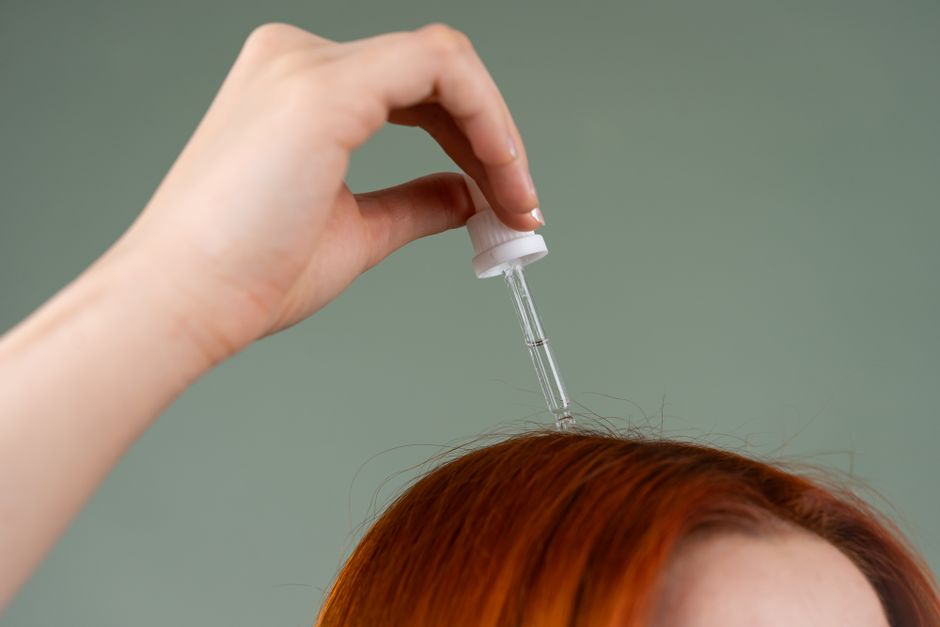
For dry scalp, switch to a gentle, fragrance-free shampoo and reduce washing frequency. A few drops of a lightweight scalp oil massaged into the scalp can help restore the skin barrier. For contact dermatitis, stop using the offending product. The itch should fade within days once the irritant is removed.
No matter the cause, resist the urge to scratch. Scratching damages the skin barrier, increases inflammation, and can introduce bacteria. If the itch is unbearable, a cool compress or an over-the-counter hydrocortisone cream applied sparingly to the scalp can provide temporary relief — but do not use hydrocortisone on the scalp long-term without medical supervision, as it can thin the skin.
When to See a Doctor
Most itchy scalps respond to basic home care. But certain signs warrant a medical evaluation. See a doctor if you notice hair loss, bleeding, oozing, or crusting. If the itch spreads to your face, neck, or body, or if you develop a fever, that changes the picture. Also seek help if the itch keeps you awake at night or if over-the-counter treatments have not helped after a month.
In rare cases, an itchy scalp can be a sign of a systemic condition. Thyroid disease, iron deficiency, and certain autoimmune conditions can cause skin dryness and itching all over the body, including the scalp. If your scalp itch is part of a broader pattern of dry, itchy skin, and you also feel fatigued or have other unexplained symptoms, it is worth discussing with your doctor.
Frequently Asked Questions
Can washing your hair too often cause an itchy scalp?
Yes, washing too frequently with harsh shampoos can strip natural oils and cause dry, itchy skin. If your flakes are small and powdery rather than greasy, try reducing washing frequency and using a gentler shampoo.
Is an itchy scalp a sign of hair loss?
Itching alone does not cause hair loss, but scratching can damage hair follicles and lead to breakage. Conditions like ringworm and psoriasis cause both itching and hair loss, so persistent itching with shedding should be evaluated by a doctor.
Does stress make your scalp itch more?
Stress does not directly cause itching, but it can worsen seborrheic dermatitis and psoriasis flare-ups. If your scalp itches more during stressful periods, managing the underlying skin condition is more effective than treating the stress alone.
Can an itchy scalp be caused by something you eat?
Food allergies can cause hives and itching anywhere on the body, including the scalp, but this is not a common cause of isolated scalp itching. If the itch appears shortly after eating a specific food and comes with other allergy symptoms like swelling or rash, see a doctor.
