
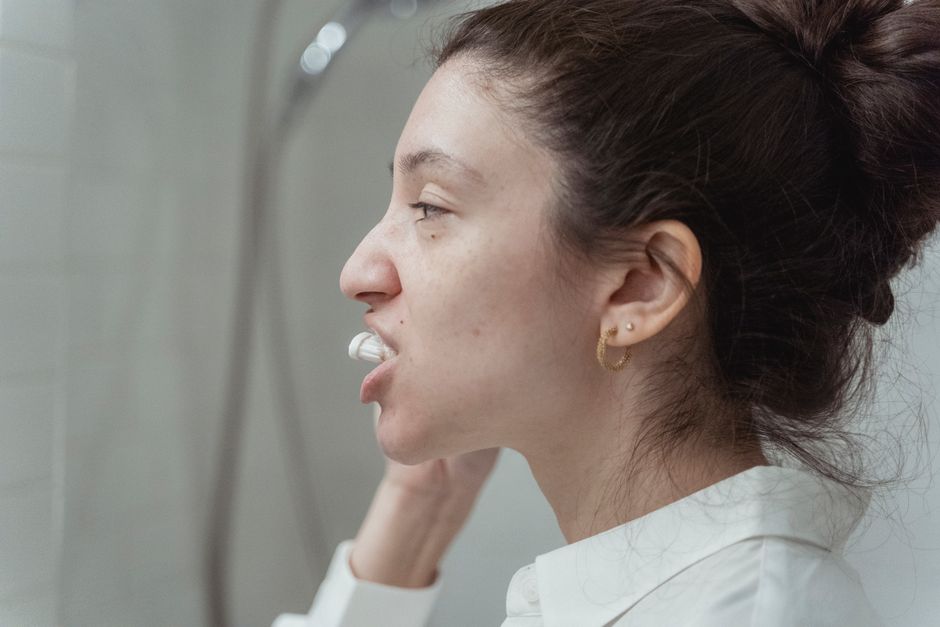
Seeing blood on your toothbrush after brushing is alarming, but when the blood is coming from your tongue, it raises a specific set of questions. In most cases, bleeding from the tongue during brushing is caused by mechanical irritation—your toothbrush is simply too rough on the delicate tissue of your tongue. However, persistent or heavy bleeding can signal an underlying condition that needs attention.
Why Is My Tongue Bleeding When Brushing?
The tongue is made of dense muscle covered by a mucous membrane. This membrane is thin and packed with tiny blood vessels called capillaries. When you brush your tongue with too much pressure, a stiff-bristled brush, or a brush with worn-out jagged edges, you can easily tear this surface. The result is minor bleeding that usually stops within a minute or two.
Another common cause is brushing your tongue when it is already irritated. Conditions like canker sores, a burned tongue from hot food, or an accidental bite can leave raw areas that bleed easily. If you brush over these spots, the friction will cause bleeding even with normal pressure.
In most cases, the bleeding is superficial and harmless. But if it happens regularly, happens without brushing, or is difficult to stop, you need to investigate further.
What Causes the Tongue to Bleed Easily?
Several factors can make your tongue more prone to bleeding. Understanding these helps you identify whether your situation is routine or requires medical evaluation.
Trauma and friction are the leading causes. This includes brushing too hard, using a toothbrush with hard bristles, or aggressively scraping your tongue with a plastic tongue scraper. The tongue’s surface heals quickly, but repeated daily trauma prevents it from recovering.
Nutritional deficiencies can also play a role. A lack of vitamin B12, folate, or iron can cause the tongue to become inflamed, smooth, and sore—a condition called glossitis. An inflamed tongue bleeds more easily because its surface is thinner and more fragile than normal.
Oral infections such as oral thrush—a fungal infection caused by Candida yeast—can create white patches that bleed when scraped or brushed. Geographic tongue, a benign inflammatory condition, creates smooth red patches that can sometimes be sensitive to brushing.
Certain medications, particularly blood thinners like warfarin or aspirin therapy, increase bleeding tendency throughout the body, including the tongue. If you take these medications, even minor trauma can produce noticeable bleeding.
When Is Tongue Bleeding a Sign of Something Serious?
Most tongue bleeding is minor and self-limiting. But some situations warrant prompt medical attention.
See a doctor or dentist if you experience any of the following:
- Bleeding that does not stop after 10 to 15 minutes of gentle pressure
- Bleeding that occurs without any obvious cause or trauma
- A lump, growth, or lesion on your tongue that bleeds easily
- Numbness, pain, or difficulty moving your tongue
- Bleeding accompanied by unexplained weight loss or fatigue
Oral cancer is rare, but it can present as a non-healing sore or a bleeding lesion on the tongue. The key warning sign is persistence. A benign sore from brushing should heal within a week or two. Any sore, patch, or bleeding spot that does not heal within two weeks should be evaluated by a professional.
Bleeding disorders such as thrombocytopenia or hemophilia can also cause spontaneous bleeding from mucous membranes. If you bruise easily, have frequent nosebleeds, or notice bleeding from your gums alongside your tongue, these could be signs of a systemic issue.





How Should You Clean Your Tongue Safely?
Proper tongue cleaning reduces bacteria and improves breath, but technique matters. The goal is to remove debris without damaging the tissue.
Use gentle pressure. Your tongue does not need vigorous scrubbing to be clean. Light to moderate pressure is sufficient to remove the whitish film that accumulates overnight.
Choose the right tool. A soft-bristled toothbrush is adequate for most people. If you prefer a tongue scraper, select one made of flexible plastic or stainless steel with rounded edges. Avoid scrapers with sharp or jagged edges.
Brush in a pattern. Start at the back of your tongue and move forward. This sweeps debris toward the front where you can rinse it away. Do not scrub back and forth aggressively—this increases friction and trauma.
Rinse thoroughly after cleaning. This removes the loosened bacteria and debris from your mouth. If you notice blood, rinse with cool water and apply gentle pressure with a clean cloth if bleeding continues.
Replace your toothbrush regularly. Worn bristles become frayed and can develop sharp edges that scratch the tongue. The American Dental Association recommends replacing your toothbrush every three to four months, or sooner if the bristles are visibly frayed.
Home Care and When to See a Professional
For minor bleeding caused by brushing, home care is straightforward. Rinse your mouth with cool water. Apply gentle pressure with a clean gauze pad or cloth if the bleeding continues. Avoid hot foods and drinks for a few hours. Stick to soft foods that won’t irritate the area.
If your tongue is consistently sore and bleeding despite gentle brushing, evaluate your oral care products. Switch to a soft-bristled brush. Consider whether you are brushing your tongue too frequently—once daily is sufficient for most people.
If the problem persists beyond two weeks, see a dentist or healthcare provider. They can examine your tongue, check for signs of infection or deficiency, and recommend appropriate treatment. If a nutritional deficiency is suspected, they may order blood tests to check your vitamin and mineral levels.
Do not self-diagnose persistent tongue problems. What looks like a simple sore could be something requiring treatment. A professional examination is the only reliable way to know.
Can Your Toothpaste Cause Tongue Bleeding?
Toothpaste itself rarely causes bleeding, but it can contribute to irritation in some people. Certain ingredients, particularly sodium lauryl sulfate (SLS), a foaming agent found in most toothpastes, can irritate sensitive oral tissues. For people with recurrent canker sores or sensitive mouths, SLS-free toothpaste may reduce irritation.
Allergic reactions to toothpaste ingredients are uncommon but possible. Flavorings, preservatives, or other additives can cause contact dermatitis or stomatitis—inflammation of the mouth lining. If you suspect your toothpaste is causing problems, try switching to a simple, unflavored, SLS-free formula for a few weeks and see if symptoms improve.
This is not a common cause of tongue bleeding, but it is worth considering if you have ruled out mechanical causes and have no other symptoms.
What Does the Color and Pattern of Bleeding Tell You?
The characteristics of your bleeding can offer clues about its cause.
Bright red blood that appears immediately during brushing suggests superficial trauma to the surface capillaries. This is the most common and least concerning type.
Dark or oozing blood may indicate bleeding from deeper tissue. This is less common and more likely to require attention.
Bleeding from a specific spot that recurs in the same location every time you brush could indicate a persistent lesion, such as a papilloma or other growth. This warrants professional evaluation.
Diffuse bleeding across the entire tongue surface often indicates generalized inflammation or a systemic issue like a deficiency or medication side effect.
Pay attention to whether the bleeding is new or has been happening for weeks. New bleeding from a specific spot is different from a chronic pattern. Your dentist can help you interpret what you are seeing.
Frequently Asked Questions
Is it normal for my tongue to bleed when I brush it?
Minor bleeding from brushing too hard is common and usually harmless. If it happens regularly or without force, it is not normal and should be evaluated.
How long should tongue bleeding last after brushing?
Bleeding from minor trauma should stop within a few minutes. If it continues beyond 10 to 15 minutes with pressure, seek medical attention.
Can a vitamin deficiency cause my tongue to bleed?
Deficiencies in iron, vitamin B12, or folate can cause glossitis—an inflamed tongue that bleeds more easily. A blood test can confirm whether a deficiency is present.
Should I stop brushing my tongue if it bleeds?
No, but you should adjust your technique. Use a soft-bristled brush with gentle pressure, and if bleeding persists for two weeks, see a dentist.
