
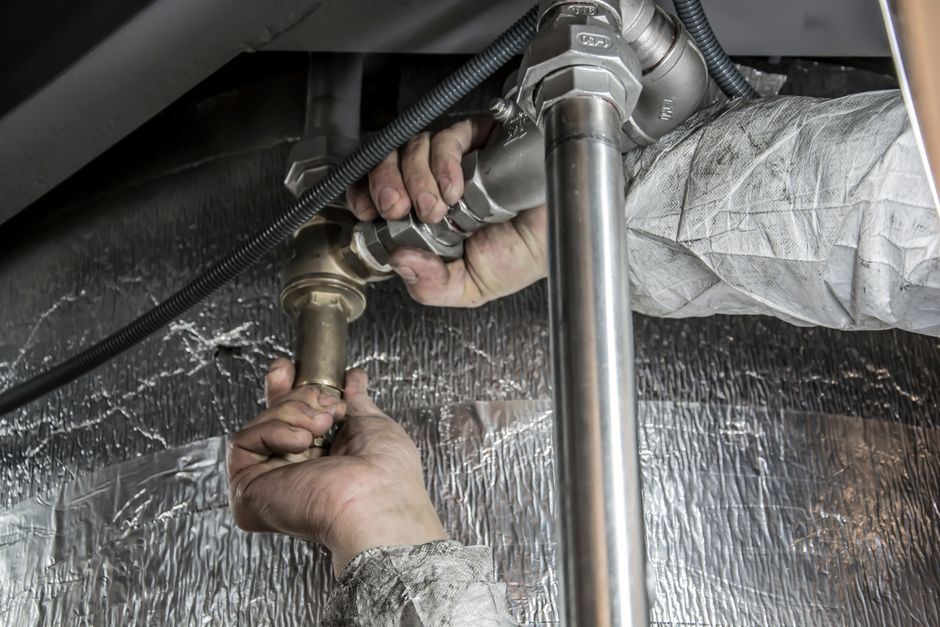
Lead pipes carried drinking water in American cities for over a century. Ancient Rome used lead for plumbing, and the very word “plumbing” comes from the Latin word for lead, plumbum. The choice was not a mistake made in ignorance. It was a deliberate engineering decision based on the materials available at the time. Lead was cheap, durable, and easy to shape into pipes. The health risks were poorly understood, and the consequences of that decision are still being felt in cities across the United States today.
Why Were Lead Pipes Used In Water Systems? Root Causes
Lead was the best available material for water pipes for most of modern history. Iron was prone to rusting and clogging. Copper was expensive and harder to work with before modern manufacturing. Wood pipes rotted and leaked. Lead, by comparison, was soft enough to bend and join easily, yet strong enough to withstand the pressure of municipal water systems. It also had a long service life underground.
The physical properties of lead made it ideal for plumbing. Workers could hammer it into sheets and then shape those sheets around a mandrel to form a pipe. Joints could be sealed by melting lead and pouring it into the gap — a technique still called “wiping a joint” in plumbing trades. No other material offered this combination of workability, durability, and cost at scale.
When Did Cities Start Using Lead Water Pipes?
Large-scale use of lead pipes began in the 1800s as cities built centralized water systems. London, Boston, New York, and Philadelphia all laid lead service lines to connect homes to new municipal water mains. By the early 1900s, lead was the standard choice for the pipe running from the street main to the house — the portion now called the service line.
The peak of lead pipe installation happened between 1900 and 1950. Millions of homes built during this period received lead service lines. The federal government even encouraged their use. In the 1920s, the U.S. Public Health Service published standards that approved lead pipe for drinking water connections. This official endorsement came decades after some European countries had already begun questioning lead’s safety.
What Did People Know About Lead Poisoning?
People have known lead is toxic for thousands of years. Ancient Greek and Roman physicians described lead poisoning symptoms in workers who mined and smelted the metal. Some historians believe lead poisoning contributed to health problems in the Roman elite, who used lead cookware and sweetened wine with lead acetate.
What people did not understand for a long time was that low levels of lead in drinking water could cause harm. The dramatic, visible symptoms of acute lead poisoning — severe abdominal pain, paralysis, seizures — were well documented by the 1800s. But the subtle effects of chronic low-level exposure were not recognized until much later.
This gap in understanding had serious consequences. A worker who became ill from years of smelting lead showed obvious symptoms. But a child who drank water with small amounts of lead every day showed no immediate signs. The damage to the developing brain was invisible at the time. It would take decades of research to connect low-level lead exposure to reduced IQ, behavioral problems, and other developmental issues.





Why Did Lead Pipe Use Continue For So Long?
Several factors kept lead pipes in use well after concerns emerged. First, there was no better alternative available at scale. Cast iron was used for large water mains, but it was too heavy and difficult to work with for the smaller service lines that connected individual homes. Copper pipes existed but were significantly more expensive until after World War II.
Second, the water industry believed lead pipes were safe when the water chemistry was right. Lead does not dissolve easily in water that is hard or slightly alkaline. It dissolves much more readily in soft, acidic water. Water utilities in some cities tested their water and concluded their specific conditions made lead pipes acceptable. This reasoning was technically correct but dangerously incomplete.
Third, the cost of replacing lead pipes was always high. Cities and homeowners had already invested in lead infrastructure. Replacing it meant digging up streets and yards. Without clear evidence of harm, there was little political will to spend that money. This economic inertia kept lead pipes in the ground for generations after the first warning signs appeared.
When Did The Health Risks Become Clearly Established?
Research published in the 1940s and 1950s began to link lead exposure in children to developmental problems. But the turning point came later. In the 1970s, researchers demonstrated that children with no obvious symptoms of lead poisoning still showed measurable learning and behavioral deficits. Their blood lead levels were far below what had previously been considered dangerous.
The U.S. government took action in 1986 when Congress amended the Safe Drinking Water Act. The amendment banned the use of lead pipes and lead solder in new drinking water systems. This ban applied to new construction only. The millions of lead service lines already installed remained in place, legally grandfathered in.
The Environmental Protection Agency had already established a Lead and Copper Rule in 1991. This regulation required water systems to monitor lead levels and take action if they exceeded 15 parts per billion in more than 10 percent of sampled homes. The rule reduced lead exposure but did not require removal of lead pipes. It relied on water treatment adjustments to prevent lead from leaching into the water.
Why Do Lead Pipes Still Exist Today?
An estimated 6 to 10 million lead service lines still carry water to American homes. These pipes are concentrated in older cities in the Northeast and Midwest. Replacing them is expensive — typically thousands of dollars per home — and the cost is often split between the city and the property owner.
The water crisis in Flint, Michigan brought national attention to this issue in 2014. Flint switched its water source to the Flint River, which was more corrosive than the treated water from Lake Huron. The corrosive water stripped lead from the city’s aging pipes, contaminating the drinking water of thousands of residents. The crisis demonstrated that lead pipes could be safe under one set of water conditions and dangerous under another.
Since Flint, many cities have accelerated their lead pipe replacement programs. Some have used federal infrastructure funding to remove lead service lines at no cost to homeowners. But full replacement of all lead pipes in the United States will take years. The pipes are still there, buried beneath streets and front yards, waiting to be dug up.
How Does Lead Get From The Pipe Into The Water?
Lead pipes do not release lead into water continuously. The metal forms a protective scale on its inner surface when exposed to certain water chemistries. This scale acts as a barrier between the lead pipe and the water flowing through it. As long as this barrier remains intact, lead levels in the water stay low.
Problems occur when the water chemistry changes. Corrosive water — water that is acidic, soft, or low in minerals — dissolves the protective scale. Once the scale is compromised, lead leaches directly into the water. Changes in water source, treatment chemicals, or disinfectants can all trigger this process.
Standing water increases exposure. Water that sits in a lead pipe overnight has more time to dissolve lead than water that flows through continuously. This is why public health guidance recommends running the tap for a minute or two before using water for drinking or cooking, especially after the water has been sitting in the pipes for several hours.
How Can You Tell If Your Home Has Lead Pipes?
If your home was built before 1986, it may have a lead service line. The only way to know for certain is to inspect the pipe where it enters your home. Find the pipe that connects to your water meter or shut-off valve. Look at the color and texture of the pipe.
Lead pipes are dull gray and soft. A magnet will not stick to them, and a key or coin will leave a mark on the surface. Copper pipes are the color of a penny. Galvanized steel pipes are gray but magnetic and harder than lead. If you scratch the surface of a lead pipe, the exposed metal is shiny and silver.
Water testing is another option. Your local water utility can provide information about lead levels in your area. Some utilities offer free testing kits to homeowners. If your water tests above 15 parts per billion, the EPA requires your water system to take action, but individual results above this level should prompt you to use filtered water or bottled water for drinking until the source of lead is identified.
Frequently Asked Questions
Are lead pipes still legal in the United States?
No new lead pipes have been legal in drinking water systems since 1986. Existing lead pipes were allowed to remain in service, and many are still in use today.
How do I know if my drinking water has lead in it?
You must test your water to know for certain. Contact your local water utility for testing information, or hire a certified laboratory to test a water sample from your tap.
Is it safe to drink water from lead pipes?
No level of lead in drinking water is considered safe, especially for children and pregnant women. If you have lead pipes, use a certified lead-removing filter or bottled water for drinking and cooking.
Who pays to replace lead water pipes?
Costs are often split between the homeowner and the city, but programs vary by location. Federal infrastructure funding has helped some cities cover the full cost of replacement.
