
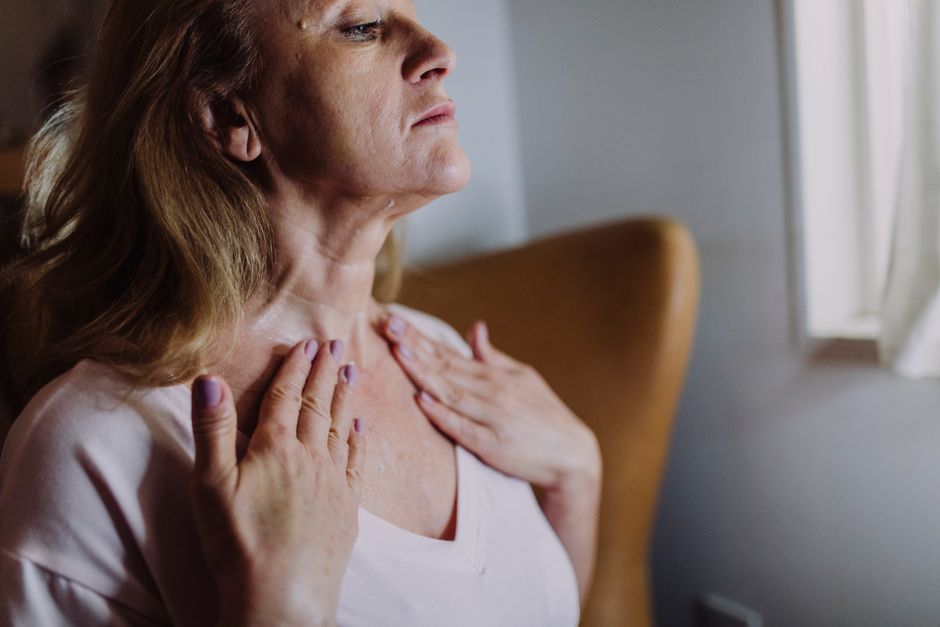
Yes, skin gets drier with age, and it happens to nearly everyone. As we get older, our skin produces less oil, loses moisture more quickly, and repairs itself more slowly. The outer layer thins, and the natural fats that hold water in the skin decrease. This combination makes skin feel tight, look flaky, and develop fine lines. The good news is that understanding why it happens points directly to what actually helps.
Why Does Skin Get Drier With Age?
The skin has a protective outer barrier called the stratum corneum. Think of it as a brick wall. The skin cells are the bricks, and the lipids—natural fats and ceramides—are the mortar. This barrier keeps water inside the skin and keeps irritants out.
With age, the body produces fewer of these lipids. The mortar gets thinner and develops gaps. Water escapes more easily through those gaps. This process is called transepidermal water loss, and it accelerates as we get older.
At the same time, the sebaceous glands produce less sebum, the natural oil that lubricates the skin. Oil production peaks in the late teens and early twenties, then gradually declines. By the time a person reaches their sixties, oil production can drop significantly.
Cell turnover also slows. In a young adult, skin cells turn over roughly every 28 days. In an older adult, that cycle can stretch to 40 to 60 days. Dead cells accumulate on the surface, making the skin look dull and feel rough, even when it is not technically dry underneath.
What Are The Root Causes Of Age-Related Dry Skin?
Several biological changes happen at once. It is not just one cause, but a combination of factors that stack over time.
Declining lipid production. The skin makes fewer ceramides and other fats as we age. These fats are essential for holding moisture in. Without enough of them, the barrier leaks water.
Reduced natural moisturizing factors. The skin also produces substances called natural moisturizing factors, or NMFs. These include amino acids, urea, and lactic acid. They attract water into the outer skin layer. Production of NMFs declines with age, leaving the skin less able to pull in moisture.
Thinner skin. The dermis, the middle layer of skin, loses collagen and elastin over time. The skin becomes thinner overall. A thinner barrier means less protection and more water loss.
Slower repair. Older skin repairs damage more slowly. Every minor irritation, sun exposure, or harsh cleanser takes longer to recover from. Over time, this accumulated damage weakens the barrier further.
Hormonal changes. Estrogen plays a role in skin moisture and oil production. When estrogen levels drop during menopause, many women notice their skin becomes noticeably drier. Men experience a slower decline in testosterone, which also affects skin thickness and oil production.
Sun damage. Years of UV exposure damage the skin’s structure. This is not the same as natural aging, but it accelerates it. Sun-damaged skin is often drier, thinner, and more fragile than protected skin of the same age.
Does Skin Get Drier With Age Causes And Fixes: What Actually Works?
The fix is not about finding one miracle product. It is about restoring what the skin has lost and protecting what remains. The most effective approach combines the right skincare products with daily habits that limit further damage.
Use a gentle cleanser. Harsh soaps strip the skin of its remaining oils. Look for cleansers labeled “hydrating,” “cream,” or “gentle.” Avoid products with sulfates, which are strong detergents. Wash with lukewarm water, not hot water. Hot water removes oils faster than warm water.
Moisturize immediately after washing. The best time to apply moisturizer is within a few minutes of bathing, while the skin is still slightly damp. This traps water in the skin before it can evaporate. Pat the skin dry with a towel rather than rubbing it.
Choose the right moisturizer ingredients. Not all moisturizers work the same way. The most effective ones contain three types of ingredients:
- Humectants draw water into the skin. Look for glycerin, hyaluronic acid, or urea.
- Emollients smooth the skin by filling gaps between skin cells. Look for squalane, shea butter, or plant oils.
- Occlusives form a physical layer that prevents water loss. Look for petrolatum, mineral oil, or dimethicone.
A moisturizer that contains all three types will work better than one that contains only one. Petrolatum, often sold as Vaseline, is the most effective occlusive ingredient available. It can reduce water loss by more than 98 percent when applied to the skin.
Use ceramide creams. Ceramides are the fats that make up about half of the skin’s outer barrier. Many moisturizers now include ceramides. Some research suggests that topical ceramides can help restore the skin barrier in people with dry skin. The evidence is strongest for products that contain a mix of ceramides, cholesterol, and fatty acids, because that combination mirrors the skin’s natural composition.
Consider a humidifier. Indoor heating in winter and air conditioning in summer both dry out the air. Low humidity pulls moisture from the skin. A humidifier in the bedroom can help, especially during winter months.
Protect your skin from the sun. Sun damage is a major driver of premature skin aging and dryness. Daily sunscreen use on exposed skin, even on cloudy days, slows this process. Sunscreen is not just for the beach. It is a daily habit that protects the skin barrier over years.





What To Avoid If You Have Age-Related Dry Skin
Some common habits make dry skin worse. Most people do not realize they are doing it.
Long hot showers. A long shower feels relaxing, but hot water strips the skin of oils. Keep showers to 10 minutes or less, and use warm rather than hot water.
Fragranced products. Fragrance is a common cause of skin irritation, especially on already dry skin. This includes fragranced soaps, lotions, and laundry detergents. Fragrance-free does not mean unscented. It means no added fragrance chemicals were used.
Alcohol-based toners and astringents. These products were designed for oily skin. On older, drier skin, they remove the little oil that remains. Skip them unless a dermatologist has recommended them for a specific condition.
Over-exfoliating. Exfoliation removes dead skin cells, but too much of it damages the barrier. Older skin repairs slowly. Limit physical scrubs and chemical exfoliants like alpha-hydroxy acids to once or twice a week at most. If the skin feels tight or stings after exfoliating, that is a sign of over-exfoliation.
Retinol without a moisturizer. Retinoids are effective for signs of aging, but they can dry the skin significantly. If you use a retinoid, apply a moisturizer over it and start with a low concentration. Some dermatologists recommend the “sandwich method”—moisturizer, then retinoid, then moisturizer again.
When Dry Skin Is Not Just Dry Skin
Age-related dryness is normal, but sometimes the skin condition is something more. If the skin is severely itchy, cracked, bleeding, or has a rash, it may be a medical condition that needs treatment.
Xerosis is the medical term for abnormally dry skin. It is common in older adults, especially on the lower legs. It can cause severe itching and cracks that bleed.
Eczema, also called atopic dermatitis, can appear for the first time in older adults, though it is more common in children. It causes red, itchy patches that may ooze or crust.
Contact dermatitis is an allergic or irritant reaction to something touching the skin. New soaps, lotions, or laundry detergents can trigger it.
Psoriasis causes thick, silvery scales and dry patches. It is an immune system condition, not simply dry skin.
Some medical conditions also cause dry skin as a symptom. Hypothyroidism, diabetes, and kidney disease can all affect skin moisture. Certain medications, including diuretics and some cholesterol drugs, can also dry the skin.
A dermatologist can tell the difference between normal age-related dryness and a condition that needs prescription treatment. If over-the-counter moisturizers are not helping after a few weeks, or if the skin is painful, see a doctor.
Does Drinking More Water Fix Dry Skin?
This is one of the most common questions, and the answer is more complicated than people expect. Drinking water is essential for overall health, but it does not directly fix dry skin.
The skin’s moisture level depends on the barrier holding water in, not on how much water you drink. A healthy barrier keeps water in the skin. A damaged barrier lets it escape, no matter how much water you consume.
Some research suggests that increasing water intake can improve skin hydration in people who are not drinking enough. But for someone who is already well-hydrated, drinking extra water will not make a visible difference in skin dryness.
The priority is repairing the barrier with topical moisturizers, not drinking more water. That said, severe dehydration can make skin drier, so staying adequately hydrated is still reasonable for overall health.
Frequently Asked Questions
At what age does skin start getting drier?
Most people notice changes in their thirties and forties, with dryness becoming more obvious in the fifties and sixties. Sebum production begins declining in the twenties, but the visible effects take years to appear.
What is the best moisturizer for aging dry skin?
The best moisturizer contains humectants, emollients, and occlusives together. Look for glycerin or hyaluronic acid, shea butter or squalane, and petrolatum or dimethicone in the ingredient list.
Can dry skin cause wrinkles?
Dry skin makes fine lines more visible because dehydrated skin loses plumpness. Moisturizing can temporarily reduce the appearance of fine lines, but it does not prevent the deeper wrinkles caused by collagen loss and sun damage.
Is it safe to use Vaseline on dry skin?
Yes. Petrolatum is one of the most effective and safest occlusive ingredients available. It works best when applied over a moisturizer on damp skin to trap the water in.
