
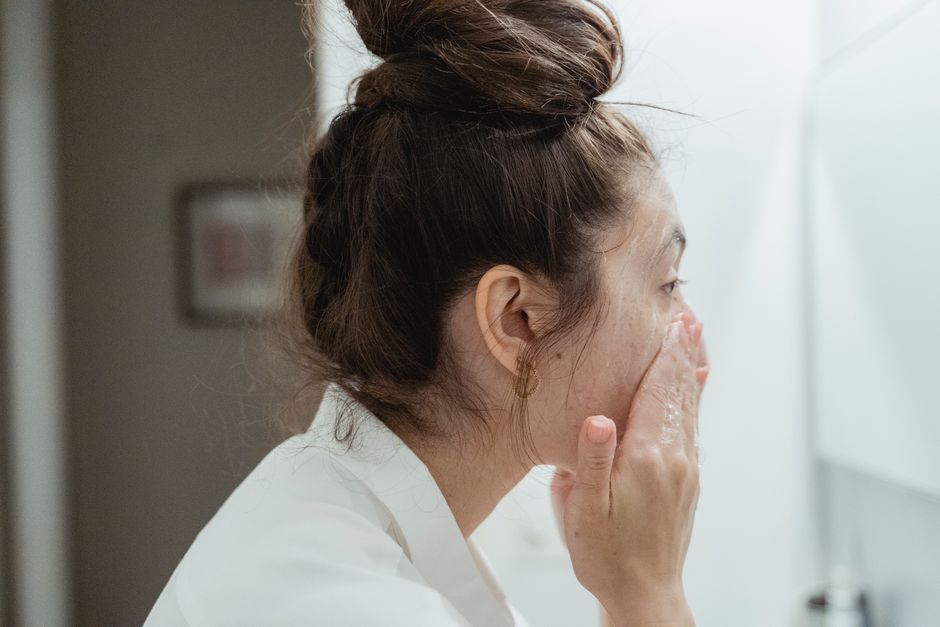
Clindamycin is a prescription antibiotic used mainly for acne and certain skin infections. Yes, it can dry out your skin, especially when applied as a topical gel or lotion. The dryness often comes from the medication itself and the alcohol or other ingredients in the formula. Most people can manage this side effect with the right moisturizer and routine.
Why Does Clindamycin Dry Out Skin?
Topical clindamycin works by stopping bacteria from growing on your skin. It targets the bacteria that contribute to acne breakouts. But the way it works also affects your skin’s surface.
Many clindamycin products contain alcohol. Alcohol evaporates quickly and pulls moisture from the skin. This leaves the surface feeling tight, flaky, and dry. Some gels also contain ingredients that help the medicine absorb, which can add to the irritation.
Your skin barrier can weaken when you apply these products. The barrier is the outer layer that holds in water and keeps irritants out. When it is disrupted, moisture escapes more easily. That is why your skin may feel rough or look dull.
The dryness is not the same for everyone. Some people barely notice it. Others find the peeling and tightness hard to tolerate. Your skin type, the product formula, and how often you apply it all play a role.
Is It the Clindamycin or Something Else?
Clindamycin itself can be mildly irritating. But the base of the product often causes more dryness than the antibiotic does. Gels and solutions with high alcohol content are the most drying. Creams and lotions tend to be gentler.
Benzoyl peroxide is a common partner to clindamycin in acne treatments. Products like this combination work well for acne, but benzoyl peroxide is known to dry and peel the skin. If you use a combination product, the dryness may come mostly from the benzoyl peroxide, not the clindamycin.
Some people also confuse dryness with an allergic reaction. Redness, swelling, or intense itching is not normal dryness. If you see those signs, stop using the product and talk to a clinician. True dryness is usually tightness, flaking, and a rough texture without severe redness.
How to Tell If Your Skin Is Too Dry
Mild dryness is common and often manageable. Your skin may feel tight after washing or look slightly flaky around the nose and mouth. These signs mean your barrier needs extra moisture.
More serious dryness includes cracking, bleeding, or painful patches. If your skin reaches that point, the treatment is doing more harm than good. You may need a different formula or a lower application frequency.
Pay attention to how your skin feels an hour after applying clindamycin. If it stings or burns beyond a few minutes, the product may be too harsh for your skin. That is not the same as mild dryness, and it is worth discussing with your prescriber.





How to Fix Dry Skin From Clindamycin
You do not have to stop treatment to fix the dryness. Simple changes can make a big difference.
Use a gentle cleanser. Harsh soaps strip the skin of natural oils. Choose a mild, fragrance-free cleanser. Wash once or twice a day, not more. Overwashing makes dryness worse.
Moisturize every time you wash. Apply moisturizer while your skin is still slightly damp. This helps lock in water. Look for products with ceramides, glycerin, or hyaluronic acid. These ingredients support the skin barrier.
Wait before layering products. If you apply clindamycin and moisturizer at the same time, the medicine may not absorb well. Wait about 10 minutes between products. A common routine is to apply clindamycin first, let it dry, then add moisturizer.
Apply clindamycin less often. Some people do well with once-daily use even when prescribed twice daily. Do not change your dose without asking your prescriber. But many clinicians support reducing frequency if irritation is a problem.
Switch formulas. If a gel dries you out, a lotion or cream version may be gentler. Ask your pharmacist or prescriber if a different base is available for your prescription.
What Kind of Moisturizer Works Best?
Not all moisturizers are equal. Thick creams and ointments generally protect better than light lotions. But you also need a product that does not clog your pores. This matters especially if you use clindamycin for acne.
Look for the words “non-comedogenic” on the label. This means the product is less likely to block pores. Gel moisturizers are lightweight and good for oily skin. Creams are richer and better for dry or sensitive skin.
Fragrance-free is a safer choice. Fragrances can irritate skin that is already struggling. The fewer ingredients, the easier it is to know what your skin can handle.
Some research suggests that moisturizers containing ceramides help repair a damaged skin barrier. Ceramides are lipids that occur naturally in your skin. Replacing them supports the barrier and reduces moisture loss.
How Long Does the Dryness Last?
Your skin often adjusts to a new topical treatment within two to four weeks. The dryness may be worst in the first week and gradually improve. This is not true for everyone, but it is a common pattern.
If the dryness does not improve after a month, the product may not be right for you. Some people never fully adjust to a drying formula. That is a sign to talk to your prescriber about alternatives.
Keep in mind that clindamycin is not a long-term treatment for most people. Many clinicians recommend it for a limited course. The dryness usually resolves after you stop using the product.
Can You Prevent Dryness Before It Starts?
Starting with a good routine helps. If you know you have dry or sensitive skin, tell your prescriber before starting clindamycin. They may choose a gentler formula from the beginning.
Begin using a moisturizer on the same day you start clindamycin. Do not wait for dryness to appear. Keeping the barrier strong from day one reduces the chance of irritation.
Also consider your environment. Cold, dry air worsens skin dryness. Using a humidifier in your bedroom during winter can help. Hot showers also strip the skin, so keep the water warm rather than hot.
Sun exposure can make irritated skin worse. Some clindamycin products can make your skin more sensitive to sunlight. Use sunscreen daily if you are going outside.
When to Talk to Your Prescriber
Mild dryness is expected and usually not a reason to stop treatment. But you should reach out if the dryness is severe, painful, or affecting your daily life.
Signs that you need medical advice include cracked or bleeding skin, spreading redness, blistering, or signs of infection. These are not normal side effects and may indicate a reaction.
Also talk to your prescriber if you are using clindamycin for acne and the dryness makes you want to stop. There are other options. A different antibiotic, a different formula, or a different treatment plan may work better for your skin.
Clindamycin taken by mouth can also cause skin reactions, but that is less common. Oral clindamycin is used for serious infections, not usually for acne. If you are taking oral clindamycin and develop a widespread rash, seek medical attention promptly.
Does Clindamycin Dry Out Skin Causes And Fixes
The short answer is yes, clindamycin can dry out your skin. The cause is usually the alcohol-based gel or solution, not the antibiotic itself. The fix is a gentle cleansing routine, a good moisturizer, and possibly a switch to a cream formula.
Most people can use clindamycin successfully with these adjustments. Dryness is a common side effect, but it is rarely a reason to stop treatment. If your skin does not improve with moisturizing, talk to your prescriber about other options.
Frequently Asked Questions
Does clindamycin dry out your skin?
Yes, topical clindamycin can dry out your skin, especially in gel or solution form. The alcohol in many formulas is the main cause of the dryness.
Can I use moisturizer with clindamycin?
Yes, you should use a moisturizer with clindamycin. Apply clindamycin first, wait about 10 minutes, then apply a non-comedogenic moisturizer.
How long does clindamycin dryness last?
Dryness is often worst in the first week and may improve within two to four weeks as your skin adjusts. If it does not improve after a month, talk to your prescriber.
Is clindamycin or benzoyl peroxide more drying?
Benzoyl peroxide is generally more drying than clindamycin. If you use a combination product, the benzoyl peroxide is often the main cause of dryness and peeling.
