
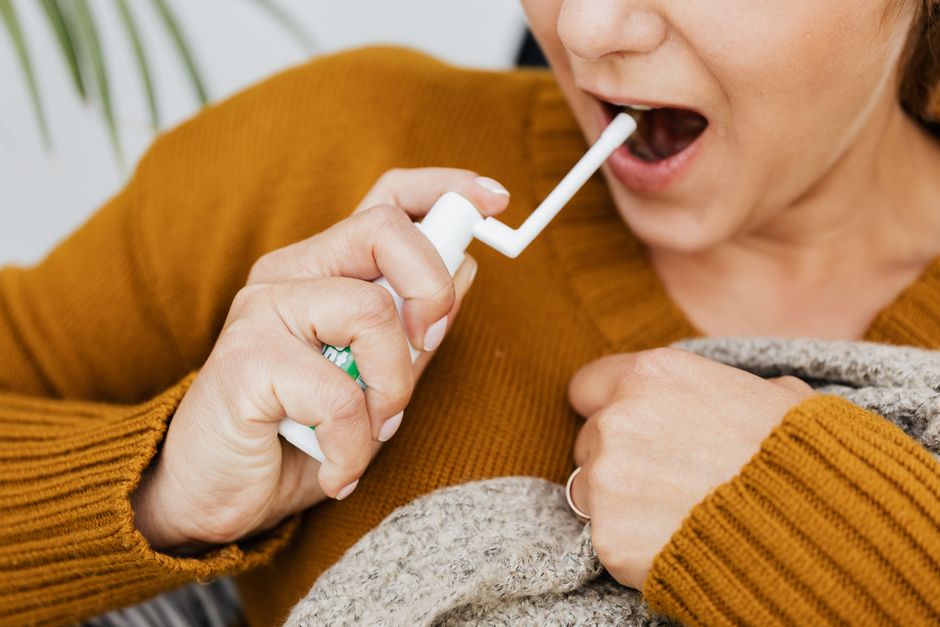
The roof of your mouth is sore because the tissue there is thin, sensitive, and easily irritated. Unlike the skin on your arm, the palate has no thick protective layer. So when something burns it, scrapes it, or causes an infection, you feel it fast. Most causes are not serious and heal on their own within a week or two. But knowing exactly what is happening helps you decide if you need to wait it out or see a dentist.
What Causes a Sore Roof of the Mouth?
The most common cause is a burn from hot food or drink. Pizza cheese, coffee, and soup are frequent culprits. The palate blisters or peels, and it stings for several days. This is called a thermal burn and it heals without treatment.
Another common cause is a canker sore. These small, shallow ulcers can appear anywhere in the mouth, including the roof. The exact cause is not fully understood, but stress, minor injury, and acidic foods are linked to them. They usually go away in 7 to 14 days.
Injuries from sharp or hard foods also happen often. Potato chips, crusty bread, or a fork jab can leave a scratch or a temporary sore spot. Your mouth heals quickly, so this usually resolves in a few days.
Less common but still possible causes include viral infections like herpes simplex, oral thrush (a yeast infection), or allergic reactions to toothpaste or mouthwash. If the soreness lasts longer than two weeks or comes with a fever, a doctor should look at it.
Is It a Burn or an Infection?
Burns and infections feel different. A burn usually happens right after eating or drinking something hot. The pain is immediate. You might see a red patch, a blister, or peeling skin. The area is tender but not usually swollen.
Infections develop more slowly. A viral sore might start as a tingling or itching sensation before a blister appears. Bacterial infections are rarer on the palate but can happen after dental work or if you have a weakened immune system. Fungal infections like thrush look like white patches that scrape off, leaving a red sore spot underneath.
Research published in the Journal of Oral Pathology & Medicine notes that most palate sores are benign and self-limiting. But the same study emphasizes that sores lasting beyond three weeks should be biopsied to rule out oral cancer. This is rare, but it is the one reason not to ignore a persistent sore.
If you are not sure whether it is a burn or an infection, look at the timing. Did the pain start immediately after eating? That points to a burn. Did it appear gradually over a day or two? That is more likely an infection or an ulcer.
Can Allergies or Toothpaste Cause This?
Yes, but it is less common than people think. Allergic reactions in the mouth are called contact stomatitis. They happen when the palate touches something it reacts to. Common triggers include cinnamon flavoring, mint, sodium lauryl sulfate in toothpaste, and certain mouthwash ingredients.
The reaction usually looks like redness, swelling, or small bumps. It might burn or itch. If you recently switched toothpaste or started a new mouthwash, that could be the cause. Stopping the product for a few days often clears it up.
Some people report that whitening strips or bleaching trays irritate the roof of their mouth. This is widely claimed, but strong evidence is limited. The American Dental Association notes that sensitivity to whitening products usually affects the gums, not the palate. If the roof of your mouth is sore after whitening, check if the tray is rubbing against it.
Food allergies can also cause palate swelling. This is called oral allergy syndrome. It happens with raw fruits and vegetables in people who have pollen allergies. The roof of the mouth itches or swells briefly. It usually goes away without treatment.




Why Is The Roof Your Mouth Sore After Eating Certain Foods?
This is a specific and common complaint. The roof of your mouth can become sore after eating acidic foods like tomatoes, citrus fruits, or vinegar-based dressings. Acid irritates the thin tissue directly. It can cause a raw, stinging sensation that lasts for hours.
Spicy foods also trigger this. Capsaicin, the compound that makes peppers hot, binds to pain receptors in your mouth. The palate has plenty of these receptors. So a spicy meal can leave the roof feeling burned even though no thermal damage happened.
Hard or crunchy foods cause physical abrasion. Think of tortilla chips, pretzels, or nuts. Their sharp edges scrape the palate as you chew. This is called mechanical trauma. You might not notice it during the meal, but afterward it feels raw or tender.
Some people also have a condition called geographic tongue that affects the palate too. It causes red, smooth patches that can be sensitive to certain foods. This is not dangerous, but it can make eating uncomfortable. If the soreness consistently follows specific foods, try eliminating them for a week and see if it helps.
When Should You See a Doctor or Dentist?
Most palate sores heal on their own. But some signs mean you should get checked. If the sore lasts longer than two weeks without improving, see a dentist or an oral medicine specialist. Persistent sores need evaluation to rule out oral cancer, even though that is rare.
Other warning signs include a sore that bleeds easily, grows in size, or has a hard border. Pain that spreads to the ear or jaw is also a reason to seek care. If you have a fever, swollen lymph nodes, or trouble swallowing, see a doctor promptly.
The CDC reports that about 53,000 Americans are diagnosed with oral cavity or oropharyngeal cancer each year. The palate is one possible location. Most cases are in people over 40 who use tobacco or drink heavily. But anyone with a non-healing sore should be checked.
If the soreness is from a burn or canker sore, you do not need medical care. Over-the-counter pain gels, salt water rinses, and soft foods are enough. If it is from an infection, a doctor can prescribe antiviral or antifungal medication. Do not try to diagnose yourself with something serious. Just know the timeline and the warning signs.
Home Care That Actually Helps
Salt water rinses are the simplest and most evidence-supported home remedy. Mix half a teaspoon of salt in a cup of warm water. Swish for 30 seconds and spit. Do this two to three times a day. It reduces inflammation and keeps the area clean. Research supports this for general mouth sores.
Cold foods and drinks can numb the pain temporarily. Ice cream, yogurt, or cold water soothe a burned or irritated palate. Avoid hot, spicy, or acidic foods until the sore heals. Soft foods like mashed potatoes, scrambled eggs, and smoothies are easier to tolerate.
Over-the-counter oral gels containing benzocaine or lidocaine provide temporary pain relief. They form a protective coating over the sore. Use them as directed. Do not overuse them, especially in children, because numbing can mask a more serious problem.
Honey has some evidence for wound healing. A 2019 review in the journal Complementary Therapies in Medicine found that honey reduced the size and pain of mouth ulcers compared to placebo. Apply a small amount directly to the sore. Manuka honey is often recommended, but regular raw honey also works.
Avoid alcohol-based mouthwashes. They sting and can delay healing. If you want to rinse, use a non-alcoholic option or stick with salt water. Also avoid smoking or vaping while the sore is present. Tobacco irritates oral tissue and slows healing.
| Cause | Typical Duration | Best Home Care |
|---|---|---|
| Thermal burn | 3 to 7 days | Cold foods, salt water rinse |
| Canker sore | 7 to 14 days | Benzocaine gel, honey, soft diet |
| Mechanical injury | 2 to 5 days | Soft foods, avoid crunchy snacks |
| Viral infection | 7 to 10 days | Antiviral if prescribed, cold liquids |
| Allergic reaction | Resolves after trigger removed | Stop suspect product, antihistamine if needed |
Common Misconceptions About Palate Sores
One widespread myth is that a sore roof of the mouth means you have a vitamin deficiency. This is not backed by strong evidence. While severe deficiencies in B vitamins, iron, or zinc can cause mouth ulcers, most people with occasional palate sores are not deficient. Routine blood tests are not needed unless you have recurrent ulcers and other symptoms like fatigue.
Another myth is that you should pop blisters on the palate. Do not do this. Blisters from burns are a protective barrier. Popping them exposes raw tissue to bacteria and increases pain. Let them heal on their own.
Some people believe that alcohol kills bacteria in mouth sores and speeds healing. It does not. Alcohol dries out the tissue and irritates it further. Rubbing alcohol or whiskey on a sore will only make it worse. Stick with salt water.
Finally, there is a persistent claim that toothpaste brands cause all mouth sores. This is overstated. Sodium lauryl sulfate can irritate some people, but switching toothpaste only helps if you are actually sensitive to it. Most people with palate sores have a different cause entirely.
Frequently Asked Questions
Why is the roof of my mouth sore but no visible sores?
This is often from acid reflux, sinus drainage, or a mild allergic reaction. The tissue is inflamed without forming an ulcer.
Can stress cause the roof of my mouth to be sore?
Stress is linked to canker sores and can make existing irritation feel worse. It does not directly damage the palate but can trigger outbreaks.
How long should a sore roof of the mouth last?
Most causes heal within 7 to 14 days. If it lasts longer than three weeks, see a dentist or doctor for evaluation.
Is a sore roof of the mouth a sign of COVID-19?
Some people report mouth sores during COVID-19, but it is not a common or reliable symptom. A sore palate alone is unlikely to be COVID.
