
Spinal muscular atrophy (SMA) is a genetic condition that damages the motor neurons in the spinal cord, the nerve cells that carry signals from the brain to the muscles. When those cells are lost, muscles weaken and shrink over time. The diagnosis rests on a genetic test, not on symptoms alone, because the symptoms of SMA overlap with several other conditions.
SMA is caused by changes in a gene called SMN1. A blood test can confirm the diagnosis by counting copies of SMN1 and, in most cases, measuring a second gene called SMN2 that influences how severe the disease becomes. Genetic testing is the standard way SMA is diagnosed today.
What Is SMA and What Causes It?
SMA is an inherited disease of the motor neurons. Motor neurons live in the spinal cord and brainstem, and they send the electrical commands that make voluntary muscles move. In SMA, these cells deteriorate, and the muscles they control weaken.
The cause is well understood. Almost all cases involve the SMN1 gene on chromosome 5. This gene carries instructions for making a protein called survival motor neuron protein, which motor neurons need to survive. When both copies of SMN1 are missing or faulty, the body cannot make enough of this protein, and motor neurons die.
SMA is inherited in an autosomal recessive pattern. That means a child must inherit a non-working SMN1 gene from each parent to develop the disease. Parents who each carry one faulty copy are called carriers. They usually have no symptoms. If both parents are carriers, each pregnancy carries a 1 in 4 chance the child will have SMA. Roughly 1 in 40 to 1 in 60 people are carriers, though estimates vary by population.
A second gene, SMN2, is nearly identical to SMN1 and sits right next to it. SMN2 also makes survival motor neuron protein, but it makes far less of it because of a small difference in how its instructions are read. People can have different numbers of SMN2 copies. More copies generally means more working protein and a milder form of the disease. This is why two people with the same SMN1 defect can have very different levels of weakness.
What Is SMA Diagnosis Genetic Tests Explained?
Genetic testing is how SMA is diagnosed. It looks directly at the SMN1 gene to see whether both copies are missing or altered. This is different from many genetic tests that hunt for a single small spelling error. SMA is usually caused by a whole chunk of the SMN1 gene being deleted, so the test is built to detect missing copies rather than tiny mutations.
The main test is called SMN1 copy number analysis. It counts how many working copies of SMN1 a person has. A result of zero working copies, when combined with symptoms, confirms SMA. Most labs also measure SMN2 copy number at the same time, because it helps predict how severe the disease is likely to be.
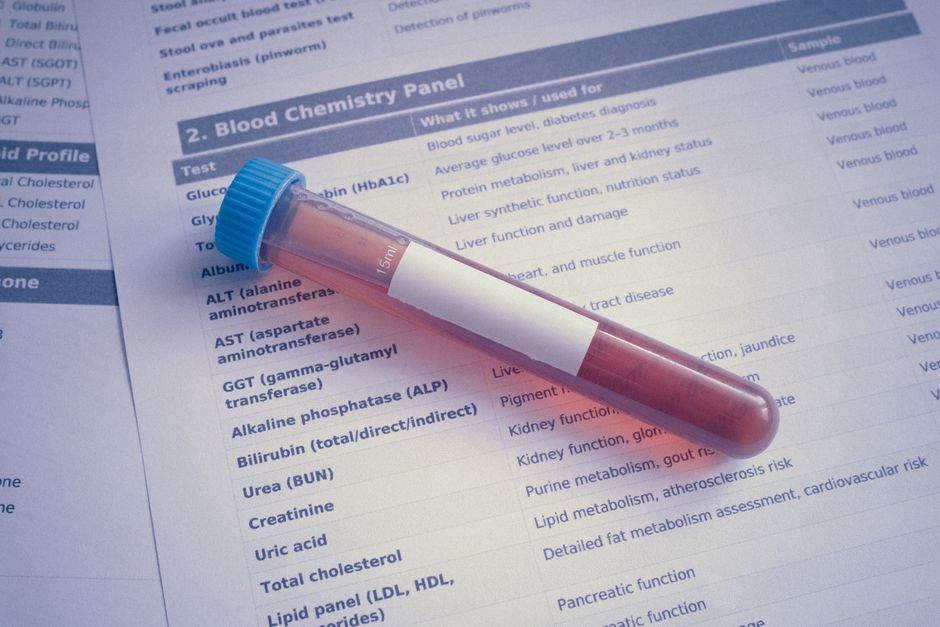
Testing is done on a blood sample. It does not require a spinal tap or muscle biopsy, which were used more often before genetic testing existed. Results typically take one to a few weeks depending on the lab.
There are a few situations where the standard test can miss a diagnosis. A small number of people have a faulty SMN1 gene that is present but not working, rather than missing entirely. In those cases, copy number testing may look normal, and a different type of test that reads the gene’s sequence is needed. This is uncommon but worth knowing if symptoms strongly suggest SMA and the first test is negative.
Why Genetic Testing Replaced Older Methods
Before the SMN1 gene was identified in the 1990s, SMA was diagnosed by recognizing the pattern of weakness and confirming motor neuron loss, sometimes with a muscle biopsy or electrical nerve studies. Those methods could show that motor neurons were damaged, but they could not say why.
Genetic testing changed that. It gives a direct answer about the underlying cause. It also allows testing in people with mild symptoms that might otherwise be attributed to something else.
Two other tests still have a role. Electromyography (EMG) and nerve conduction studies can show that the problem lies in the motor neurons rather than in the muscles or the nerves connecting to them. These are sometimes used when the picture is unclear or when genetic testing is not available. They are not needed to confirm SMA when a genetic result is positive.





What Do the Test Results Mean?
A genetic result is reported as the number of working SMN1 copies and the number of SMN2 copies. The SMN1 count tells you whether the person has SMA. The SMN2 count gives a rough sense of how severe it may be.
SMN2 copy number is a general guide, not a firm prediction. People with the same SMN2 count can have different outcomes. The relationship between SMN2 copies and severity is real but not exact, and clinicians use it alongside other information rather than on its own.
| Result | What it usually means |
|---|---|
| Zero working SMN1 copies | SMA is present. Severity varies widely and depends partly on SMN2 copies. |
| One working SMN1 copy | Carrier. Usually no symptoms. Can pass the faulty gene to a child. |
| Two working SMN1 copies | Not a carrier in the usual sense. Very unlikely to have or pass SMA. |
| Higher SMN2 copy number | Generally linked to milder disease, but not a guarantee. |
Because SMN2 is a guide rather than a verdict, families should treat any prediction about how a person will do over time with caution. The disease course is influenced by many factors, and treatments have changed outcomes in recent years.
How Does Carrier Testing Work?
Carrier testing checks whether a person has one faulty copy of SMN1. Carriers have no symptoms and often do not know they carry the gene.
Carrier testing is commonly offered to people with a family history of SMA and to couples planning a pregnancy or already pregnant. Some clinicians offer it more broadly, and professional guidance on routine population-wide carrier screening has evolved over time. If you are considering it, ask your clinician what is recommended for your situation.
If both partners are carriers, each pregnancy carries a 1 in 4 chance of the child having SMA, a 1 in 2 chance of the child being a carrier, and a 1 in 4 chance of the child being unaffected and not a carrier. These odds are the same for every pregnancy. A genetic counselor can walk through what the numbers mean for your family.
Can SMA Be Found Before Symptoms Start?
Yes. Because the genetic cause is known, SMA can be detected before any weakness appears. Two situations make this possible.
The first is newborn screening. Several states in the US now test newborns for SMA as part of routine heel-prick screening. This allows treatment to begin early, sometimes before symptoms show. Screening programs have expanded in recent years, and availability varies by state, so it is worth checking what your state currently includes.
The second is prenatal or preimplantation testing for families known to be at risk. Prenatal testing can be done during pregnancy, and preimplantation genetic testing can be used with in vitro fertilization.
Early detection matters because motor neurons that are already lost do not grow back. This is why newborn screening programs were developed. The earlier treatment starts, the more motor function may be preserved. How much benefit early treatment provides continues to be studied, and outcomes vary from person to person.
What Happens After an SMA Diagnosis?
A confirmed diagnosis is usually followed by referral to a neurologist or a neuromuscular specialist. The next steps involve assessing how much strength and function the person has, watching breathing and swallowing, and discussing treatment options.
Several treatments for SMA have been approved in the US in recent years. They work in different ways, and the choice depends on age, disease type, and other factors. This is a fast-changing area, and the specifics of who should receive which treatment are best discussed with a specialist who follows current guidance.
Genetic testing does not treat SMA. What it does is give a clear answer about the cause, guide decisions about care, and inform family members about their own risk. For a disease where early action can matter, that information is the starting point.
Frequently Asked Questions
What is the main genetic test for SMA?
The main test is SMN1 copy number analysis, which counts how many working copies of the SMN1 gene a person has. A result of zero working copies confirms SMA when symptoms are present.
Can SMA be diagnosed with a blood test?
Yes. SMA is diagnosed with a blood test that examines the SMN1 gene, and no spinal tap or muscle biopsy is needed. Results usually take one to a few weeks.
What does SMN2 copy number mean?
SMN2 copy number is a general guide to how severe SMA may be, with more copies usually linked to milder disease. It is not an exact prediction, and people with the same number can have different outcomes.
Can you be a carrier of SMA and not know it?
Yes. Carriers have one faulty SMN1 copy and usually have no symptoms at all. Carrier testing can tell you whether you carry the gene.
