
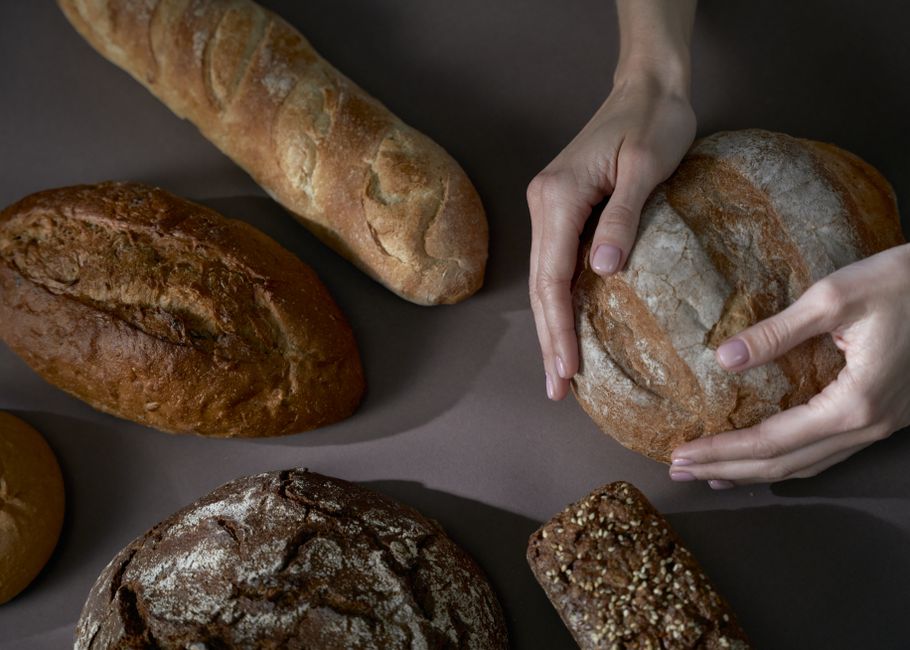
Sourdough bread has been baked for thousands of years, long before commercial yeast existed. Today, it is often called a healthier bread option, and for good reason. The real difference comes down to how it is made — through a slow fermentation process that changes the bread’s structure, its effect on blood sugar, and how easy it is to digest. Unlike regular bread made with added yeast in a few hours, sourdough uses a live culture of wild yeast and bacteria that breaks down the grain before it ever reaches your plate.
Why Is Sourdough Bread Good For You
The short answer is that sourdough is easier to digest, may cause a gentler rise in blood sugar, and contains more available nutrients than many other breads. The fermentation process is the reason. During fermentation, the bacteria and yeast in the starter consume sugars and break down phytic acid, a compound in grains that blocks mineral absorption. This means your body can actually use the iron, zinc, and magnesium in the bread.
This is not marketing. It is the documented result of a biological process. The same flour, made into regular bread versus sourdough, behaves differently in your body because of fermentation time.
How Does Fermentation Change the Bread?
Regular bread is made with baker’s yeast and rises in one to two hours. Sourdough rises slowly — often 12 to 48 hours depending on the recipe and temperature. That extended time is not just for flavor. It allows enzymes to work on the flour.
One of the most important changes is the breakdown of phytic acid. Phytic acid is found in the bran of grains. It binds to minerals like iron, zinc, and calcium, making them harder for your body to absorb. The lactic acid bacteria in sourdough produce phytase, an enzyme that breaks phytic acid down. Research consistently shows that sourdough fermentation reduces phytic acid significantly compared to conventional bread-making methods.
The fermentation also partially breaks down gluten proteins. This does not make sourdough safe for people with celiac disease — that is a serious autoimmune condition and no amount of fermentation changes that. But for people who feel bloated or heavy after eating regular bread, sourdough is often better tolerated because the gluten structure is already partially digested before you eat it.
What Does Sourdough Do to Blood Sugar?
Blood sugar response matters, especially for people with prediabetes, diabetes, or anyone watching their energy levels. Several studies have found that sourdough bread produces a lower blood sugar spike than white bread made from the same flour.
The mechanism is not fully settled, but two factors appear to play a role. First, the organic acids produced during fermentation — particularly lactic acid — slow down how quickly the stomach empties. This delays digestion. Second, the altered starch structure may be more resistant to rapid breakdown.
Some research suggests that the blood sugar benefit may last beyond the meal itself. In one study, participants who ate sourdough bread at breakfast had better blood sugar control at lunch compared to those who ate regular bread. The effect was modest, and the exact reason is still being studied. But the pattern is consistent enough that sourdough is a reasonable choice for people concerned about glucose control.
One important note: sourdough is not a free pass. It still contains carbohydrates and calories. A lower spike is not the same as no spike. Portion size still matters.





Is Sourdough More Nutritious Than Regular Bread?
In terms of raw nutrients, sourdough and regular bread start from the same flour. The difference is bioavailability — how much of those nutrients your body can actually use.
Because fermentation reduces phytic acid, the minerals in sourdough are more accessible. This is most relevant for people who eat a lot of bread or have low iron stores. For someone eating a varied diet with plenty of animal protein and vegetables, the difference may be minor. For someone relying heavily on grains, the improvement in mineral absorption is meaningful.
Sourdough also contains prebiotics and probiotics. The term probiotics is used carefully here. The live bacteria in sourdough are largely killed during baking, so a finished loaf is not a significant source of live probiotics. However, the byproducts of those bacteria — including certain organic acids — act as prebiotics, feeding the beneficial bacteria in your gut. The evidence here is promising but not conclusive. Some studies show improved gut markers in people who eat sourdough regularly, but the research is not as strong as it is for fermented dairy products like yogurt.
Is Sourdough Good for Digestion?
Many people report that sourdough causes less bloating and discomfort than regular bread. There are real reasons this could be true.
First, the gluten is partially broken down during fermentation. Second, the fermentation process reduces FODMAPs — short-chain carbohydrates that ferment in the gut and cause gas in sensitive people. Some research has found that traditional sourdough made with a long fermentation is lower in FODMAPs than standard bread. This is why many people with irritable bowel syndrome tolerate sourdough better.
For people with celiac disease, the situation is different. Celiac disease is an autoimmune reaction to gluten, and it is triggered by even tiny amounts. No fermentation process can make wheat safe for someone with celiac disease. If you have celiac disease, sourdough made from wheat, rye, or barley is not safe. Gluten-free sourdough made from certified gluten-free grains is the only option.
For people with non-celiac gluten sensitivity — a less understood condition — sourdough may be worth trying. The evidence is anecdotal and limited, but the lower gluten content and reduced FODMAPs offer a plausible explanation for why some people do better with it.
Sourdough vs. Regular Bread: What Is the Actual Difference?
Here is a side-by-side comparison of the key differences. Keep in mind that exact numbers vary by recipe, flour type, and fermentation time.
| Factor | Sourdough | Regular Bread |
|---|---|---|
| Fermentation time | 12–48 hours | 1–2 hours |
| Phytic acid level | Significantly reduced | Largely intact |
| Gluten breakdown | Partial | Minimal |
| Blood sugar response | Lower spike in studies | Higher spike |
| FODMAP content | Lower with long fermentation | Higher |
| Live probiotics after baking | None — bacteria killed by heat | None |
| Prebiotic compounds | Present | Minimal |
The table shows the general direction of the evidence. Individual loaves vary. A sourdough made with a 12-hour fermentation is different from one made with a 48-hour fermentation. Longer is generally better for the health benefits, but it also produces a more sour flavor.
What Kind of Sourdough Should You Buy or Make?
Not all bread labeled sourdough is real sourdough. Many commercial bakeries add sourdough flavoring or a small amount of starter to bread made with commercial yeast. This gives a sour taste without the long fermentation.
Look for bread that lists flour, water, and salt as the only ingredients, or flour, water, salt, and starter. The word “sourdough” on the label is not enough. Ask the bakery how long the bread ferments. Anything under 12 hours is not providing the full benefits of traditional sourdough.
If you are buying from a grocery store, check the ingredient list. If it contains yeast alongside sourdough culture, it is a hybrid — better than standard white bread but not the same as traditional sourdough. The health benefits described here come from long, slow fermentation, not from flavoring.
Making sourdough at home gives you full control. The starter takes about a week to establish, and the bread-making process requires planning. But the active effort is small — most of the work is waiting. For people who eat bread regularly, the difference in how they feel is often noticeable within a few weeks.
Are There Any Downsides to Sourdough?
Sourdough is not a health food in the way vegetables and lean protein are. It is still bread, and it is still calorie-dense. The health benefits are real but modest in the context of an overall diet.
For people with celiac disease, sourdough made from wheat is dangerous. This cannot be stated strongly enough. The fermentation process does not eliminate gluten. It only partially breaks it down, and the remaining gluten is still enough to trigger an autoimmune response.
Some people find sourdough harder to digest at first. If you are not used to fermented foods, introducing sourdough gradually can help. This is not a common problem, but it happens.
There is also the question of cost. Real sourdough is more expensive than mass-produced bread because it takes more time and skill to make. Whether that cost is worth it depends on how much bread you eat and how your body responds to it.
Frequently Asked Questions
Is sourdough bread good for people with diabetes?
Sourdough produces a lower blood sugar spike than regular bread in several studies, which makes it a better choice for blood sugar management. It still contains carbohydrates, so portion control remains important.
Can people with celiac disease eat sourdough bread?
No. Sourdough made from wheat, rye, or barley is not safe for people with celiac disease because fermentation does not remove gluten. Only sourdough made from certified gluten-free grains is safe.
Is sourdough healthier than whole wheat bread?
It depends on what you compare. Whole wheat bread has more fiber than sourdough made from white flour. Sourdough made from whole wheat flour offers both the fiber and the fermentation benefits.
Does sourdough contain probiotics?
Baking kills the live bacteria in sourdough, so finished bread is not a significant source of live probiotics. It does contain prebiotic compounds that feed beneficial gut bacteria.
