
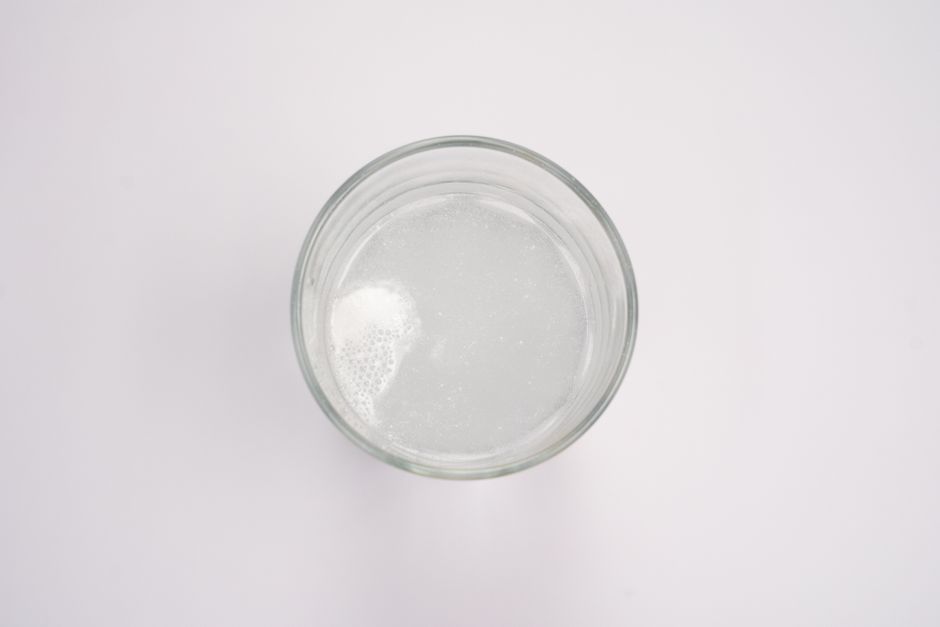
You open the fridge, grab your yogurt, and notice something odd. Tiny bubbles sit on the surface. Maybe the lid is puffed up. You wonder if it has gone bad or if something went wrong during making it at home. The short answer is that bubbling in yogurt is usually harmless, but there are cases where you should throw it out. The key difference comes down to what caused the bubbles and how the yogurt smells and looks. Most of the time, bubbling is just a sign of active fermentation continuing after the yogurt was made. That is normal and safe. But if the yogurt smells yeasty, tastes sour in a sharp way, or shows mold, do not eat it.
Why Is My Yogurt Bubbling And Is It Safe To Eat?
Bubbles form when gases get trapped in the yogurt. The most common cause is yeast. Yeast is everywhere in the air and on fruit. When yeast gets into yogurt, it feeds on sugars and produces carbon dioxide gas. That gas creates bubbles and can make the container puff up. This is the same process that makes bread rise and beer ferment.
Another cause is the yogurt cultures themselves. The live bacteria in yogurt continue to work even in the fridge, just much more slowly. Some strains of bacteria produce gas as a byproduct. This is especially true in Greek yogurt or yogurt made at home where the fermentation was not fully controlled. The gas is harmless in these cases.
So is it safe to eat? Usually yes, if the yogurt smells fine and tastes fine. But you need to check carefully. If the yogurt has an alcohol-like smell, a sharp sour taste, or visible mold, throw it out. The bubbles alone are not the problem. The smell and taste are the real indicators.
What Causes Bubbles in Yogurt?
Yeast contamination is the leading cause of visible bubbling. Yeast cells are small and can survive refrigeration. They do not die in the cold. They simply slow down. When you open the yogurt and introduce oxygen, or when the yogurt sits at room temperature for a while, yeast wakes up and starts producing gas.
Fruit-flavored yogurts are more prone to bubbling than plain yogurt. Fruit contains natural sugars that yeast loves. If you add fruit to plain yogurt at home, you increase the chance of yeast growth. The fruit itself can carry yeast spores from its surface.
Another cause is the type of bacterial culture used. Some yogurt cultures, especially certain strains of Lactobacillus and Bifidobacterium, produce gas as part of their metabolism. This is completely normal. These bacteria are the same ones that give yogurt its health benefits. Their gas production does not mean the yogurt is unsafe.
Temperature fluctuations also play a role. If yogurt sits out on the counter for a few hours and then goes back in the fridge, the bacteria and yeast get a chance to multiply. Each time this happens, more gas is produced. The container may swell, and bubbles become visible when you open it.
How To Tell If Bubbling Yogurt Is Safe
Your senses are the best tools here. Start with your nose. Open the container and smell it. Fresh yogurt has a clean, tangy aroma. If you smell something like alcohol, nail polish remover, or sour beer, that is a sign of yeast overgrowth. Do not eat it.
Look at the texture. A few bubbles on the surface are fine. But if the yogurt has separated into watery liquid and curds, or if there is visible mold — fuzzy spots in green, black, or pink — discard the entire container. Mold can spread invisible roots through the yogurt even if you only see it on top.
Taste a tiny amount if the smell and appearance seem fine. The yogurt should taste tangy but not sharply sour or bitter. A mild fizziness is acceptable. That fizz is just dissolved carbon dioxide, similar to what you find in sparkling water. If the taste is unpleasant, spit it out and throw away the yogurt.
Here is a quick checklist for evaluating bubbling yogurt:
- Smells like alcohol or yeast — discard
- Visible mold anywhere — discard
- Sharp, bitter, or soapy taste — discard
- Mild fizz with normal smell and taste — safe to eat
- Separation of liquid on top — normal, just stir it in




What About Puffed Up Yogurt Containers?
A swollen container means gas built up inside. This is the same principle as a bloated milk carton. The gas has to come from somewhere. In yogurt, that gas is almost always carbon dioxide from yeast or bacteria.
A puffed container is not automatically dangerous. But it does mean fermentation continued beyond what the manufacturer intended. This happens more often with yogurt that is close to its expiration date or yogurt that was left out of the fridge too long.
If the container is significantly swollen, check the expiration date. If the yogurt is past its date, do not risk it. If it is well within the date and the yogurt smells and looks normal, you can safely eat it. The puffing alone is not a reliable sign of spoilage.
One exception is if the container is metal or glass and severely deformed. That level of pressure is unusual and suggests heavy microbial activity. In that case, discard the yogurt without opening it. The risk of contamination is too high.
Is Bubbling Yogurt a Sign of Fermentation?
Yes. Bubbling is direct evidence that fermentation is happening or has happened. Yogurt is made by fermentation. Bacteria convert lactose, the sugar in milk, into lactic acid. This acid gives yogurt its tangy taste and thick texture. Some bacteria also produce gas during this process.
When you buy yogurt from the store, the fermentation is mostly stopped by refrigeration. But the live cultures are still there. They are just dormant. If the yogurt warms up, even briefly, those cultures wake up and resume fermentation. This produces more acid and sometimes gas.
This is why homemade yogurt bubbles more often than commercial yogurt. When you make yogurt at home, you do not have the same control over temperature and sanitation. The fermentation can continue longer, and the cultures may be more active. Homemade yogurt that bubbles is still safe as long as it smells and tastes right.
Some research suggests that the gas produced by yogurt cultures is mostly carbon dioxide and sometimes small amounts of hydrogen. Neither of these gases is toxic. They are the same gases produced in your own digestive system. The amounts in yogurt are tiny and harmless.
Can You Eat Yogurt With Bubbles If It Tastes Fine?
Yes. If the yogurt smells normal, has no mold, and tastes fine, the bubbles are not a reason to throw it out. The fizziness you feel on your tongue is carbon dioxide. It is the same gas that carbonates soda. It is completely safe to consume.
Some people actually enjoy the fizzy texture. It is similar to kefir, a fermented milk drink that is naturally carbonated. Kefir is prized for its probiotic content and is intentionally made to be effervescent. Bubbling yogurt is essentially moving in that direction.
The main concern with bubbling yogurt is not the gas itself. It is what the gas represents. If yeast caused the bubbles, the yeast is also changing the flavor and possibly producing compounds you do not want. But your nose and tongue will catch that. Trust them.
If you are immunocompromised, pregnant, or caring for a young child, be more cautious. The immune system may not handle even mild spoilage well. In these cases, it is reasonable to discard bubbling yogurt even if it seems fine. The cost of a new container is not worth the risk.
How To Prevent Bubbling in Homemade Yogurt
Sanitation is the most important step. Sterilize all your equipment before making yogurt. Boil the jars, lids, and utensils. Wash your hands thoroughly. This reduces the chance of yeast getting into your batch.
Control the fermentation temperature. Yogurt cultures work best between 110°F and 115°F. If the temperature is too high, the bacteria die. If it is too low, they work slowly and other microbes can take over. Use a thermometer to keep the temperature steady.
Cool the yogurt quickly after fermentation. Once the yogurt reaches the tanginess you like, move it to the fridge immediately. Do not leave it on the counter to cool slowly. Rapid cooling stops fermentation and reduces gas production.
Use plain yogurt as your starter. Fruit-flavored yogurts contain added sugars that feed yeast. A plain, high-quality starter with active cultures gives you more control. You can add fruit later, right before eating, rather than during fermentation.
Frequently Asked Questions
Can I eat yogurt that has bubbles on top?
Yes, if the yogurt smells normal and has no mold. Bubbles are usually just carbon dioxide from yeast or bacteria, which is harmless.
Why does my yogurt have a fizzy taste?
The fizz is dissolved carbon dioxide gas produced by fermentation. It is safe to eat and similar to the carbonation in sparkling water.
Is puffed up yogurt safe to eat?
Usually yes, if it is within the expiration date and smells normal. A swollen container means gas built up, but that alone does not mean the yogurt is spoiled.
How long can yogurt sit out before it goes bad?
Yogurt should not sit at room temperature for more than two hours. After that, bacteria and yeast multiply quickly and spoilage becomes more likely.
