
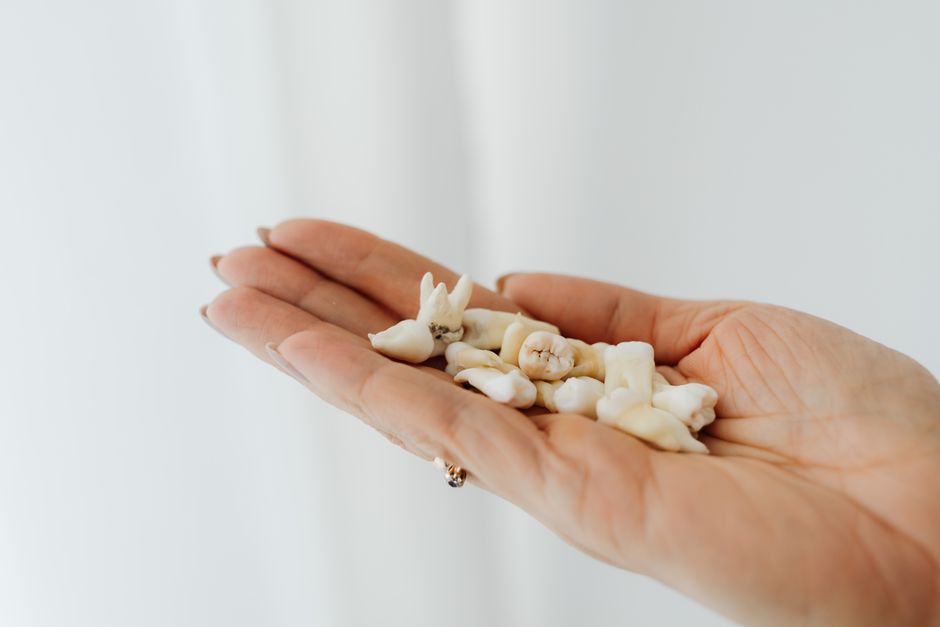
Wisdom tooth pain is one of the most intense types of dental pain you can experience. The immediate answer is to combine over-the-counter pain relievers with home care like salt water rinses and cold compresses, then see a dentist as soon as possible. These steps manage the symptoms, but only a dental professional can address the actual cause, whether that is impaction, infection, or inflammation.
Why Do Wisdom Teeth Hurt So Much?
Wisdom teeth, also called third molars, usually come in between ages 17 and 25. They are the last teeth to erupt, and most jaws simply do not have room for them. This leads to impaction, which means the tooth is blocked from coming in normally.
When a wisdom tooth pushes against the neighboring molar or gets stuck in the jawbone, it creates pressure. That pressure triggers inflammation in the surrounding gum tissue. The pain is often described as a deep, throbbing ache that can radiate to the ear, jaw, or neck.
Another common cause is pericoronitis. This happens when the wisdom tooth only partially breaks through the gum. A flap of gum tissue remains over part of the tooth, creating a pocket where food and bacteria get trapped. That pocket becomes infected and swollen, causing significant pain and sometimes a bad taste in your mouth.
What Can You Do Right Now for Wisdom Tooth Pain?
Start with over-the-counter pain medication. Ibuprofen (Advil, Motrin) is often the first choice because it reduces both pain and inflammation. Acetaminophen (Tylenol) works for pain but does not reduce inflammation. Follow the dosing instructions on the package unless your doctor or dentist gives you different directions.
Apply a cold compress to the outside of your cheek. Use an ice pack wrapped in a thin towel for 15 to 20 minutes at a time. This helps numb the area and reduces swelling. Do not put ice directly on your skin, as that can cause frostbite.
Rinse your mouth with warm salt water. Mix about half a teaspoon of salt into a glass of warm water and swish it gently around the affected area. This helps keep the area clean and can draw out some fluid from swollen tissues. Do this several times a day, especially after eating.
Which Home Remedies Actually Work?
Several home remedies can provide temporary relief, but none of them treat the underlying problem. They buy you time until you can see a dentist.
Clove oil is one of the better-studied options. It contains eugenol, a compound with natural numbing and antibacterial properties. Apply a small amount to a cotton swab and dab it directly on the painful area. Use it sparingly—too much can irritate the gums or burn the tissue.
Salt water rinses are safe and effective for keeping the area clean. They do not numb pain directly, but they reduce bacteria and food debris that can make inflammation worse.
A cold compress works best within the first 48 hours of swelling. After that, some people find warm compresses more soothing for muscle tension in the jaw. Switch based on what feels better for you.
Elevating your head with extra pillows when you sleep can reduce blood flow to the area, which may lessen throbbing pain. It is a simple trick that genuinely helps some people.





What Should You Avoid?
Do not place aspirin directly on your gums. This is a common home remedy that causes chemical burns on the soft tissue. It does not relieve tooth pain effectively and can damage your mouth.
Avoid very hot, cold, or crunchy foods. These can irritate the area and make the pain worse. Stick to soft foods like yogurt, mashed potatoes, and soup until you see a dentist.
Do not poke at the area with toothpicks, your fingers, or any other object. You can push bacteria deeper into the tissue and make an infection worse.
If you smoke, try to stop or reduce it. Smoking delays healing and increases the risk of a condition called dry socket, which is extremely painful. This is especially important if you end up having the tooth removed.
When Do You Need a Dentist Right Away?
Some symptoms mean you need urgent dental care, not home management. If you have significant swelling in your face or jaw, difficulty opening your mouth, trouble swallowing, or a fever, you may have a spreading infection. These symptoms require prompt professional attention.
If the pain lasts more than a couple of days, you need to see a dentist. Even if the pain goes away, the underlying problem remains. Wisdom tooth pain that comes and goes can still be a sign of infection or damage to the adjacent tooth.
In rare cases, an impacted wisdom tooth can cause a cyst to form around it. This can damage the jawbone and nearby teeth. Regular dental X-rays can detect these problems before they become severe.
What Are Your Treatment Options?
Your dentist will first examine the area and likely take an X-ray. The X-ray shows the position of the wisdom tooth and whether it is causing damage to neighboring teeth or bone.
If the pain comes from inflammation around a partially erupted tooth, your dentist may clean the area and prescribe antibiotics if there is an active infection. They may also recommend a medicated mouth rinse to use at home.
If the wisdom tooth is impacted or causing repeated problems, extraction is the standard treatment. This is one of the most common surgical procedures performed in the United States. The dentist or oral surgeon removes the tooth, and most people recover within a few days to a week.
Not every wisdom tooth needs to be removed. If a wisdom tooth comes in straight, fully erupts, and you can clean it properly, your dentist may recommend leaving it in place. The decision depends on your specific anatomy, oral hygiene, and risk of future problems.
How To Get Rid of Wisdom Tooth Pain Long-Term
The only permanent solution for wisdom tooth pain is addressing the tooth itself. Pain medication and home remedies manage symptoms temporarily. They do not fix an impacted tooth, an infection, or damage to the adjacent molar.
See a dentist for an evaluation. They can tell you whether the pain is from impaction, infection, or another cause entirely. Sometimes what feels like wisdom tooth pain is actually a cavity in the neighboring molar or gum disease in the area.
If extraction is recommended, the procedure is routine and safe. Most people have the surgery with local anesthesia and return home the same day. Recovery involves soft foods, gentle rinsing, and avoiding strenuous activity for a few days. The socket heals over several weeks, and the pain from the procedure gradually subsides.
Some research suggests that removing wisdom teeth before age 25 results in faster healing and fewer complications. This is because the bone is less dense and the roots are not fully formed in younger patients. But this is a general trend, not a rule for every person.
Can Wisdom Tooth Pain Go Away on Its Own?
Sometimes, yes. If the pain is from mild inflammation as the tooth pushes through the gum, it may settle down once the tooth moves into a better position. But if the pain is from infection, impaction, or pressure against a neighboring tooth, it will likely return until the problem is treated.
Pain that disappears for weeks and then comes back is common. The tooth has not moved much during that time. The underlying crowding or impaction is still there. Ignoring the problem allows it to progress, potentially causing decay in the adjacent molar or bone loss around the roots.
The honest answer is that wisdom tooth pain does not resolve on its own when the cause is structural. Pain medication masks the symptom. Only a dentist can determine whether the tooth can stay or needs to come out.
Frequently Asked Questions
How long does wisdom tooth pain last?
Pain from eruption can last days to weeks as the tooth moves. Pain from infection or impaction lasts until the cause is treated.
Can I take ibuprofen and acetaminophen together for wisdom tooth pain?
Yes, they work differently and can be combined safely when taken at recommended doses. Check with your pharmacist or dentist if you have any health conditions or take other medications.
Is it safe to use clove oil on wisdom tooth pain?
Clove oil can numb pain when applied directly and sparingly. Do not swallow it and stop using it if your gums become irritated.
Will a wisdom tooth infection go away without antibiotics?
A mild infection may be managed with cleaning and rinsing, but a spreading infection requires antibiotics. See a dentist to determine the severity.
