
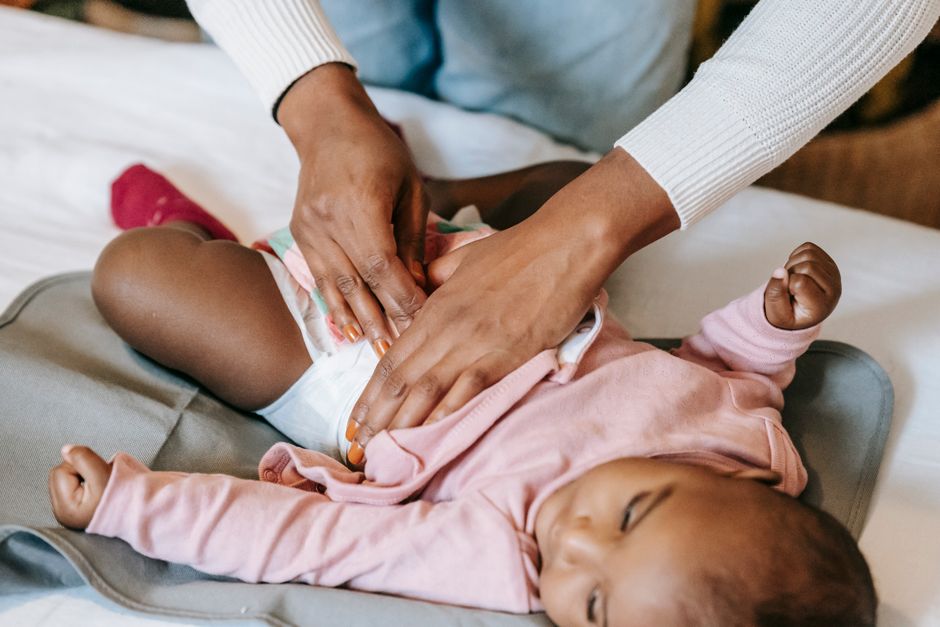
White or pale poop in a toddler usually means bile is not reaching the intestines, or the stool contains very little of it. Bile is the yellow-green fluid that gives normal poop its brown color. When a toddler’s poop looks white, chalky, pale gray, or clay-colored, it can be a sign of a liver or bile duct problem — and that is a reason to call your child’s doctor the same day.
Not every pale stool is serious. Some foods, medicines, and even certain antacids can lighten stool color for a day. But true white or clay-colored poop that keeps showing up is different from a one-time light stool, and it should never be ignored. The color itself is the clue, and it is one of the few stool changes that doctors treat as urgent.
Why Is My Toddlers Poop White Causes When To Act?
Bile is made in the liver and stored in the gallbladder. It flows through a network of ducts into the small intestine, where it helps digest fat and turns stool brown. If something blocks that flow — or if the liver is not making or releasing bile properly — stool loses its color and turns pale or white.
This is the core mechanism behind almost every serious cause of white poop. The stool is not white because of what the child ate. It is white because the pigment that should be there is missing.
The most serious cause: blocked bile ducts
In infants and young toddlers, a blocked bile duct is the concern doctors watch for most closely. A condition called biliary atresia is the best-known example. In biliary atresia, the bile ducts outside the liver become inflamed and blocked, so bile cannot drain. Bile backs up into the liver and damages it over time.
Biliary atresia is rare. It is also serious, and timing matters. Treatment is most effective when it happens early in life. This is why doctors and public health programs teach parents to treat pale or white stools in a baby as a warning sign, not a wait-and-see situation.
Other blockages can cause the same pale stool. A gallstone, a cyst on the bile duct, or narrowing of the duct can all block bile flow. These are less common in toddlers than in adults, but they do happen.
Liver inflammation and infection
Any condition that inflames or injures the liver can reduce bile flow. Viral hepatitis — including hepatitis A — can cause pale stools along with jaundice, dark urine, and fatigue. Some infections and certain medications can inflame the liver too.
When the liver is inflamed, stool may turn pale while urine turns dark. The two changes often go together, because the same pigment that should leave the body in stool is instead building up and leaving in urine.
Other causes of pale stool
Not all pale stool points to the liver. A few everyday causes can lighten stool color for a short time:
- Certain antacids and medicines. Some contain ingredients that lighten stool. This is usually temporary and stops when the medicine stops.
- Very low-fat diets. Bile is released in response to fat. A child eating almost no fat for a stretch may have paler stool.
- Some foods. Large amounts of certain pale foods can affect color, though true white stool from food alone is uncommon.
- Barium contrast. If your child had an X-ray study with barium, stool can look chalky white for a day or two afterward. This is expected and harmless.
These causes usually produce a light stool for a short time, not a persistent chalky white color. If pale stool lasts more than a day or two, or comes with other symptoms, treat it as a medical question, not a food question.
What Does Clay-Colored or Chalky Poop Actually Look Like?
Color is the whole point here, so it helps to be precise. Normal toddler stool ranges from yellow-brown to green-brown, and the shade shifts with diet. Pale stool is different in a specific way: it looks washed out, like putty, clay, or chalk.
Doctors sometimes use a stool color chart for babies. On these charts, the concerning colors are the pale ones — white, cream, light gray, and pale yellow that looks almost beige. The reassuring colors are the yellow, green, and brown shades.
Two features matter most:
- How pale it is. A stool that looks like chalk or clay is more concerning than one that is simply a lighter brown.
- How long it lasts. A single pale stool after a new food or medicine is different from pale stool that keeps appearing over several days.
If you are unsure, take a photo of the stool in good light. It gives your doctor something concrete to look at, and it helps you track whether the color is changing.
What Other Symptoms Should I Watch For?
Pale stool rarely travels alone when the cause is a liver or bile duct problem. The other symptoms come from the same underlying issue — bile pigment building up in the body instead of leaving through the gut.
Watch for:
- Jaundice. Yellowing of the skin or the whites of the eyes. In a toddler, jaundice is not normal and should be checked.
- Dark urine. Urine that looks tea-colored or brown.
- Itchy skin. Bile buildup can cause itching, and a toddler may scratch more than usual.
- Belly swelling or pain. A swollen or tender belly can signal a liver or duct problem.
- Pale, greasy, floating stool. Stool that is hard to flush or looks oily can mean fat is not being digested, which points to a bile problem.
- Poor weight gain or low energy. A child who is not growing or is unusually tired needs a medical look.
Any one of these alongside pale stool raises the concern level. Jaundice plus pale stool plus dark urine is a combination that should prompt a call right away.




When Should I Call the Doctor or Go to the ER?
Call your child’s doctor the same day if your toddler has white, chalky, or clay-colored poop that lasts more than a day or two. If pale stool comes with jaundice, dark urine, or a swollen belly, seek care right away — do not wait for a routine appointment.
Go to the emergency room if your child has:
- Yellow skin or eyes along with pale stool
- Severe or worsening belly pain
- Vomiting that will not stop
- Confusion, extreme sleepiness, or trouble waking
- Signs of dehydration, such as few wet diapers or no tears when crying
For a baby under a few months old, treat any pale or white stool as urgent. Doctors are trained to investigate these quickly, and early evaluation makes a real difference for the conditions that cause it.
How Do Doctors Figure Out the Cause?
Doctors start with the story: when the pale stool began, what else changed, what medicines or foods are new, and whether there is jaundice or dark urine. A photo of the stool helps. So does a note of how many pale stools your child has had and over how many days.
From there, testing usually moves in steps:
- Blood tests. These check liver enzymes, bilirubin, and markers of liver function.
- Urine tests. These look for bilirubin and other signs of bile backup.
- Stool tests. These check color, fat content, and signs of infection.
- Imaging. An ultrasound can show the liver, gallbladder, and bile ducts, and can reveal a blockage or a cyst.
- Specialized tests. If a duct problem is suspected, doctors may order more detailed imaging or a biopsy.
The goal is to find out whether bile flow is blocked and, if so, where. That answer decides what happens next.
What About Pale Stool That Turns Out to Be Nothing?
Many pale stools have a harmless explanation. A recent barium study, a new medicine, or a low-fat stretch can all lighten stool for a short time. When the cause is removed, color usually returns to normal within a day or two.
The tricky part is that harmless and serious causes can look similar at first. That is why doctors do not rely on appearance alone. They watch the pattern and check for the other signs — jaundice, dark urine, belly changes — that separate a passing color shift from a real problem.
Here is the practical rule. A single light stool in a child who is otherwise well and eating normally is rarely a crisis. Pale stool that repeats, deepens in color loss, or comes with any other symptom is a reason to get medical advice quickly. You are not overreacting by calling. You are doing exactly what the color is telling you to do.
Frequently Asked Questions
Is white poop in a toddler always serious?
No, but it should always be checked. A one-time pale stool after a barium study, a new medicine, or a low-fat day is often harmless, while white or clay-colored stool that repeats or comes with jaundice needs prompt medical attention.
What causes clay-colored poop in a toddler?
Clay-colored stool usually means bile is not reaching the intestines. The most serious causes are blocked bile ducts and liver problems, while short-term causes include certain medicines, low-fat diets, and barium contrast.
Should I go to the ER for white toddler poop?
Go to the ER if pale stool comes with yellow skin or eyes, dark urine, severe belly pain, or vomiting that will not stop. If your toddler has pale stool alone and is otherwise well, call the doctor the same day.
How long can pale poop last before it is a concern?
Pale stool that lasts more than a day or two should be checked by a doctor. Stool that stays white, chalky, or clay-colored, or that comes with other symptoms, needs care right away rather than waiting.
