
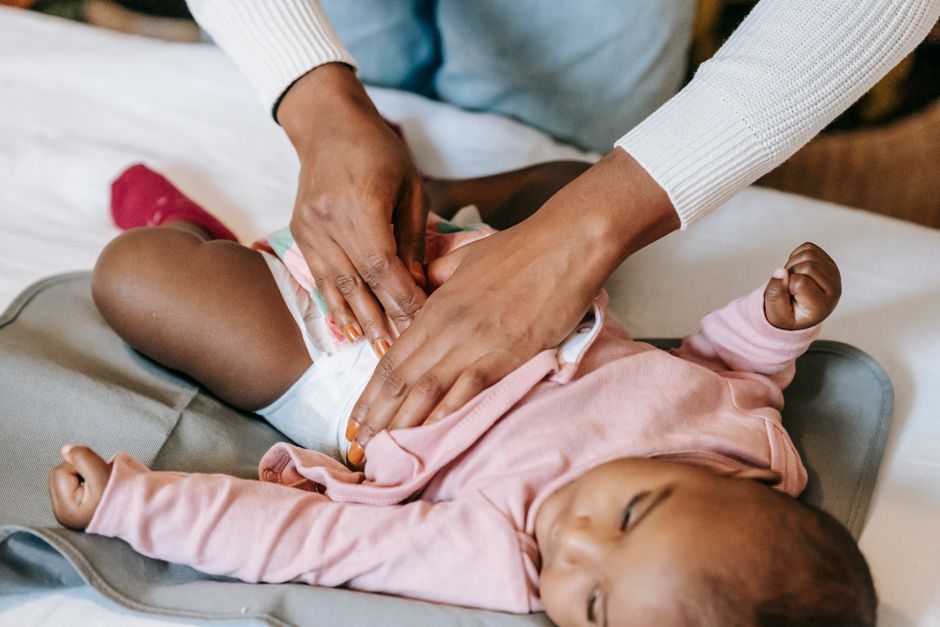
Green poop in a toddler is usually caused by something they ate, how fast food moved through their gut, or bile that didn’t finish changing color. It is rarely a sign of infection or a medical problem on its own. The color matters less than what comes with it — how your child is acting, whether there’s fever, pain, or diarrhea, and whether the poop itself looks normal apart from the green.
Poop color is one of those things parents notice immediately and worry about instantly. That instinct makes sense. But color alone is a weak signal. Doctors pay far more attention to a child’s behavior and hydration than to the shade of a diaper.
Why Is My Toddler’s Poop Green? Causes And What To Do
The most common reason is bile. Bile is a yellow-green fluid your liver makes to help digest fats, and it’s released into the small intestine with every meal. As it travels through the large intestine, bacteria break it down and change it from green to brown. That color shift is the normal ending. When it doesn’t happen — or doesn’t finish — the poop stays green.
That’s the mechanism behind most green poop. It’s not a disease process. It’s a timing issue.
Here’s the non-obvious part. Parents often assume green poop means something is wrong with digestion. Usually it means digestion happened faster than usual. The faster food moves through the gut, the less time bacteria have to convert bile to brown. So green often signals speed, not failure.
What speeds things up:
- Mild stomach bugs, even brief ones
- Teething, which increases saliva swallowing and can loosen stool
- Antibiotics, which shift gut bacteria
- Too much juice or fruit, especially in large amounts
- Food sensitivity or intolerance
- Stress or a change in routine
None of these are emergencies. Most resolve within a few days without any change in what you’re doing.
What Foods Turn Toddler Poop Green?
Food is the simplest explanation and the easiest one to test. If your toddler ate something strongly green in the last 24 to 48 hours, that’s your answer.
Foods that commonly turn stool green:
- Spinach, kale, and other dark leafy greens
- Broccoli and green beans
- Blueberries and blackberries — the pigments can read as green or dark
- Grape juice and purple or blue sports drinks
- Green food coloring in frosting, candy, or cereal
- Matcha, spirulina, or green smoothies
Iron supplements are a separate category. Iron itself is dark, but it can make stool appear green or black depending on how it’s absorbed and how much passes through. If your toddler takes an iron supplement and their poop changed color, that’s a known effect and not a reason to stop the supplement without talking to your pediatrician.
The test is simple. Remove the suspect food for two or three days and watch. If the color returns to normal, you have your answer. If it doesn’t, look at the other causes on this list.
When Does Green Poop Mean Something More Serious?
Green poop on its own is not a red flag. Green poop with other symptoms can be.
Call your pediatrician if your toddler has:
- Blood in the stool — bright red streaks or a black, tarry appearance
- Fever above 100.4°F (38°C) in a child under 3 months, or a persistent fever in an older toddler
- Signs of dehydration — fewer wet diapers, no tears when crying, dry mouth, sunken eyes, unusual sleepiness
- Vomiting that won’t stop, or vomiting green fluid
- Severe or worsening belly pain
- Diarrhea lasting more than a few days
- Pale, chalky, or white stool — this is different from green and needs prompt attention
Green vomit is worth a specific note. Vomiting green or bright yellow fluid can indicate a blockage in the bowel, and that is a medical emergency. Green poop is not the same thing as green vomit. Do not confuse the two.
Pale or clay-colored stool is also a separate concern from green stool. It can point to a liver or bile duct problem and should be evaluated quickly.


Is Green Poop a Sign of Teething or a Stomach Bug?
Both can cause it, for different reasons.
Teething increases saliva production, and toddlers swallow more of it than usual. Swallowed saliva can loosen stool and speed up transit, which leaves bile greener. Teething also often comes with mild changes in appetite and sleep, which can affect digestion.
Stomach bugs work differently. A viral infection moves contents through the intestines faster than normal. Less time in the colon means less bacterial conversion of bile, so the stool stays green. Viral diarrhea is often green or yellow-green for exactly this reason.
Neither is dangerous on its own. What matters is hydration. A toddler with a stomach bug who is drinking and urinating normally is fine to manage at home. A toddler who is refusing fluids, acting lethargic, or has not had a wet diaper in many hours needs to be seen.
Could It Be an Allergy or Intolerance?
Yes, though it’s less common than the food and speed explanations.
Cow’s milk protein allergy and lactose intolerance can both change stool color and consistency. With lactose intolerance, undigested lactose draws water into the intestine and ferments, which speeds transit and can produce green, frothy, or watery stool. Cow’s milk protein allergy can cause similar changes along with mucus, blood, or eczema.
If you suspect either, the pattern matters more than a single diaper. Look for consistency — green, loose stools that repeat after dairy, along with other symptoms like gas, bloating, fussiness after eating, or skin reactions. A pediatrician can help sort out whether this is a true allergy, an intolerance, or something unrelated.
Do not remove major food groups from a toddler’s diet on your own for long periods. Toddlers have specific nutritional needs, and dairy is a significant source of calcium, protein, and fat. Any elimination diet should be planned with a doctor or dietitian.
What Should You Do About Green Poop?
In most cases, nothing. If your toddler is eating, drinking, playing, and having normal energy, green poop is not a problem to solve.
Practical steps that help:
- Track what they ate in the last 24 to 48 hours
- Note how many wet diapers they have per day
- Watch their energy level and appetite
- Keep them hydrated, especially if there’s diarrhea
- Don’t stop prescribed supplements without asking your doctor
If the color resolves on its own within a few days, you can let it go. If it persists, or if any of the warning signs above show up, call your pediatrician. Bring a photo of the diaper if you can — it helps more than a description.
What Colors Should You Actually Worry About?
Green is not on the worry list. The colors that matter are different.
Red or black stool can indicate bleeding in the digestive tract, though black stool can also come from iron supplements or certain foods. White, pale, or clay-colored stool can signal a liver or bile duct issue. Those colors warrant a call to your doctor.
Brown is the expected color. Yellow, mustard, or green are all within the range of normal for toddlers, especially when diet or transit time is shifting.
Color is a clue, not a diagnosis. A toddler with green poop and a big smile is a very different situation from a toddler with green poop who is limp, feverish, and not drinking. Trust the whole picture, not the diaper alone.
Frequently Asked Questions
Why is my toddler’s poop green and runny?
Green, runny stool usually means food moved through the gut faster than normal, so bile didn’t have time to turn brown. Common causes include a mild stomach bug, teething, too much juice, or a food intolerance.
Can green poop mean my toddler is sick?
Green poop by itself does not mean your toddler is sick. It becomes a concern only when it comes with fever, blood in the stool, vomiting, severe pain, or signs of dehydration.
How long does green poop last in toddlers?
Most cases clear up within a few days once the trigger — a food, a mild illness, or a supplement — passes. If it lasts longer than a week without a clear reason, call your pediatrician.
Should I take my toddler to the doctor for green poop?
Not for the color alone if your child is acting normal, eating, and having regular wet diapers. See a doctor if green stool comes with blood, fever, vomiting, belly pain, or dehydration.
