
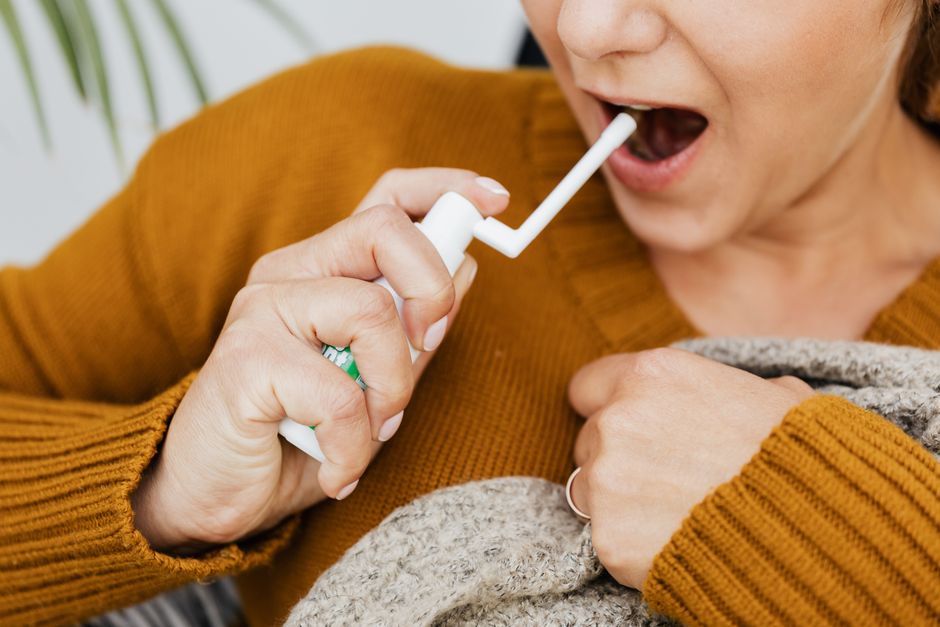
A sore throat that hurts only on one side can be unsettling. You might wonder if it is something serious or just a passing irritation. The most common causes are straightforward: a tooth abscess, a swollen lymph node, or a minor injury from food. But sometimes, a one-sided sore throat points to conditions like tonsillitis, a peritonsillar abscess, or even acid reflux that pools on one side while you sleep. Understanding these seven causes helps you know when to wait it out and when to see a doctor.
What Causes a Sore Throat on Only One Side?
A one-sided sore throat usually means the problem is local — not a full-body infection like the flu. The tissue on that side is irritated, infected, or under pressure from something nearby. Research shows that most cases are not dangerous, but a few need medical attention quickly.
The seven most common causes are:
- Tonsillitis — inflammation of one tonsil
- Peritonsillar abscess — a pocket of pus behind one tonsil
- Tooth abscess — infection spreading from a tooth root
- Swollen lymph node — the gland reacting to an infection
- GERD or acid reflux — stomach acid irritating one side of the throat
- Throat injury — from sharp food, a scratch, or a medical procedure
- Postnasal drip — mucus draining down one side from a sinus issue
Each cause has distinct signs. The table below compares them so you can match your symptoms.
How Can You Tell If It Is Tonsillitis or an Abscess?
Tonsillitis happens when a virus or bacteria infects one or both tonsils. If only one tonsil is swollen and painful, that is often the cause. The pain is usually sharp when swallowing, and you might see redness or white patches on that tonsil.
A peritonsillar abscess is more serious. It starts like tonsillitis but gets worse. The pain becomes severe, often on one side, and you may have trouble opening your mouth fully. Your voice might sound muffled, like you have a hot potato in your mouth. The CDC reports that peritonsillar abscesses are most common in young adults and require drainage by a doctor. If you cannot swallow your own saliva, that is a red flag.
The difference matters because tonsillitis often clears with rest and fluids, while an abscess needs antibiotics and sometimes a procedure to drain the pus. If you suspect an abscess, do not wait. See a healthcare provider the same day.
Can a Tooth Problem Cause a One-Sided Sore Throat?
Yes, a tooth abscess is a common hidden cause. The infection starts in the root of a tooth and spreads to the surrounding tissue. That tissue connects to the throat. You might feel pain in your jaw, ear, or throat — all on the same side as the bad tooth.
Dental infections do not always cause obvious tooth pain at first. Some people only notice throat discomfort. The American Dental Association notes that untreated tooth abscesses can spread to the neck and become dangerous. Look for other signs: tenderness when tapping the tooth, swelling in the gum, or a bad taste in your mouth.
If your sore throat came on gradually and you have any dental pain, see a dentist. Antibiotics can stop the infection, but the tooth often needs treatment too. Ignoring it can lead to more serious problems like a neck infection.





What About Swollen Lymph Nodes and Injury?
Lymph nodes are small glands that filter infection. When one on the left or right side of your neck swells, it can press against your throat and cause pain. This often happens when your body fights a minor infection like a cold or ear infection. The node itself may feel tender to the touch.
Swollen lymph nodes are usually not dangerous. They shrink as the infection clears. But if a node stays swollen for more than two weeks or feels hard and fixed in place, a doctor should check it. Rarely, it can be a sign of lymphoma or other conditions. The American Cancer Society says persistent, painless swelling in one node warrants evaluation.
Throat injury is simpler. You might have scratched your throat with a chip, a piece of toast, or even a fish bone. The scratch hurts on one side and usually heals in a day or two. No treatment is needed unless bleeding or severe pain occurs. If you recently had a medical procedure like an endoscopy, that can also cause temporary one-sided irritation.
How Does Acid Reflux Cause Pain on One Side?
Gastroesophageal reflux disease, or GERD, happens when stomach acid flows back into the throat. Most people feel it in the center of the chest or throat. But some people get one-sided pain. This usually occurs because of how you sleep. If you lie on your left side, acid may pool there during the night and irritate that side.
A study published in the Journal of Clinical Gastroenterology found that sleeping position affects acid exposure in the esophagus. People who sleep on their right side have more reflux events. But the irritation can be asymmetrical. If you wake with a sore throat only on the left side, and you sleep on your left, GERD is worth considering.
Other signs include a sour taste in the morning, hoarseness, or a feeling of a lump in the throat. Antacids or lifestyle changes like not eating before bed often help. If the pain persists, a doctor can test for GERD with a scope or pH monitoring.
Does Postnasal Drip Cause One-Sided Sore Throat?
Postnasal drip happens when mucus from your sinuses drips down the back of your throat. Normally, it affects both sides. But if you have a sinus infection or blockage on one side, the mucus may drain more heavily there. That constant drip irritates the throat tissue and causes soreness.
Allergies, colds, and sinus infections are common triggers. The pain is usually mild and feels like a tickle or scratch. You might also have nasal congestion on that side or a feeling of fluid in your ear. The American Academy of Otolaryngology says postnasal drip is one of the most common causes of chronic sore throat.
Treatment focuses on the underlying cause. Saline rinses, antihistamines, or decongestants can reduce mucus. If the drip is from allergies, avoiding triggers helps. Most cases resolve on their own within a week.
What Are the Warning Signs to See a Doctor?
Most one-sided sore throats are not emergencies. But some signs mean you need medical care quickly. If you have any of the following, do not wait:
- Severe pain that prevents swallowing or opening your mouth
- Fever over 101°F
- Difficulty breathing or noisy breathing
- Muffled voice or drooling
- Swelling in the neck that is hard or growing
- Pain lasting more than a week without improvement
These symptoms can indicate a peritonsillar abscess, a deep neck infection, or a serious dental abscess. The National Institutes of Health recommends prompt evaluation for anyone with trouble breathing or swallowing. In rare cases, infections can spread to the chest or bloodstream.
If your only symptom is mild pain on one side and you feel otherwise fine, home care is reasonable. Drink warm liquids, use honey, and rest. But if the pain worsens or new symptoms appear, see a doctor. Trust your gut — you know your body better than anyone.
Common Misconceptions About One-Sided Sore Throat
A common myth is that a one-sided sore throat always means strep throat. That is not true. Strep throat usually affects both sides equally and comes with fever and swollen lymph nodes. A one-sided sore throat is more often from a local issue like a tooth or tonsil problem.
Another misconception is that cancer is a likely cause. While throat cancer can cause one-sided pain, it is rare. The American Cancer Society says most throat cancers occur in people over 50 with a history of smoking or heavy drinking. If you are younger and otherwise healthy, cancer is extremely unlikely. Do not jump to that conclusion.
Some people think gargling with salt water cures everything. It helps soothe irritation but does not treat infections like abscesses or tooth problems. Use it for comfort, not as a substitute for medical care when needed.
Frequently Asked Questions
Can allergies cause a sore throat on one side?
Yes, allergies can cause postnasal drip that irritates one side of the throat more than the other. This is usually mild and comes with sneezing or itchy eyes.
How long does a one-sided sore throat last?
Most cases from minor causes like injury or postnasal drip clear in 2 to 3 days. Infections may last 5 to 7 days. See a doctor if it lasts over a week.
Is a one-sided sore throat a sign of COVID-19?
COVID-19 typically causes a sore throat on both sides. A one-sided sore throat is not a common symptom of COVID-19, but it is possible if you have swollen lymph nodes.
Should I take antibiotics for a one-sided sore throat?
Only if a doctor confirms a bacterial infection like strep or an abscess. Most one-sided sore throats are viral or from non-infectious causes and do not need antibiotics.
