
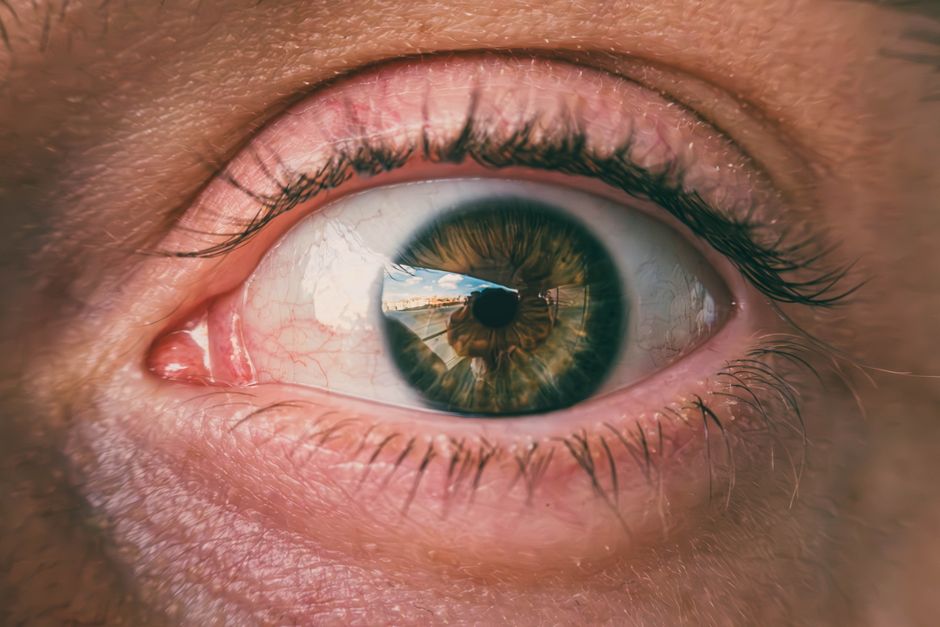
A stye that keeps growing is frustrating and often painful. The short answer is that a stye gets bigger when the bacterial infection inside the eyelid gland is not clearing, and the body’s inflammatory response is intensifying. This usually happens because the blockage in the oil gland has worsened, or because the infection is spreading to nearby tissue. Understanding why this happens and what to do about it can help you manage the problem before it becomes more serious.
What Exactly Is a Stye and Why Does It Form?
A stye, known medically as a hordeolum, is an infection of the oil-producing glands in the eyelid. These glands sit at the base of your eyelashes or deeper within the eyelid tissue. When one of these glands becomes blocked, bacteria — most commonly Staphylococcus aureus — can multiply inside it.
Your immune system responds by sending white blood cells to the area. This creates the classic symptoms: redness, swelling, tenderness, and a small pus-filled bump. The bump is essentially a small abscess. Your body is trying to contain the bacteria and prevent it from spreading.
A stye is different from a chalazion. A chalazion is a blocked oil gland that is not infected. It forms a firm, painless lump. A stye is painful, red, and filled with pus. Knowing the difference matters because the treatment approaches are not identical.
Why Is My Stye Getting Bigger? The Main Causes
If your stye is enlarging instead of shrinking, several specific things may be happening. The most common reason is that the infection is progressing faster than your immune system can control it. The pus pocket is expanding as more white blood cells and dead bacteria accumulate.
Another common cause is continued blockage. If the opening of the gland remains sealed, the pressure inside builds. This forces the infection to expand into the surrounding eyelid tissue. The result is a larger, more painful lump.
Repeated touching or rubbing of the eye can also make a stye worse. Your hands carry bacteria. Rubbing the eye can push bacteria deeper into the gland or introduce new bacteria to the area. It also increases local inflammation, which can make the swelling appear more pronounced.
In some cases, a stye grows because the infection has spread to the tissues around the gland. This condition is called preseptal cellulitis. It is more serious than a simple stye and requires medical attention. Signs include swelling of the entire eyelid, warmth, redness spreading beyond the bump, and sometimes fever.
Home Care That Can Help a Stye Resolve
Most styes clear on their own within a week or two. The most effective home treatment is a warm compress. Applying a clean cloth soaked in warm water to the closed eyelid for 10 to 15 minutes, three to four times a day, can help.
The heat serves two purposes. It helps soften the hardened oil blocking the gland, and it encourages the pus to come to a head and drain naturally. Once the stye drains, the pain and swelling typically improve quickly.
You can also gently clean the eyelid with diluted baby shampoo or an over-the-counter eyelid scrub. This removes crusting and helps keep the area clean. Avoid squeezing or popping the stye. Popping it can push the infection deeper and cause complications.
Over-the-counter pain relievers like ibuprofen or acetaminophen can help with discomfort. They do not treat the infection itself, but they can make the waiting period more tolerable.




When a Stye Requires Medical Treatment
You should see a doctor if the stye does not improve after 48 hours of home care, or if it continues to enlarge. You should also seek medical attention if the redness and swelling spread to your entire eyelid or cheek, if you develop a fever, or if your vision changes.
A doctor may prescribe antibiotic ointment or drops. These are applied directly to the eyelid and are effective against the bacteria that cause styes. For more stubborn infections, an oral antibiotic may be necessary.
In some cases, a doctor may need to drain the stye. This is a minor office procedure. The doctor numbs the area and makes a small incision to release the pus. This is generally reserved for styes that do not respond to other treatments or are causing significant pain.
If you wear contact lenses, stop wearing them until the stye has completely healed. Contact lenses can irritate the stye and may become contaminated with bacteria. Use your glasses until your eye returns to normal.
Why Is My Stye Getting Bigger Causes And Care: When It Is Not a Stye
Not every bump on the eyelid is a stye. A chalazion, as mentioned earlier, is a non-infectious blocked gland. It can grow slowly over weeks and may become larger than a typical stye. It is usually not painful unless it becomes inflamed.
Other eyelid lesions can mimic a stye. These include sebaceous gland cysts, basal cell carcinoma, and other rare tumors. These are uncommon, but they exist. If a bump persists for more than a few weeks, does not change with treatment, or bleeds easily, it should be evaluated by a doctor.
Recurrent styes in the same location may also indicate an underlying condition. Blepharitis, a chronic inflammation of the eyelid margins, predisposes people to styes. Skin conditions like rosacea and seborrheic dermatitis are also associated with recurrent styes.
How to Prevent Future Styes
Good eyelid hygiene is the most effective prevention strategy. Wash your hands thoroughly before touching your face or eyes. Avoid rubbing your eyes throughout the day.
If you wear eye makeup, replace it regularly. Mascara and eyeliner can harbor bacteria over time. Never share eye makeup with others. Remove all eye makeup completely before going to bed.
If you have blepharitis or are prone to styes, daily eyelid cleansing may help. Using a warm compress and a gentle eyelid scrub can keep the oil glands from becoming blocked. Some eye care professionals recommend this as a daily routine for people with recurrent styes.
Replace your contact lens solution and case according to the manufacturer’s instructions. Proper lens hygiene reduces the risk of introducing bacteria to your eye.
Frequently Asked Questions
Can a stye get bigger before it gets better?
Yes, a stye can enlarge for a few days as the pus pocket forms before it drains and begins to heal. If it continues growing beyond 48 hours of home care, seek medical advice.
Is it safe to pop a stye like a pimple?
No. Squeezing a stye can push bacteria deeper into the eyelid tissue and cause a more serious infection. Let it drain on its own or have a doctor drain it.
How long does it take for a stye to go away?
Most styes resolve within 7 to 10 days with warm compresses and good hygiene. If it lasts longer than two weeks or worsens, see a doctor.
Can stress cause a stye to get bigger?
Stress does not directly cause a stye, but it can weaken the immune system and slow healing. Poor sleep and stress may also lead to more eye rubbing, which can worsen the infection.
