
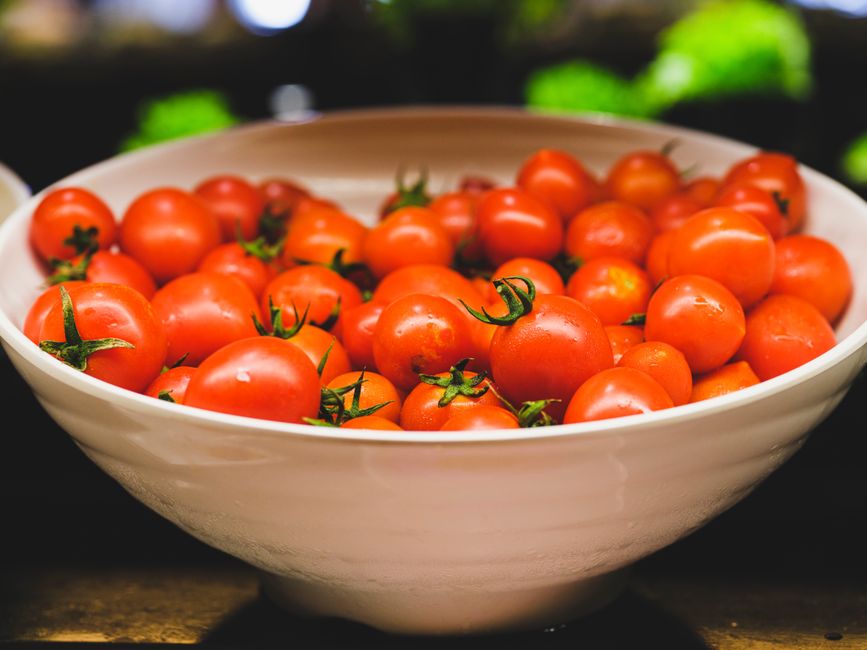
Cherry tomatoes can cause diarrhea in some people. The reasons include their natural acidity, fiber content, and specific sugars that some digestive systems struggle to absorb. While most people enjoy them without problems, certain individuals may experience loose stools after eating cherry tomatoes, especially in large amounts.
Can Cherry Tomatoes Cause Diarrhea?
Yes, for some people. The effect is not universal, but it is a recognized reaction. Diarrhea after eating cherry tomatoes typically results from one of several root causes acting alone or together. Understanding these causes helps you decide whether cherry tomatoes are a problem for your digestion.
What Are the Root Causes of Diarrhea From Cherry Tomatoes?
Three main factors explain why cherry tomatoes may trigger diarrhea: their acid content, their fiber structure, and certain fermentable carbohydrates. Each affects the digestive system in a different way.
Acidity. Cherry tomatoes contain citric acid and malic acid. For people with a sensitive stomach or conditions like irritable bowel syndrome (IBS), high acid loads can speed up gut transit time. This means food moves through the intestines too quickly, leaving less time for water absorption. The result is loose, watery stool.
Fiber. One cup of cherry tomatoes provides about 1 to 2 grams of fiber. The skin contains mostly insoluble fiber. Insoluble fiber adds bulk but can also irritate the colon lining in people prone to diarrhea. If your diet is low in fiber and you suddenly eat a large serving of cherry tomatoes, the sudden increase can cause loose stools.
Fermentable carbohydrates. Cherry tomatoes contain fructose and small amounts of sorbitol, a sugar alcohol. Some people have fructose malabsorption or sensitivity to polyols. When these sugars are not fully absorbed in the small intestine, they travel to the colon where bacteria ferment them. This can cause gas, bloating, and diarrhea.
How Many Cherry Tomatoes Can Cause a Problem?
The amount differs by person. People with IBS, fructose malabsorption, or a sensitive gut may react to as few as 5 to 10 cherry tomatoes. Others can eat a full bowl with no issues. There is no official safe limit because tolerance varies widely. If you suspect cherry tomatoes cause your diarrhea, start with a small portion — half a cup — and monitor your symptoms.





Could It Be a Tomato Allergy or Intolerance?
A true tomato allergy is rare but possible. Symptoms can include hives, itching, swelling, and digestive distress like diarrhea. More commonly, people experience oral allergy syndrome, where the immune system reacts to proteins in tomatoes that resemble those in grass pollen. This usually causes tingling or swelling in the mouth, but some people also report stomach upset or diarrhea after a large amount.
Food intolerance to tomatoes is more common than allergy. It involves the digestive system struggling to process the tomato’s components, rather than an immune reaction. Intolerance can cause diarrhea, bloating, and nausea without other allergic symptoms.
Does the Skin or Seeds of Cherry Tomatoes Matter?
The skin matters more than the seeds. Tomato skins are rich in insoluble fiber. For individuals with a sensitive colon, this type of fiber acts as a mechanical irritant, stimulating the bowel and potentially causing diarrhea. The seeds themselves are small and usually pass through without trouble. Peeling cherry tomatoes, though tedious, may reduce their diarrhea-inducing effect in sensitive people.
Can Acid Reflux or Stomach Irritation Lead to Diarrhea?
Yes, indirectly. Cherry tomatoes are acidic, and for people with acid reflux or gastritis, the acid can irritate the stomach lining. This irritation sometimes triggers a reflex speeding up the entire digestive tract, including the colon. The result can be diarrhea, even if the colon itself is not directly irritated. This is not the most common cause of tomato-related diarrhea, but it occurs.
Are Cherry Tomatoes a High-FODMAP Food?
According to Monash University, the leading authority on FODMAPs, cherry tomatoes are considered low FODMAP in typical serving sizes. A standard serving of about 5 cherry tomatoes (roughly 75 grams) is low in fermentable carbohydrates. However, a larger serving of 20 or more cherry tomatoes may contain enough fructose and sorbitol to trigger symptoms in people with IBS or FODMAP sensitivity. The root cause here is not the tomato itself but the cumulative amount of certain sugars.
How to Tell If Cherry Tomatoes Are the Cause of Your Diarrhea
The most reliable method is a food diary and elimination test. Write down everything you eat for a week, including portion sizes of cherry tomatoes. Note the timing of any diarrhea. Then remove cherry tomatoes entirely for 10 days. If your diarrhea stops or clearly improves, add them back in a small serving. If diarrhea returns within a few hours, cherry tomatoes are likely a trigger for you.
Keep in mind that other foods you eat with cherry tomatoes — such as olive oil, cheese, or acidic salad dressings — could also contribute. Try eating cherry tomatoes alone on a day with otherwise bland food to isolate the effect.
When to See a Doctor
Occasional diarrhea after eating cherry tomatoes is not usually a health concern. But see a doctor if you experience any of the following: diarrhea that lasts more than two days, signs of dehydration, severe abdominal pain, blood in stool, or unintended weight loss. These symptoms could indicate a more serious digestive disorder such as inflammatory bowel disease, celiac disease, or a chronic infection.
Can Cooking Cherry Tomatoes Prevent Diarrhea?
Possibly in some cases. Cooking breaks down some of the fiber and reduces acidity. Roasting or stewing cherry tomatoes can make them easier to digest. However, cooking does not remove fructose or sorbitol. If your sensitivity is to these sugars, cooked cherry tomatoes may still cause diarrhea. The evidence here is anecdotal — no studies have directly compared raw vs. cooked tomato effects on diarrhea. Individual response varies.
Frequently Asked Questions
Is it normal to get diarrhea after eating cherry tomatoes?
For some people yes, especially if you eat a large amount or have a sensitive digestive system. It is not normal for everyone, but it is common enough that dietitians recognize it as a possible trigger.
Can cherry tomatoes cause diarrhea in babies or toddlers?
Yes, their digestive systems are still developing. The acidity and fiber can irritate young bowels. Introduce cherry tomatoes slowly and in small pieces to see how your child reacts.
Are grape tomatoes less likely to cause diarrhea than cherry tomatoes?
Grape tomatoes have slightly thicker skin and are often less juicy, but their fiber and sugar content is nearly identical. There is no evidence that grape tomatoes cause less diarrhea.
How long after eating cherry tomatoes can diarrhea start?
Diarrhea from a food trigger usually begins within 1 to 4 hours. However, if the cause is a delayed intolerance or an allergic reaction, symptoms may appear up to 12 hours later. Keep a food diary to track your personal timing.
